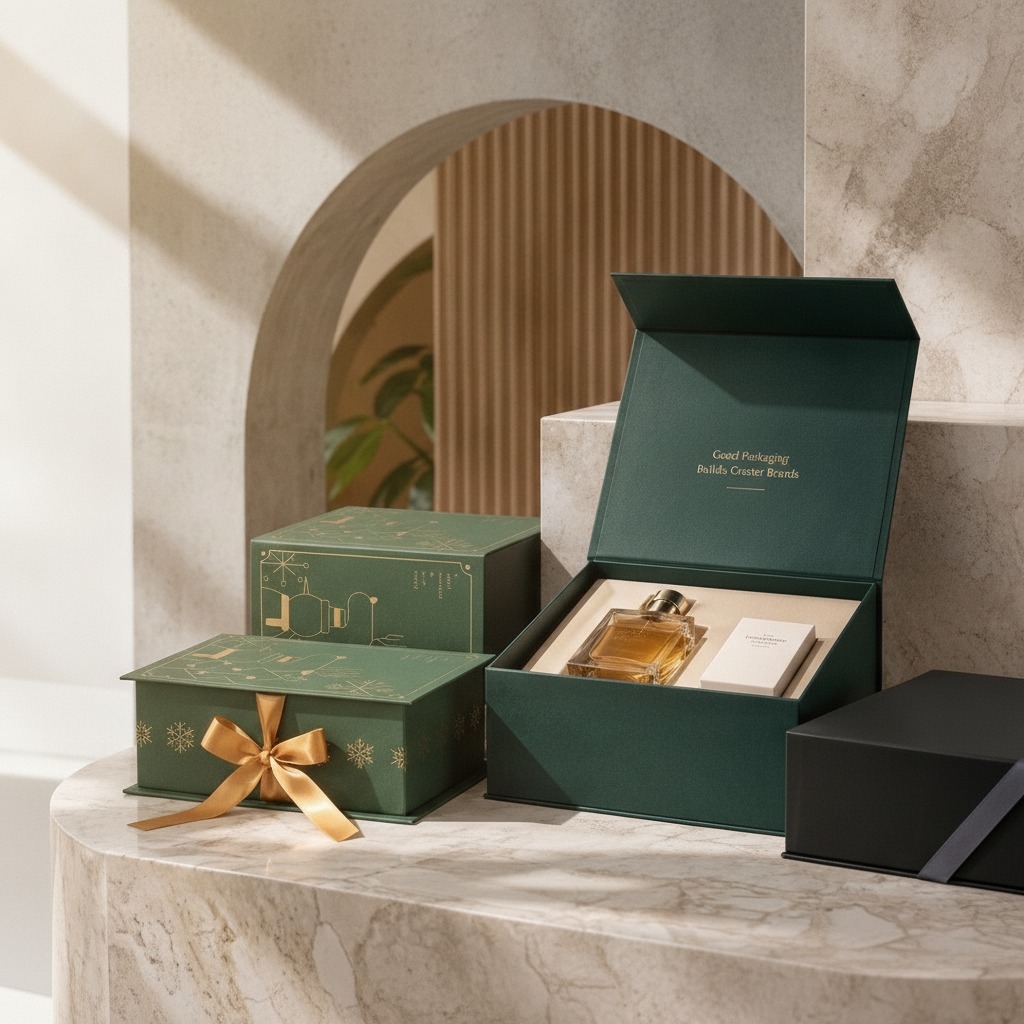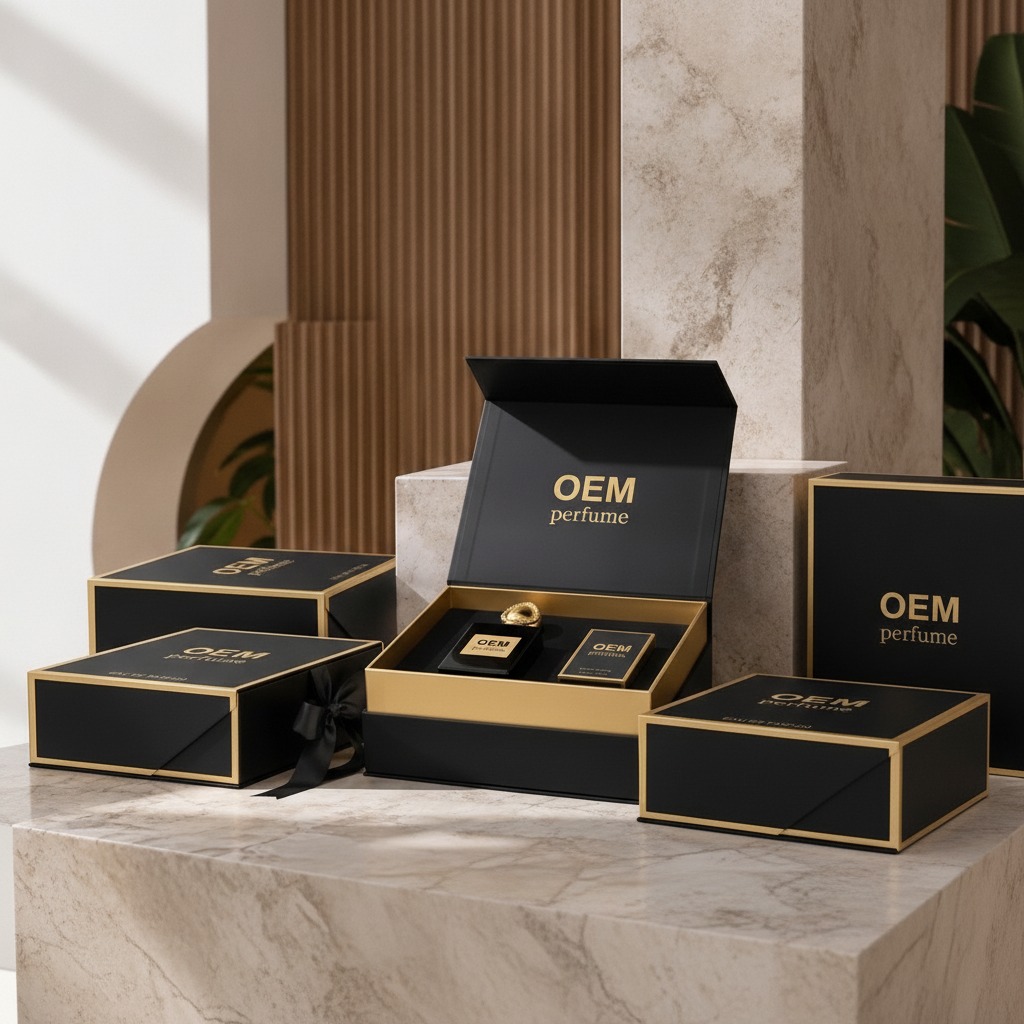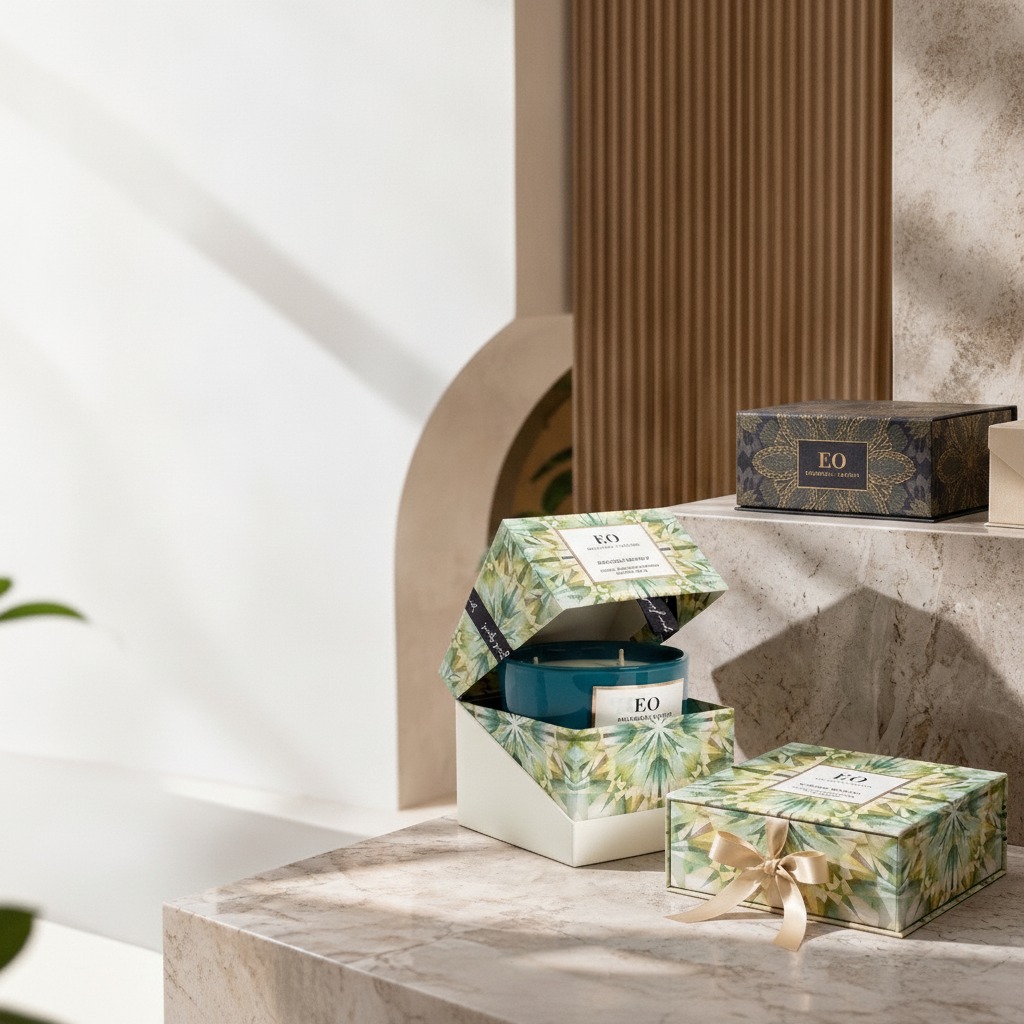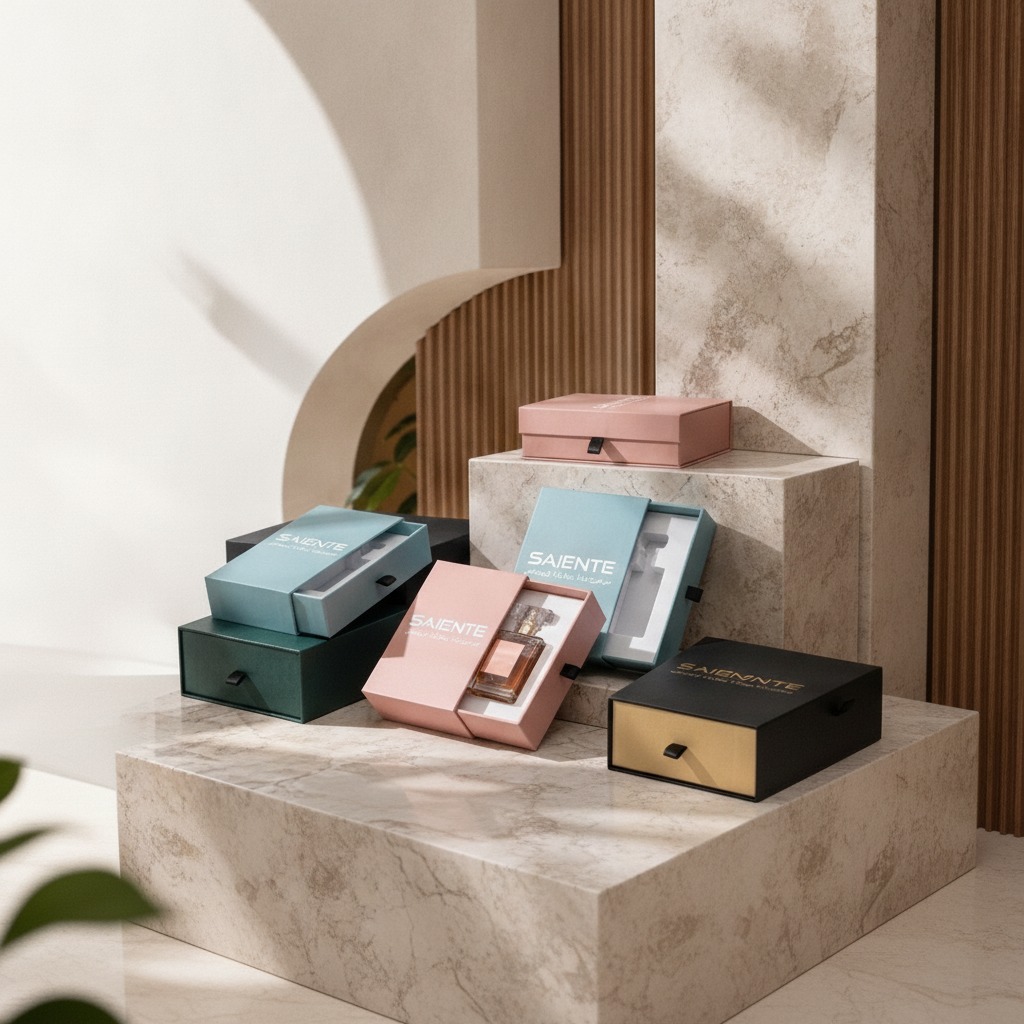
When a consumer lifts a luxury fragrance from a shelf, the sensory appraisal begins long before the atomizer releases its first mist. The tactile weight, the muted hiss of air escaping a snug telescoping lid, and the flawless gleam of metallic paper wrapping all define the primary threshold of brand value. Sourcing an exceptional perfume box requires balancing this visual theater with cold structural realities. Glass flacons are heavy, fragile, and dimensionally unforgiving. For packaging engineers and procurement directors, specifying secondary packaging is an exercise in managing rigid board density, wrapping tension, and internal fitment tolerances to protect fragile contents while delivering an unforgettable presentation on retail counters.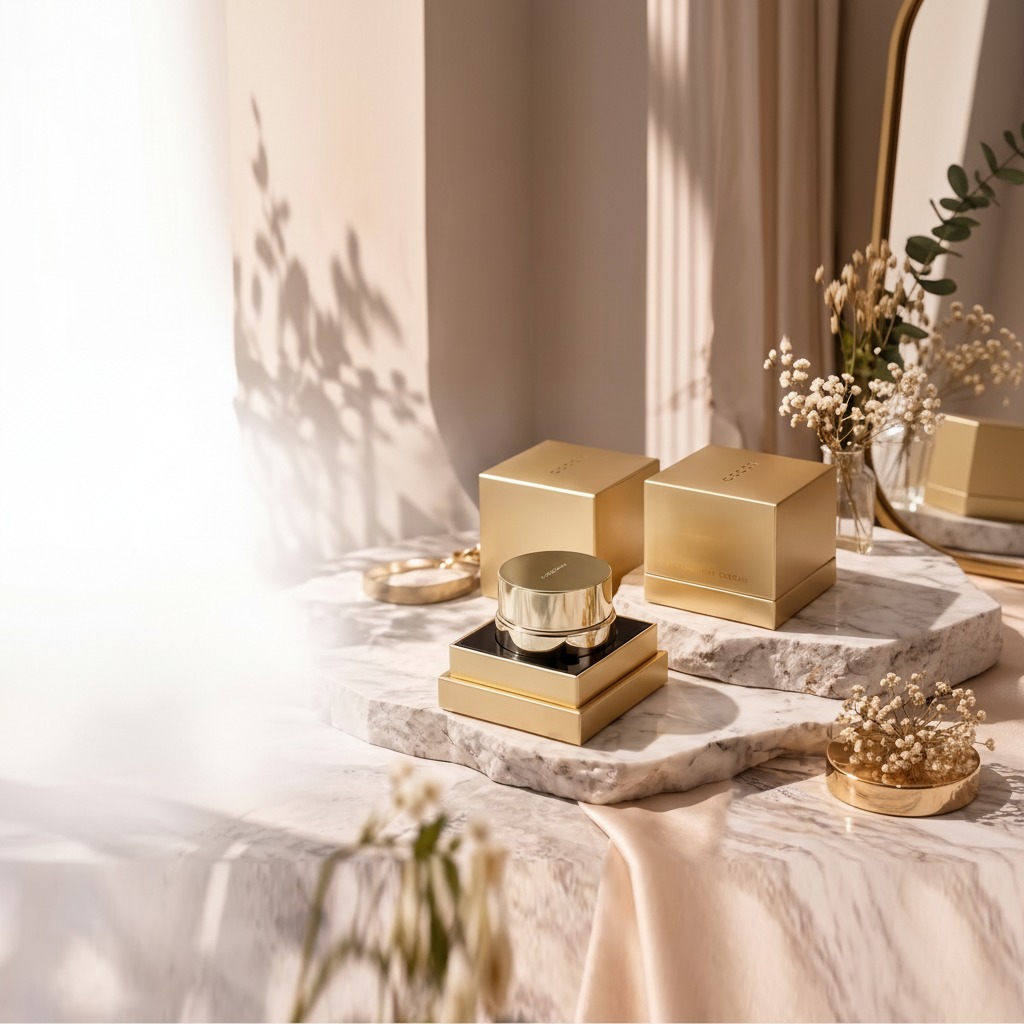
The Architecture of a Rigid Setup Box
Unlike folding cartons delivered flat, a premium perfume packaging box relies on rigid setup-box construction. At its core lies heavy-caliper greyboard—typically ranging between 1000 and 1800 gsm depending on bottle volume and glass mass. This unyielding frame is grooved and scored to form crisp, vertical 90-degree corners that prevent structural flex under pallet stacking pressure.
The exterior skin transforms raw industrial board into a tactile showcase. High-end variants frequently leverage uniform metallized paper or specialty foil-laminated sheets. When gold, copper, or platinum finishes are applied across the entire surface, the paper must exhibit clean fold-memory without micro-cracking at the edges. Brand emblems and technical typography are brought to life through precise hot foil stamping or blind debossing. A shallow deboss pressed cleanly into thick wrapped paper conveys quiet permanence, catching overhead boutique lighting with deliberate restraint.
Geometry, Lids, and Closure Mechanics
The physical geometry dictates the opening ritual. Depending on brand positioning, structural options generally fall into three distinct setups:
Two-Piece Telescoping Boxes
A separate base and lid represent the traditional configuration for a luxury perfume box. The clearance between the inner base tray and outer cover must be machined to fractions of a millimeter. Too loose, and the base slips prematurely under the weight of the glass; too tight, and the vacuum effect frustrates the buyer trying to lift the lid.
Shoulder and Neck Construction
In this format, an internal collar sits anchored within the base, protruding upward so the lid sits completely flush against the bottom half when closed. Leaving the exposed neck in a contrasting matte black or reflective foil band creates an architectural reveal line that elevates the visual presentation.
Hinged Magnetic Gift Presentations
Frequently selected for an elaborate perfume gift box housing a main fragrance alongside travel atomizers or body creams, a book-style hinged lid employs hidden neodymium magnets embedded directly within the board matrix before paper wrapping. The audible click upon closing provides reassurance that the contents are securely locked inside.
Fitment Engineering: Securing the Flacon
The exterior shell commands attention, but the internal insert does the heavy lifting. A loose bottle will fracture during transit or scuff its decorative silk-screened glass against the box interior. Sourcing teams typically navigate three primary insert mediums:
High-density ethylene-vinyl acetate (EVA) foam remains the luxury benchmark. Precision die-cut or routered to the exact perimeter of the glass flacon, EVA absorbs multi-axis drops without collapsing. Covering the foam with a top layer of electrostatically flocked velvet or micro-suede adds visual depth, absorbing light around the perimeter of the bottle to make colored glass and metallic caps stand out dramatically.
Thermoformed plastic trays lined with flocking offer an economical alternative for high-volume runs, though they lack the substantial, solid feel of dense foam. Meanwhile, customized molded dry-fiber pulp has emerged as a serious contender for sustainability-driven brands, providing precise contouring when molded under heat and high pressure, though achieving velvet-smooth tactile finishes requires specialized tooling.
Sourcing Realities: From RFQ to Production Runs
Navigating the transition from digital rendering to mass manufacturing requires disciplined vendor communication. When negotiating perfume box wholesale terms with overseas or domestic converters, experienced buyers know that surface-level claims must be corroborated with verifiable specifications.
Begin the request for quotation (RFQ) with exact primary container dimensions, including cap diameter, pump collar tolerances, and total filled weight. Never approve a custom perfume box purely from digital 3D renders; physical white-body samples are mandatory to evaluate structural geometry, followed by fully finished wet proofs to assess foil registration, glue lines, and corner wrapping.
Be mindful of commercial claims that appear casually on marketing literature. Claims regarding FSC-certified core boards or responsibly harvested papers should be accompanied by valid chain-of-custody documentation rather than accepted at face value. Similarly, evaluating how seasoned perfume box manufacturers handle glue selection is critical—poorly calibrated water-based adhesives can cause bubbling beneath metallized paper or lead to warped lids when exposed to fluctuating warehouse humidity.
Common Procurement Pitfalls to Avoid
Even seasoned sourcing teams occasionally run into production snags when dealing with rigid presentation boxes:
Insist on cross-hatch tape testing across all hot-stamped surfaces to confirm foil adhesion before shipment.
Ensure outer shipping cartons are reinforced with heavy double-wall corrugated boards and internal corner posts, as rigid boxes do not absorb compression shocks as forgivingly as collapsible cartons.
Account for humidity equilibration if paperboard and foil materials are sourced across diverse climate zones, which prevents unsightly edge warping during cross-continental transit.
Frequently Asked Questions
What information is needed to begin an RFQ for a custom perfume box?
Provide the physical dimensions and weight of the filled bottle, desired box construction style, target board thickness, finishing techniques (such as foil stamping or embossing), insert material preference, and expected order quantities.
How do procurement teams verify paper and board sustainability claims?
Request the manufacturer's active Forest Stewardship Council (FSC) chain-of-custody certificate number and confirm that the scope includes both the greyboard base and the specialty decorative facing paper specified for your project.
What insert material offers the best protection for heavy glass perfume bottles?
High-density EVA foam topped with flocked velvet provides the highest resistance to drop impact and transit abrasion, securing tight dimensional tolerances around complex glass molds.
Next Steps for Packaging Sourcing
Before committing to tooling and bulk production runs, finalize your primary packaging dimensions down to the millimeter and assemble a comprehensive technical pack covering board density, wrapping stock, and foil specifications. Requesting unprinted structural mockups early in the development cycle allows your engineering team to verify insert clearances and drop performance before production tooling is locked.