Why perfume box packaging does more than hold a bottle
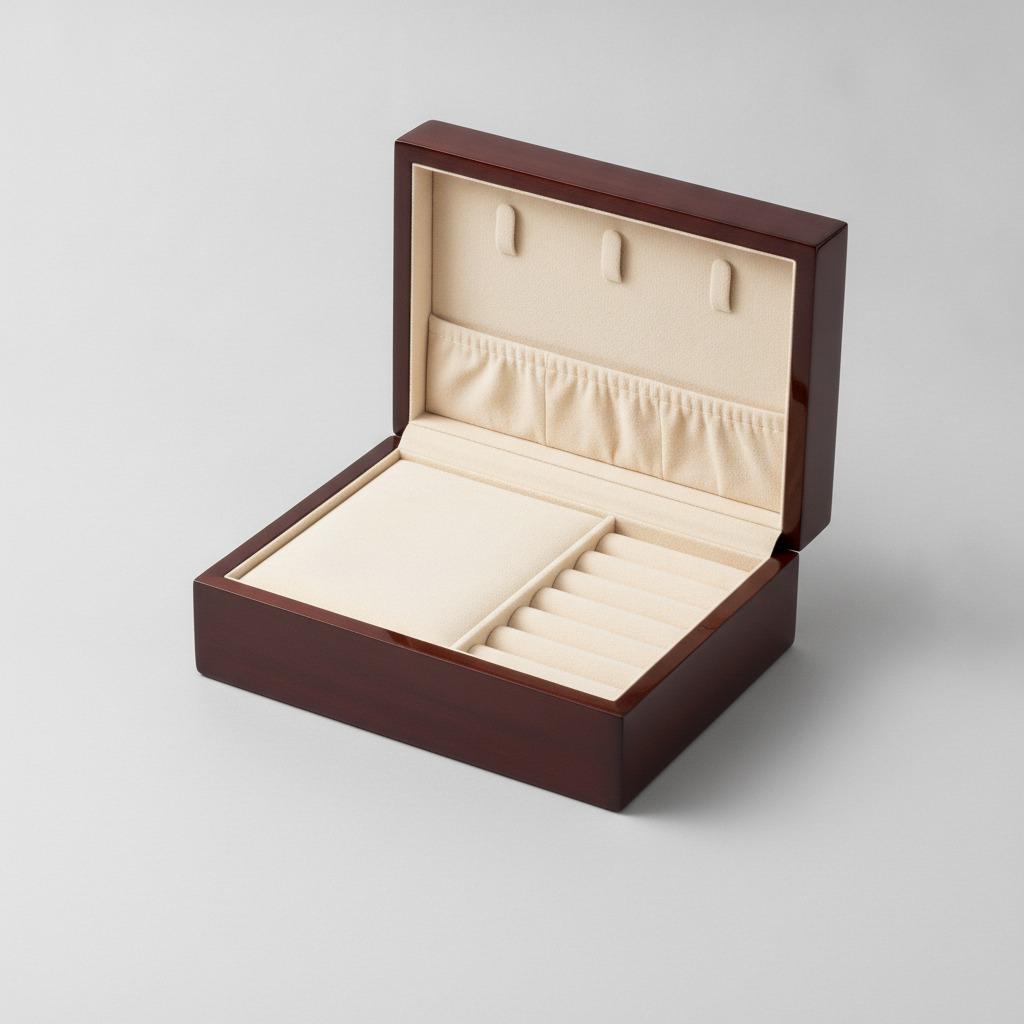
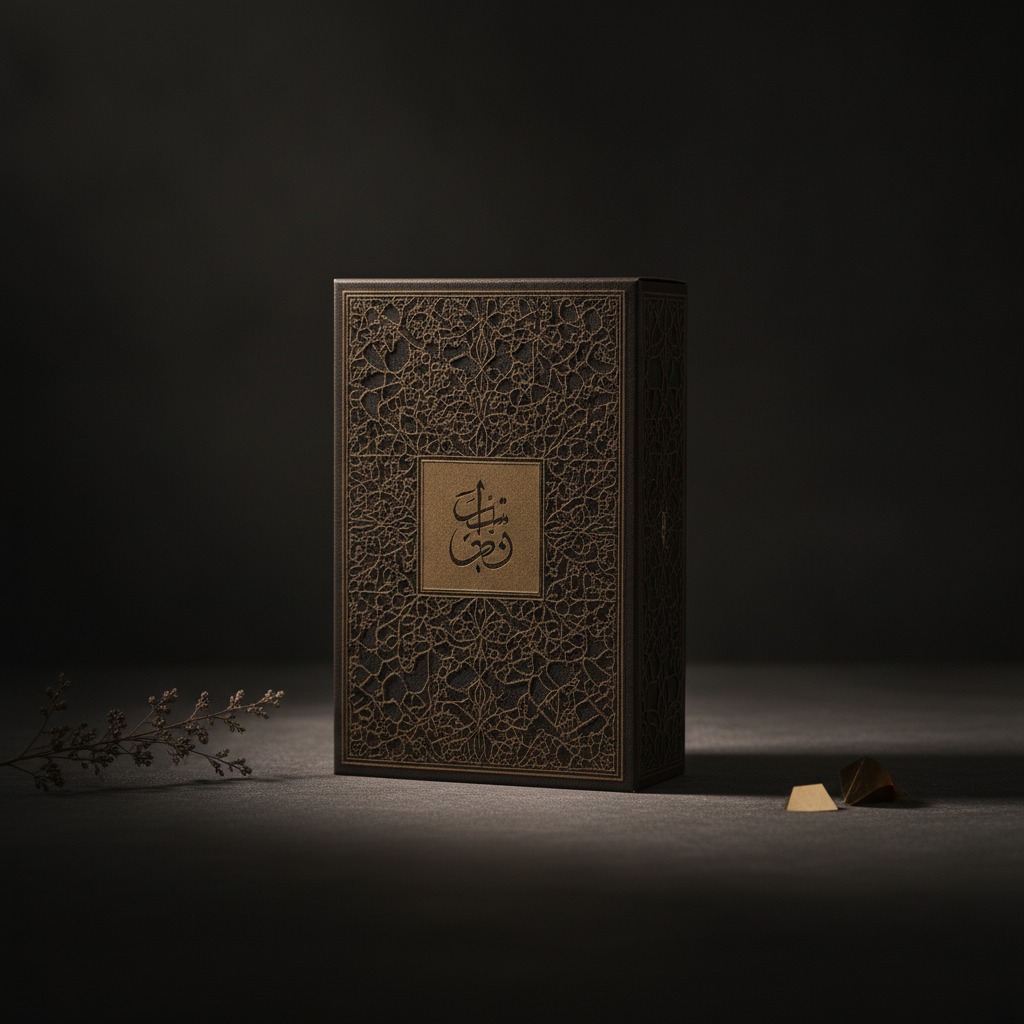
Perfume box packaging is not just a shell around glass and liquid. In fragrance, the box often does half the selling before the cap ever comes off. That matters because perfume is a tactile product: people buy it with the eyes first, then the hands, and only after that with the nose. A rigid, well-printed presentation box can signal premium intent immediately, while a thin carton can make even a good eau de parfum feel forgettable on shelf.
For sourcing managers and product teams, the real question is not whether packaging looks nice. It is whether the structure, print, insert, and finish support the brand story without creating avoidable cost or handling problems. A perfume gift box has to protect a glass bottle, survive distribution, and still feel like something worth opening slowly. That balance is where the packaging decision gets interesting.
What this style of fragrance packaging is trying to communicate
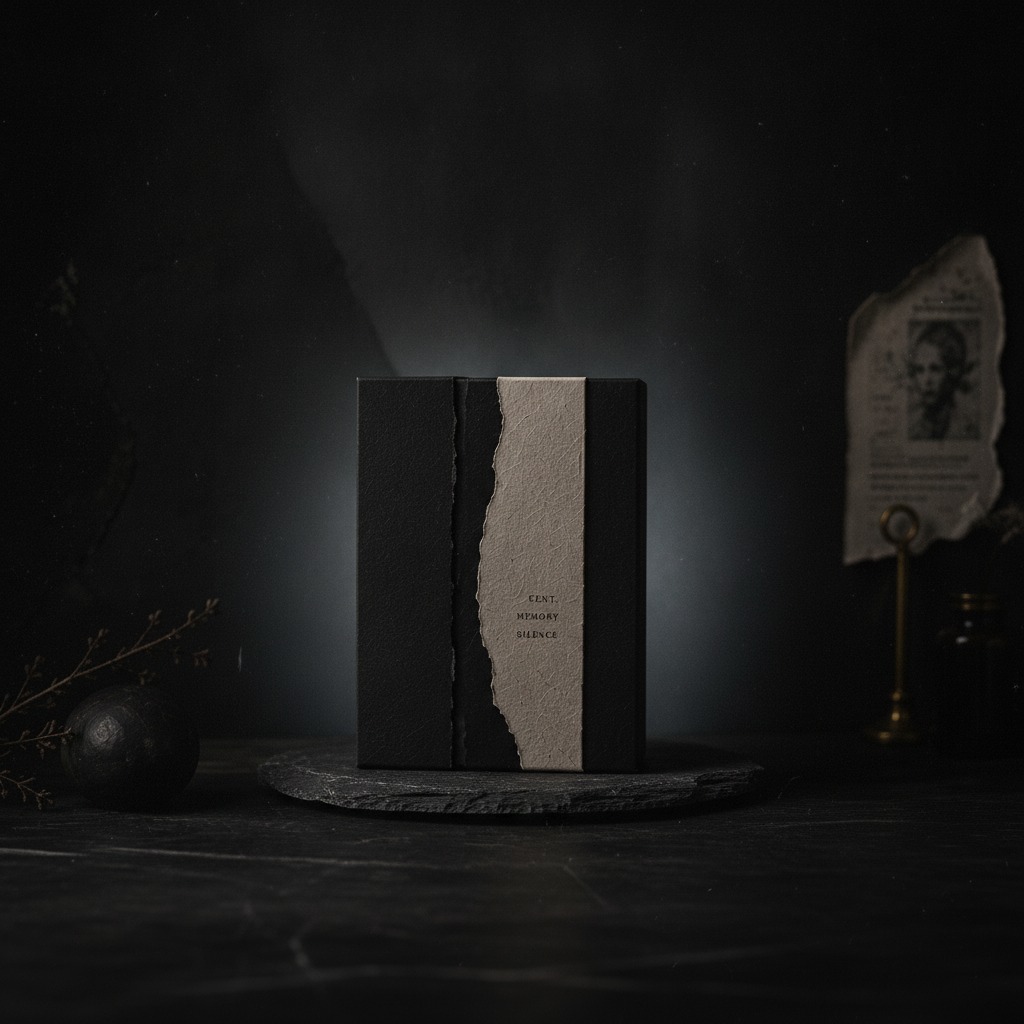
The product details here point to a niche fragrance positioned around restraint and story. The visible language includes “Small batch,” “Mindful materials,” “No logos,” and “No rules. Just scent and story.” That is a very different message from mass-market fragrance, where shine and spectacle often do most of the work. Here, the black rigid box, the monochrome portrait imagery, and the torn-paper style graphics create a quieter, more editorial look.
The bottle itself is also doing part of the job. A clear cylindrical glass spray bottle with a matte black cap is a familiar form, but in this context it reads as deliberate and modern rather than generic. The pale amber tone of the liquid adds warmth against the black presentation case. For buyers, that tells you the package is not built only for protection; it is built for retail theater, gifting, and display.
Key packaging elements that shape buyer perception
Rigid box construction
A black rigid box or book-style case gives the fragrance a heavier, more substantial first impression than a folding carton would. That extra density is part of the premium signal. It also helps with corner strength and shelf presence, which matters if the product will be stacked, shipped, or repeatedly handled in boutique settings.
Inner molded insert
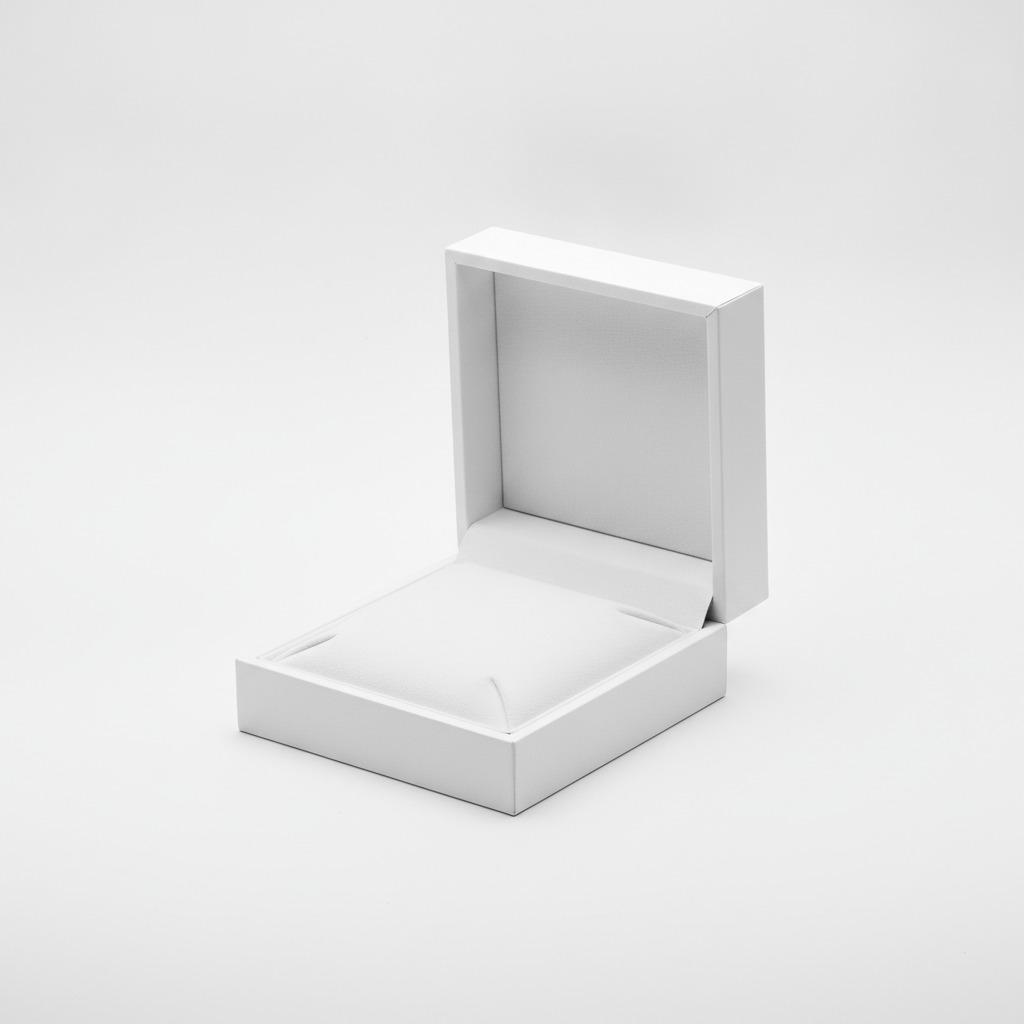
The recessed insert that holds the bottle upright is not a minor detail. It controls movement, prevents glass-on-board abrasion, and keeps the bottle centered when the box is opened. For a cylindrical bottle, the cavity needs to feel snug without making removal awkward. Too loose, and the product rattles. Too tight, and the unboxing becomes clumsy.
Print and graphic finish
This is where perfume packaging often earns its keep. The monochrome artwork, typography, and minimal branding cues create a gallery-like effect. That can work especially well for a custom perfume box or limited-run product, because the graphics do not have to shout to be remembered. Still, one practical caution: elaborate print treatments can lift perceived value, but they also raise the chance of inconsistency if the color, registration, or paper texture is not tightly controlled.
What buyers should compare before approving a perfume box packaging concept
If you are evaluating perfume packaging for a niche fragrance, start with the role the box is meant to play. Some projects need a simple retail carton. Others need a luxury perfume box that also serves as a gift item and collectible object. The difference affects everything from board grade to insert style to how the closure feels in hand.
Useful comparison points include protection, shelf impact, opening experience, and decoration range. A perfume gift box should protect the bottle during transport, but it should also support the brand’s price point. If the box looks expensive yet feels fragile, customers notice that mismatch quickly. If it feels sturdy but visually flat, the product may never justify itself in premium retail.
Common mistakes in fragrance packaging programs
One common mistake is designing for the photo shoot instead of the shipping lane. A custom perfume box may look perfect on a studio table, then fail once pallets, cartons, and retail handling enter the picture. Another is overcomplicating the insert. The bottle should sit securely, but the first open should not feel like a puzzle.
Brands also sometimes overuse graphics when the fragrance brief calls for calm and simplicity. In this category, a little restraint goes a long way. The visible phrase “No logos” is a clue: some buyers want packaging that feels editorial and collected, not branded from across the room.
Practical advice for sourcing and development teams
When reviewing a perfume box packaging supplier, ask how they handle rigid box converting, graphic printing, and insert die-cutting as a system rather than as separate steps. Fragrance packaging is sensitive to alignment. A slight shift between the outer case and the insert can make a premium box feel off.
Also confirm how the bottle size fits the cavity. The visible size appears to be 50 ml / 1.7 fl. oz., which is a common giftable format, but the exact bottle dimensions still matter. Even a small change in shoulder width or cap height can change how the insert needs to be formed. That is one of those details that sounds minor until the box sample arrives and the closure does not quite sit right.
FAQ: quick answers buyers usually need
Is rigid packaging better for fragrance?
For premium or gift-focused products, yes, usually. It improves perceived value and helps protect the bottle.
Does premium packaging always need more decoration?
No. In fragrance, a restrained layout can be more effective than heavy ornament. The best choice depends on brand positioning.
What should a packaging brief include?
Bottle dimensions, closure type, retail channel, target price positioning, print finish preferences, and whether the box is meant for gifting, display, or shipping.
A sensible next step for teams developing fragrance packaging
If you are planning a new perfume packaging program, start with the box structure and the user experience before you lock in artwork. Get the bottle seated properly, confirm the opening sequence, and make sure the finish supports the brand story rather than fighting it. For niche fragrance, that discipline usually pays off faster than chasing decorative trends.
When the packaging works, the product feels composed from the outside in. That is what makes a perfume box memorable: not just the print, but the sense that every panel, fold, and insert was there for a reason.