Why a perfume box does more than hold a bottle
A perfume box is not just outer packaging. For fragrance brands, it is the first tactile signal that the liquid inside is worth opening, keeping, and gifting. That matters even more when the product is small, expensive, or sold as a discovery set, where the packaging has to protect delicate glass while still feeling like part of the brand story.
In the fragrance aisle, buyers are not only judging scent. They are judging presentation, shelf presence, and whether the pack feels appropriate for a premium price point. A rigid perfume packaging box can do a great deal of that work before anyone removes a cap or sprays the first mist. It frames the product, organizes multiple bottles, and often becomes the keepsake customers leave on a dresser or vanity.
What these rigid fragrance boxes are designed to solve
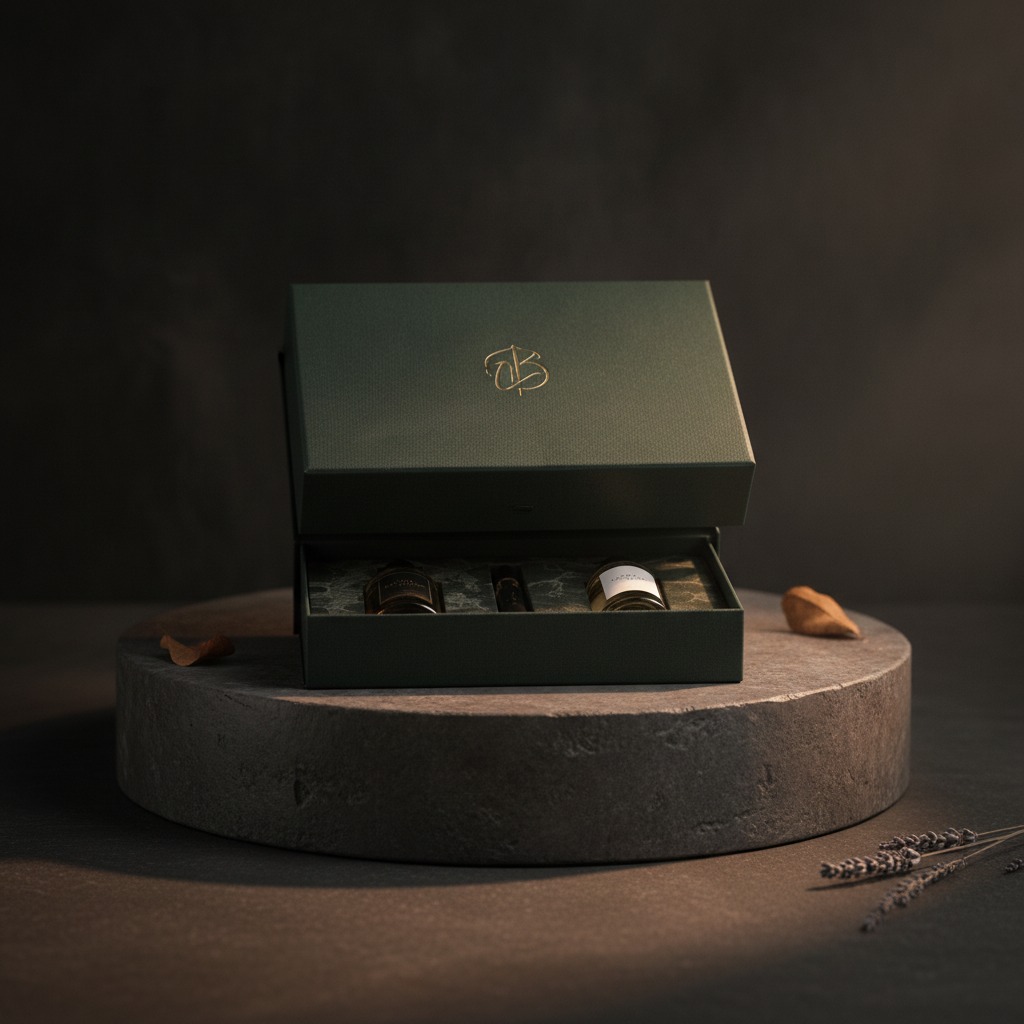
The product examples here point to a practical packaging category: rigid luxury gift boxes for perfume, perfume oil, and small cosmetic bottle collections. The visible formats include book-style boxes, lift-lid boxes, and magnetic closure presentations. Some are made for a single hero bottle, while others are built for discovery sets, duo gifts, or three-bottle collections.
That range is useful because different fragrance formats create different packaging problems. A 5 ml sample set needs compact, secure compartments. A duo gift set may need room for a 50 ml eau de parfum and a 10 ml perfume oil, with enough structure that the smaller bottle does not rattle around. A three-bottle gift box needs a layout that looks orderly when opened, not crowded or improvised. In other words, the packaging has to be engineered around the collection, not just sized to it.
Key features buyers should notice
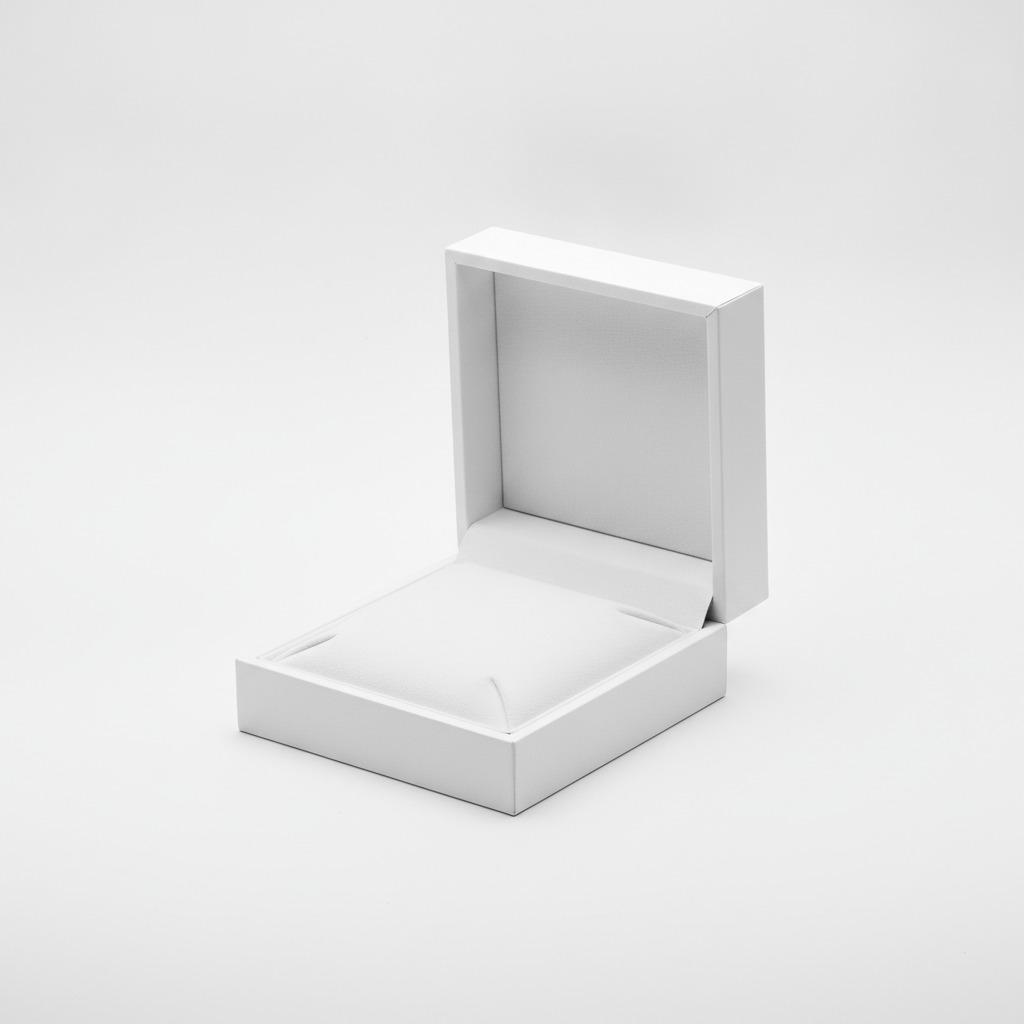
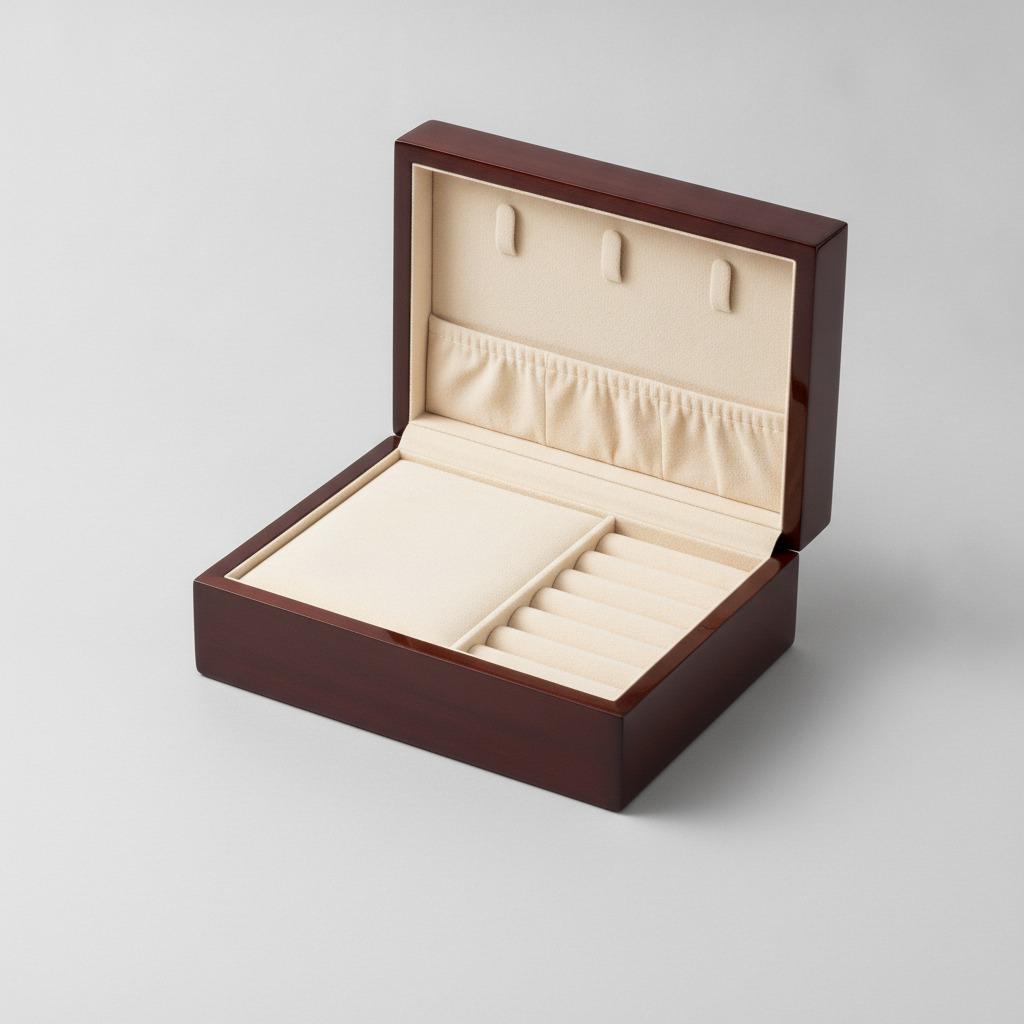
Several details matter when evaluating a custom perfume box for commercial use. Rigid board construction is the foundation. It gives the box its crisp edges and that reassuring, solid feel customers associate with luxury goods. Magnetic closure adds a clean opening and closing action, especially on book-style presentations. Custom inserts are equally important, because they hold each bottle in place and turn loose components into a coherent set.
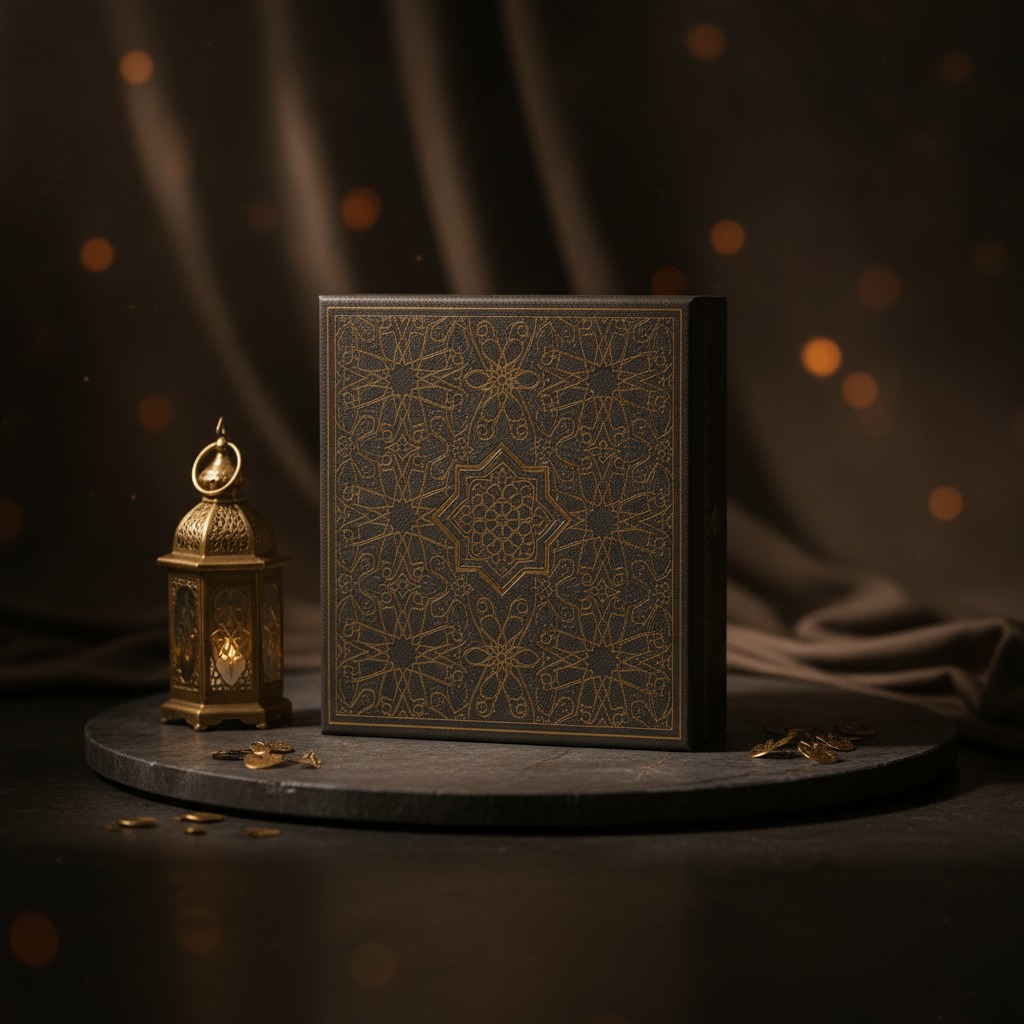
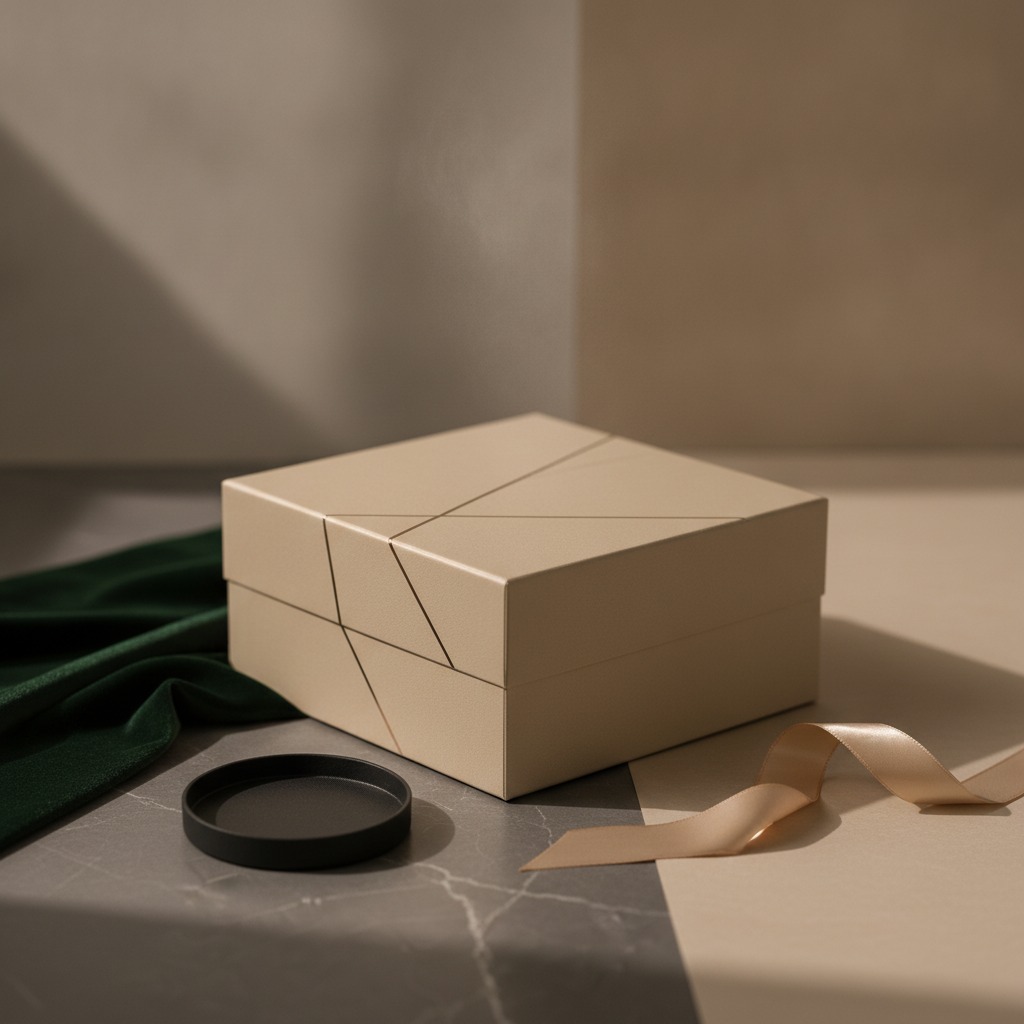
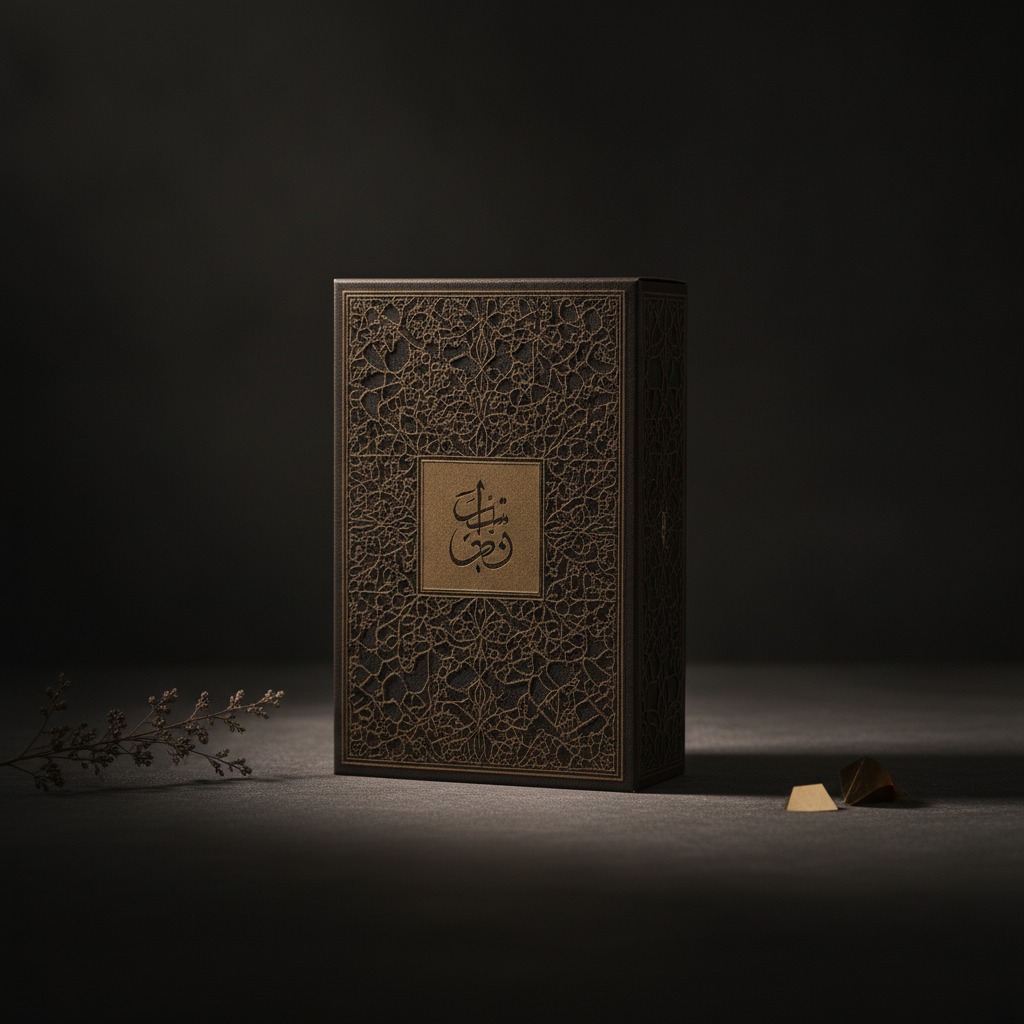
Finishes can shift the tone dramatically. Matte black reads modern and premium. Kraft or beige textured wrapping feels more natural and artisanal. Patterned or oriental-style printed surfaces, especially with gold foiling or embossing, lean toward decorative gifting and fragrance traditions that benefit from a more expressive visual language. None of these choices is inherently better; they simply tell different stories.
A quick buyer’s comparison
Lift-lid rigid boxes are straightforward and familiar, which makes them a safe choice for retail and gifting. Book-style magnetic boxes feel more ceremonial and are often better when the opening experience matters. Discovery set packaging usually needs tighter internal compartment design because the bottles are small and the pack may be shipped directly to consumers. Larger gift sets can afford a little more visual drama, but they also need stable inserts so the presentation does not collapse after transit.
How a custom perfume box is typically made
From a manufacturing standpoint, this is standard rigid box production with a few specialty steps. The board is cut and formed, then wrapped in printed or specialty paper. Magnetic closures are assembled into the shell where needed. Inserts are cut to match the bottle geometry, and decorative finishes such as foil stamping or embossing may be added for brand emphasis.
That sounds simple enough, but in practice the box lives or dies on fit. If the insert is too loose, bottles shift. If it is too tight, customers may struggle to remove the product, which is a small frustration that can make a premium pack feel clumsy. This is one of those packaging details buyers tend to overlook until the first sample arrives.
What sourcing teams should ask before approving artwork
Before placing an order for a perfume gift box, buyers should clarify a few points with the packaging supplier. What bottle sizes are being held? Is the insert built for glass, roller bottles, or atomizers? Is the box for retail display, ecommerce shipment, or both? Will the brand need custom printing, foiling, or a more restrained finish? And if the product is part of a discovery set, how will the opening sequence feel in the customer’s hands?
One useful practical caution: do not approve a design based only on exterior rendering. A luxury perfume box can look flawless on screen and still fail in the hand if the insert depth, tray spacing, or closure alignment is off. For fragrance packaging, structural samples matter as much as the artwork.
Where these boxes fit best in the market
The strongest use cases are premium fragrance launches, niche perfume brands, perfume oil collections, holiday gift sets, and sampling programs. They also fit artisan or Arabian-inspired lines where decorative presentation is part of the product identity. The mention of low MOQ in the artwork suggests this format may also suit smaller brands testing a new SKU or seasonal release, although buyers should always confirm order terms directly.
There is also a quiet commercial advantage here: a well-made perfume packaging box can support a higher perceived value without changing the liquid formulation at all. For brands with limited production capacity, that can be a sensible way to build margin and shelf presence at the same time.
FAQ: common questions from fragrance buyers
Are these boxes only for perfume?
No. They are also used for perfume oil, small cosmetic bottles, and gift sets that combine multiple bottle sizes.
Can one box hold different bottle counts?
Yes. The product examples show single, duo, and three-bottle formats, plus discovery sets in multiple milliliter sizes.
Are the inserts standard?
Not necessarily. The listings mention fully custom insert options, which is the right direction for fragile fragrance packaging.
Next step for brands and sourcing managers
If you are sourcing a perfume box for a new collection, start with the bottle layout and the customer experience, then move to finish and decoration. That sequence usually prevents costly redesigns later. For the best result, ask for samples or dielines before committing to full production, especially if your set includes mixed bottle sizes or a magnetic book-style structure.
In fragrance packaging, the box is part of the sale. It protects the product, but it also carries the mood. Get that balance right, and the packaging does more than arrive intact; it helps the scent feel ready for the shelf, the gift table, or the first unboxing video.