Why the right perfume box does more work than people think
A perfume box is not just a container with a logo on it. For fragrance brands, it is often the first physical cue a buyer gets before they ever smell the product. That matters because scent is subjective, but packaging has to do very practical jobs: protect glass, control movement, present the bottle cleanly, and make the brand feel worth its price. In the fragrance aisle, those jobs are closely linked.
A well-made perfume packaging box can turn a small bottle into a proper gift, a sample set into a product system, and a retail item into something that feels deliberate rather than generic. For sourcing teams, the real question is usually not whether packaging looks nice. It is whether the structure, insert, finish, and opening experience fit the product and the sales channel.
What the eye sees first: structure, finish, and the unboxing cue
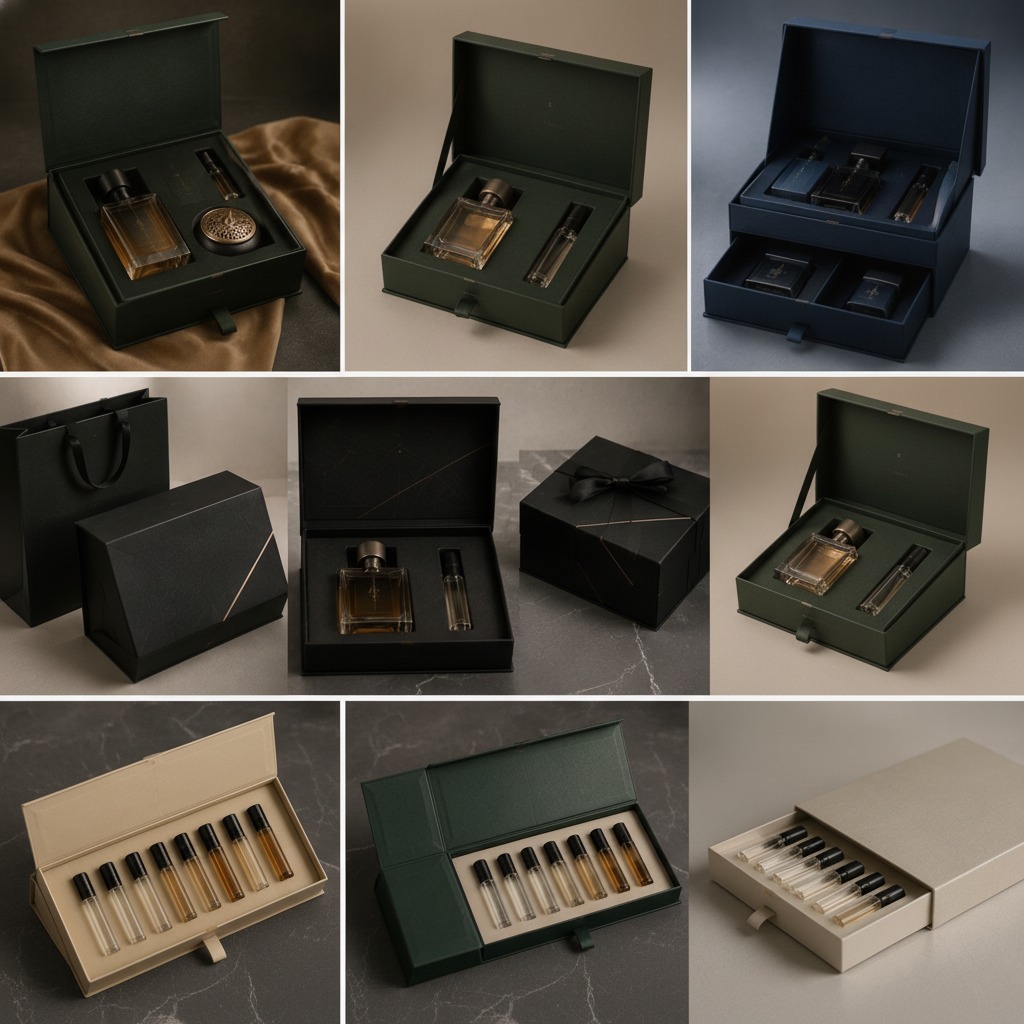
The packaging style shown in the preparation data sits squarely in the luxury and premium segment. The boxes appear to use rigid paperboard construction with wrapped exterior papers, which is the standard direction for higher-end fragrance packaging. That construction gives the box a heavier hand feel and a more stable profile than folding cartons. It also helps the box keep its shape on shelf and during shipment.
Several formats are visible: single-bottle presentation boxes with fitted inserts, two-compartment boxes, drawer-style boxes, magnetic flip-top boxes, and sample/vial boxes. That range matters because fragrance lines are rarely one-size-fits-all. A 50 ml retail bottle, a discovery set, and a promotional sampler all need different cavity layouts and different consumer expectations.
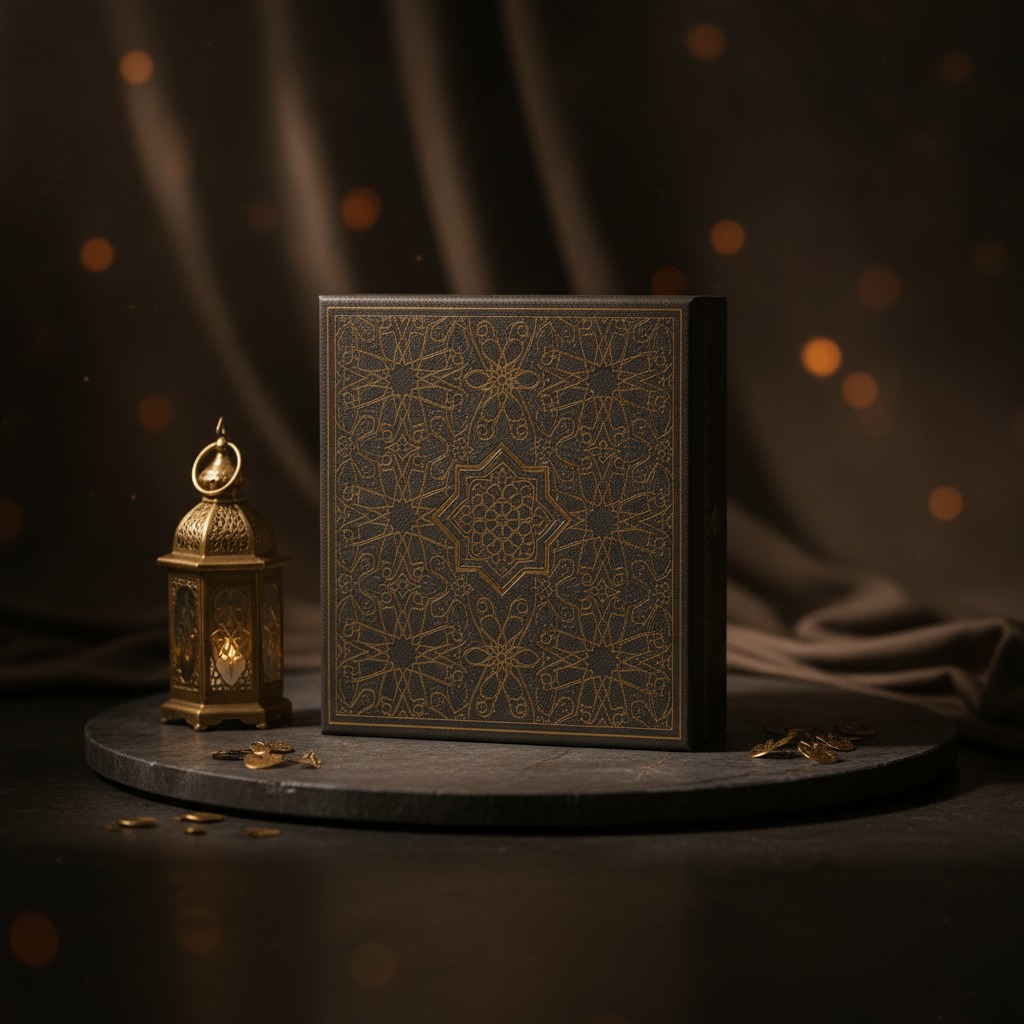
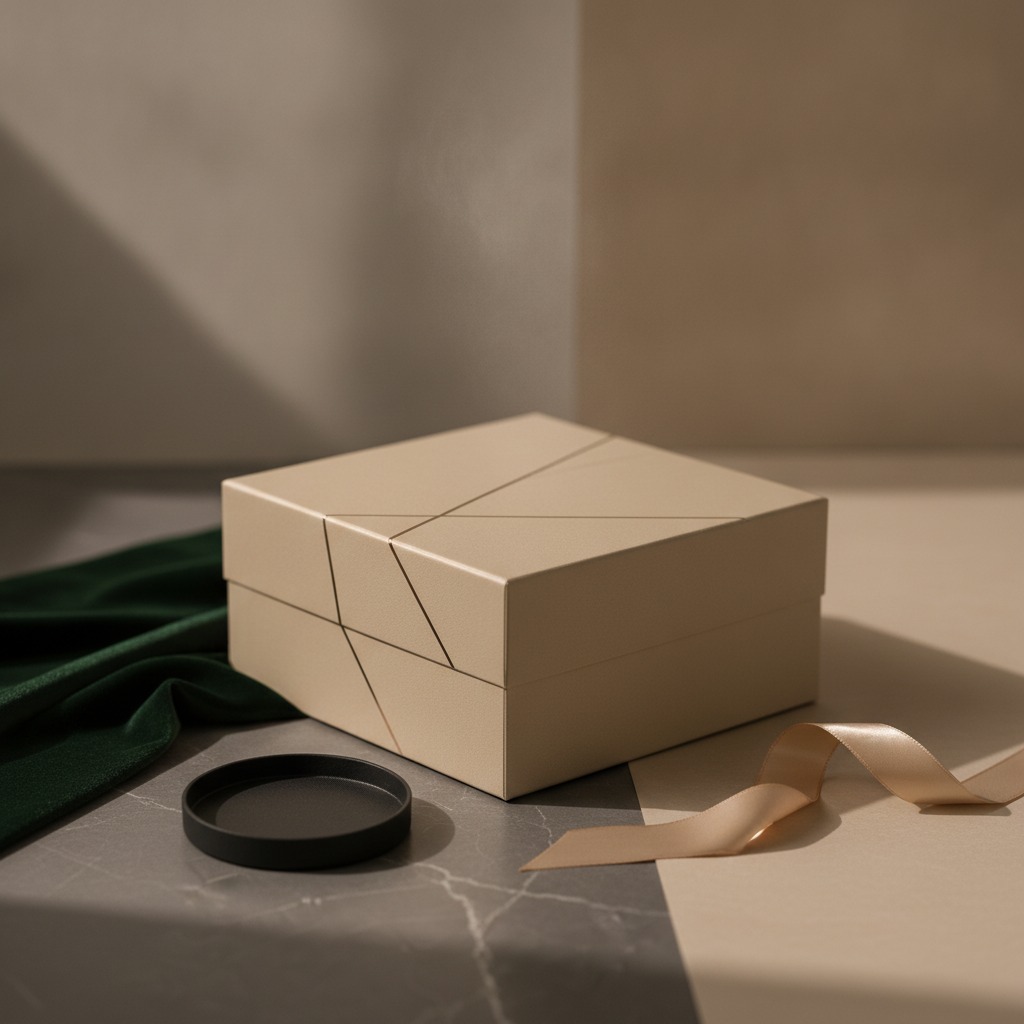
The visible finishes lean into restrained luxury: dark green, navy, black, beige, and off-white, with subtle gold line decoration in some versions. That is a familiar and effective palette for fragrance because it signals calm, polish, and premium positioning without shouting. A buyer should still remember one thing: finishes that look elegant in a studio render can behave differently in production, especially when combined with textured wrap papers or soft-touch lamination. Always ask for a physical sample.
Quick reference: which box style suits which fragrance program?
Single-bottle rigid box
Best for hero SKUs, launch products, and giftable retail sets. The insert is doing the real work here, keeping the bottle from rattling and presenting it upright.
Drawer-style perfume gift box
Useful when the unboxing moment matters. The ribbon pull tab adds a tactile cue, and the sliding motion can make even a small perfume feel like a keepsake.
Magnetic flip-top box
A common choice for premium sets and brand launches. It opens with a controlled motion and usually feels more ceremonial than a basic tuck box.
Multi-vial sample box
A practical format for discovery kits, travel programs, and subscription sampling. The key is cavity consistency; sample bottles can look chaotic if the insert is loose or uneven.
Inside the box: insert design is the part buyers should not skim over
In perfume packaging, the insert is not an accessory. It is part of the protection system.
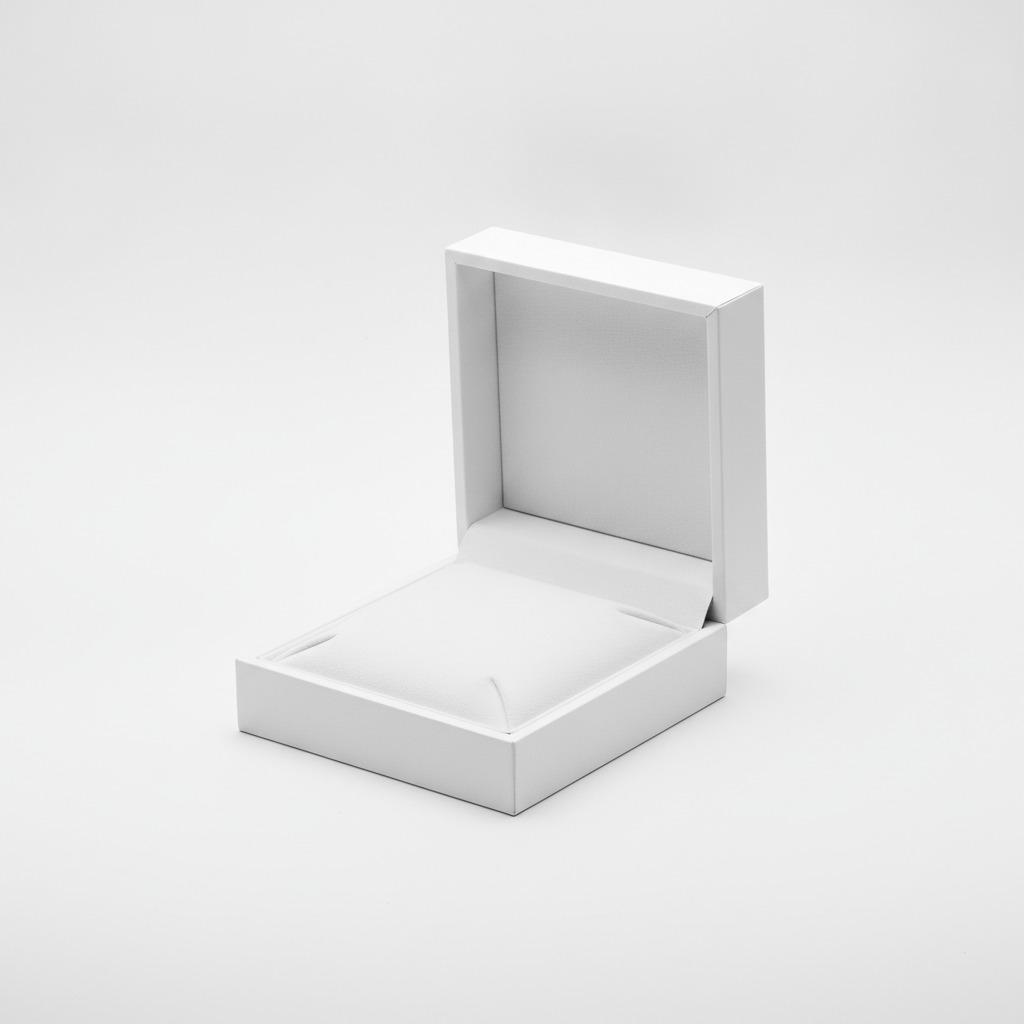
The product data suggests fitted inserts, possibly foam or molded paperboard trays, for holding glass bottles and slim vials securely. That is exactly where many packaging programs succeed or fail. If the insert is too shallow, the bottle wobbles. If it is too tight, the bottle becomes difficult to remove and may feel overstuffed. If the cavity profile does not match the bottle shoulder, cap, and base geometry, the presentation looks improvised.
For fragrance buyers, the most useful detail to request is a sample of the actual bottle-insert fit. Not a flat dieline. Not only a digital mockup. The fit test is what tells you whether the closure feels clean and whether the bottle sits centered after transit.
Common mistakes when ordering a custom perfume box
One common mistake is treating all fragrance packaging as if it were a simple cosmetic carton. Rigid boxes have different production considerations. Another is overcommitting to decoration before the structure is finalized. A foil line can look elegant, but if the lid alignment is poor or the insert depth is wrong, the packaging still feels off.
A second mistake is ignoring how the box travels. Retail shelf display and postal shipment are not the same environment. A drawer box with a ribbon pull can look excellent on a counter, but the insert and sleeve need to hold up under repeated handling. Likewise, multi-vial boxes need to survive lighter items shifting in transit.
There is also a branding trap here: too many finishes can make the box feel expensive in the wrong way. Fragrance buyers often prefer one or two disciplined visual cues instead of a crowded surface.
What sourcing teams should ask before approving a run
Before approving a custom perfume box, ask for the following in plain language:
What exact bottle or vial format is being packed?
Which opening style is intended: drawer, magnetic lid, or lift-off presentation?
What kind of insert is used to hold the glass securely?
Is the outer wrap paper textured, coated, or laminated?
Will the printed finish still read clearly on dark substrates?
Are shopping bags, cards, or other accessories part of the set, or separate items?
Those questions sound basic, but they surface most of the hidden cost and quality risks early.
A practical note on luxury positioning
For fragrance, the packaging is often doing brand architecture work. A perfume gift box can elevate a seasonal release. A coordinated box-and-bag set can help with retail presentation. A slim sample box can make a discovery kit feel curated rather than promotional. The same structural family can serve different channels, but only if the layout is adjusted properly.
That is why luxury perfume box projects tend to reward restraint and precision more than novelty. The best results usually come from a solid rigid structure, a clean insert, and one memorable detail: a magnetic closure, a ribbon pull, a foil line, or a carefully chosen paper wrap.
FAQ: a few questions buyers ask late in the project
Can one box style work for both retail and gifting?
Sometimes, yes, if the insert and exterior finish are flexible enough. But gift presentation and shipping durability do not always align perfectly, so test both uses.
Do sample boxes need the same level of finish as retail boxes?
Not always, but discovery kits still carry brand weight. If the fragrance is premium, the sample box should not feel disposable.
Is drawer packaging always better for luxury fragrance?
No. It is attractive, but magnetic flip-top and rigid lift-off boxes can be just as effective depending on the bottle shape and the desired opening experience.
Next step for buyers planning a fragrance launch
If you are sourcing a perfume box for a new launch, a gift set, or a sample program, start with the bottle or vial geometry and work outward from there. Decide the opening style, the insert material, and the finish level before you lock the artwork. A good packaging partner should be able to show you how the structure holds the product, not just how it photographs.
For teams comparing a custom perfume box against a more standard carton, that is usually the dividing line: one sells product, the other simply contains it.