Why a Luxury Velvet Watch & Ring Display Case Still Matters
A Luxury Velvet Watch & Ring Display Case is not just a pretty box. For retailers, jewelry brands, and anyone shipping or gifting small valuables, it affects how the product is perceived the moment the lid opens. That matters more than people sometimes admit. A ring that arrives loose in a carton feels like merchandise; the same ring seated in a rigid, padded case feels considered and worth protecting.
From a sourcing point of view, the case also solves a practical problem: keeping mixed small items separated, cushioned, and presentable at the same time. The product category here is a hinged presentation/storage box with a structured exterior and a light-colored padded interior. In other words, it is doing two jobs at once, and that is usually where good packaging earns its keep.
What the Box Is Designed to Do
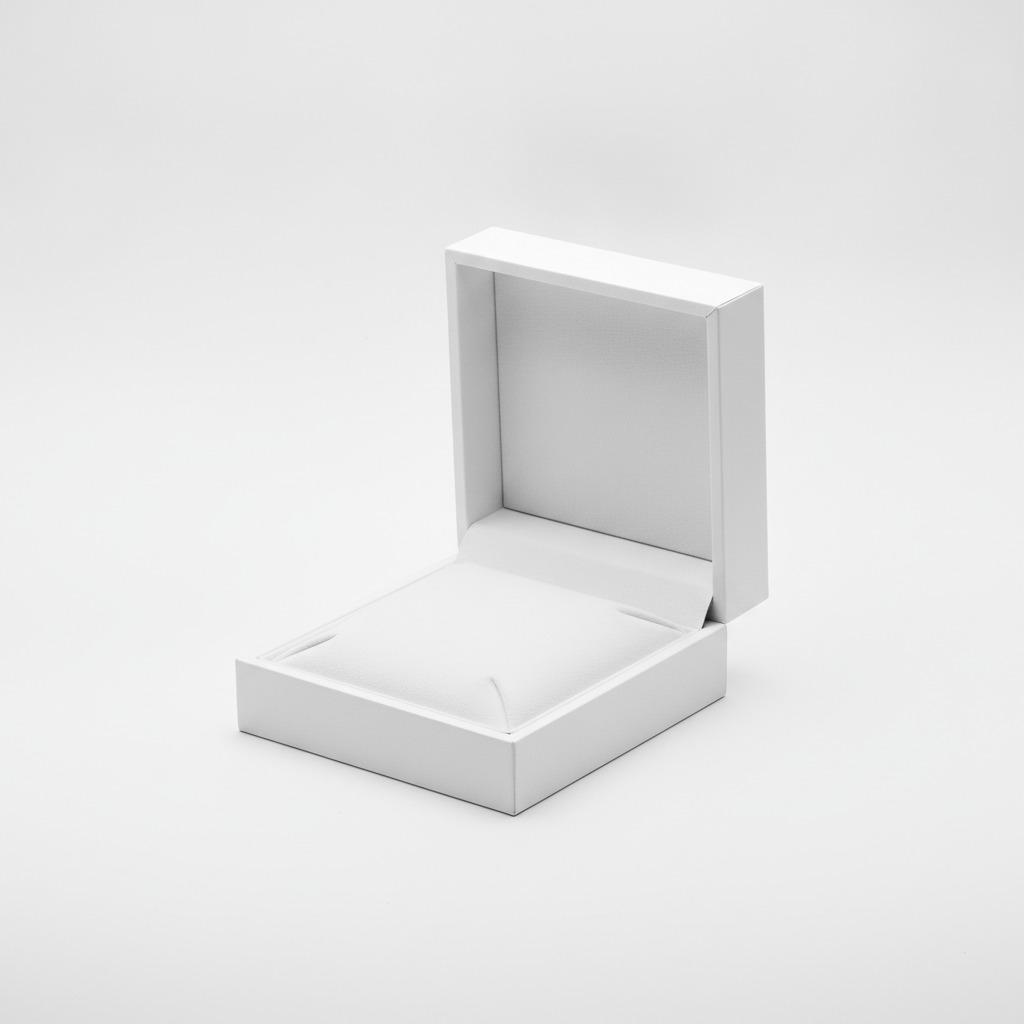
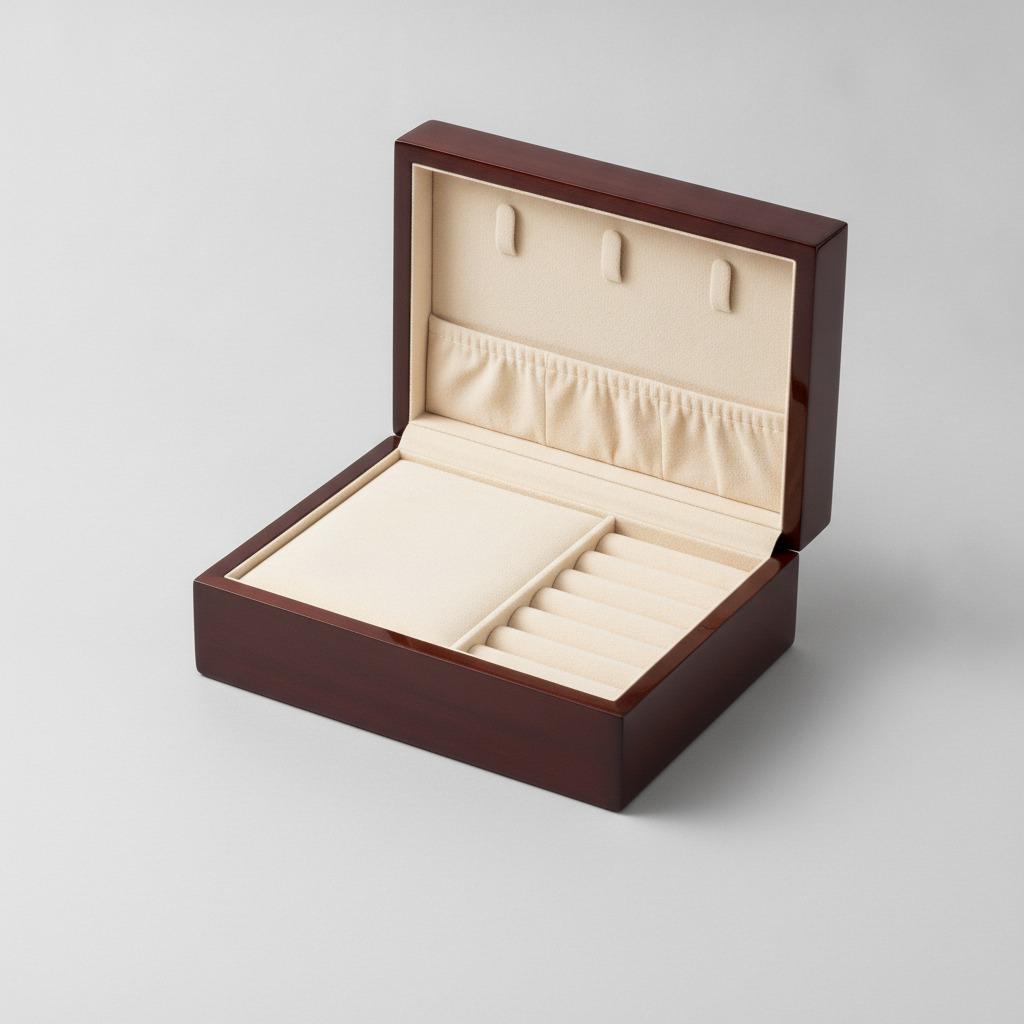
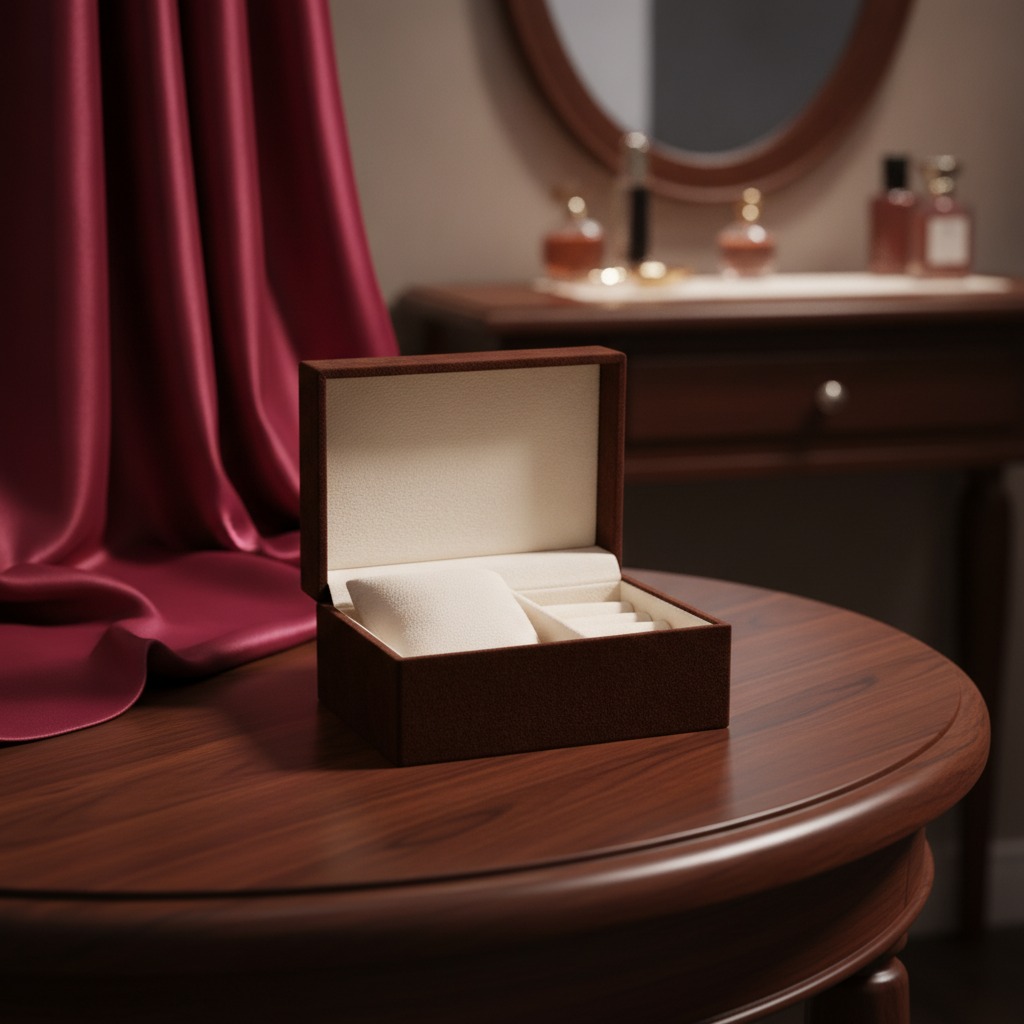
The visible construction is straightforward, which is often a good sign. You have a rigid square or near-square box with a top lid that opens upward, plus an organized interior with separate placement areas. One section appears suited to a padded central slot or cushion, while another includes several rounded recesses that could hold rings, earrings, cufflinks, or similarly sized items. There is also a larger flat padded compartment for a small watch or another accessory.
That mix of compartments is useful because the buyer is rarely storing just one type of item. A retail set might include a watch and matching ring. A gift set might include several small pieces that would otherwise rattle around in transit. Even for home storage, the segmentation prevents scratches and keeps presentation neat, which is exactly the point of using a display case instead of a plain storage box.
Materials and Build: What You Can Reasonably Expect
Based on the supplied product information, the exterior appears to be a dark brown rigid shell with a wood-like or faux-wood finish, while the interior is lined with a cream or light beige fabric- or foam-padded material. That combination is common in presentation boxes because it balances structure with softness. The rigid walls help the case hold its shape; the padded lining helps reduce surface contact and gives the contents a more premium look.
It is worth being careful here: the exact material composition is not verified, so buyers should not assume solid wood, genuine velvet, or a specific foam grade without confirmation. In practice, many display boxes achieve a similar effect using wrapped board construction and plush inserts. For sourcing teams, the real question is not the marketing adjective but whether the box resists crush damage, opens cleanly, and keeps the contents seated during handling.