Why a perfume box does more than hold a bottle
A perfume box is not just a shell around glass and fragrance. In retail, it is often the first physical cue a buyer gets about the scent inside: fresh or heavy, modern or traditional, premium or merely decorative. That matters because perfume is sold on emotion, but chosen with the eyes and the hands. The box has to carry both the brand story and the practical job of protecting a fragile bottle during storage, shipping, and display.
For fragrance teams, sourcing managers, and product developers, the real decision is rarely “do we need packaging?” It is closer to: what kind of perfume packaging will support the brand, survive handling, and still make sense on the shelf? The answer changes depending on whether the product is a gift set, an entry-level retail line, or a limited-edition launch meant to feel collectible.
What stands out in decorative fragrance packaging
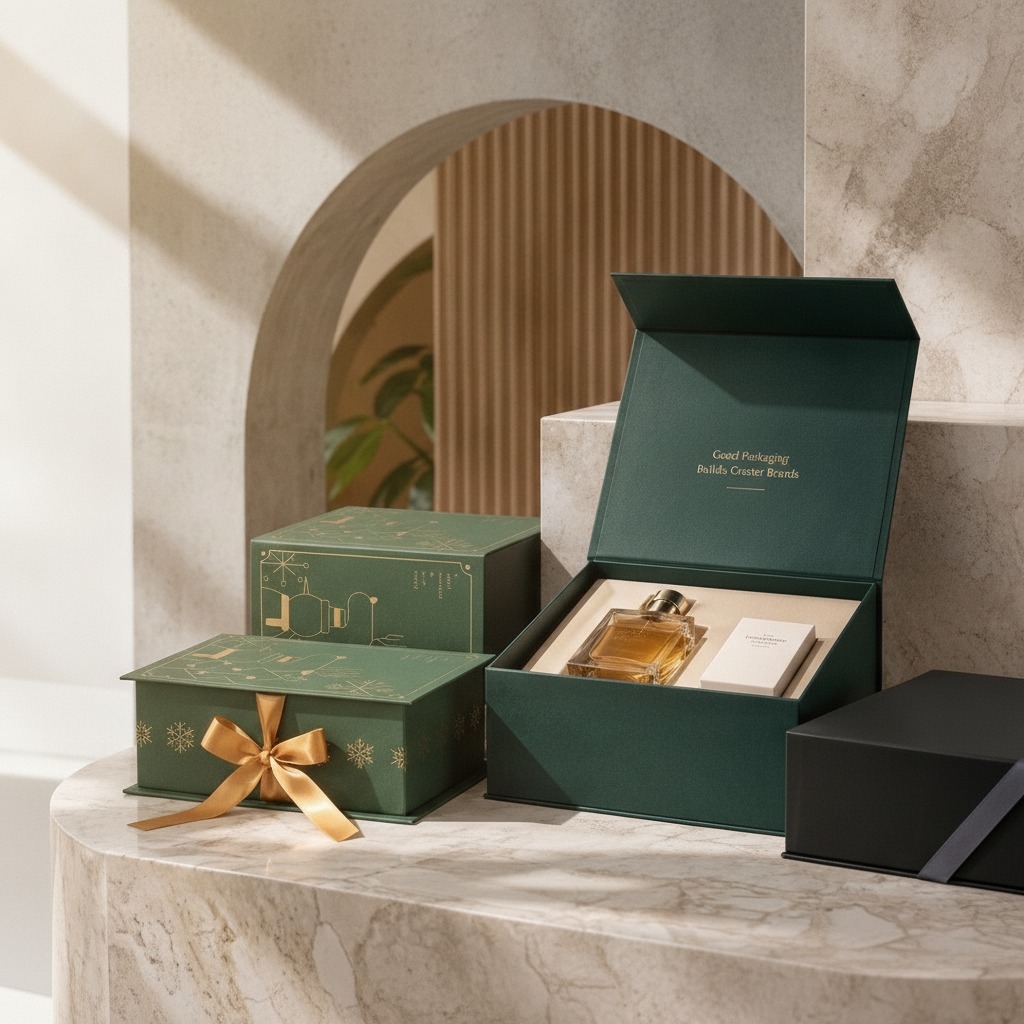
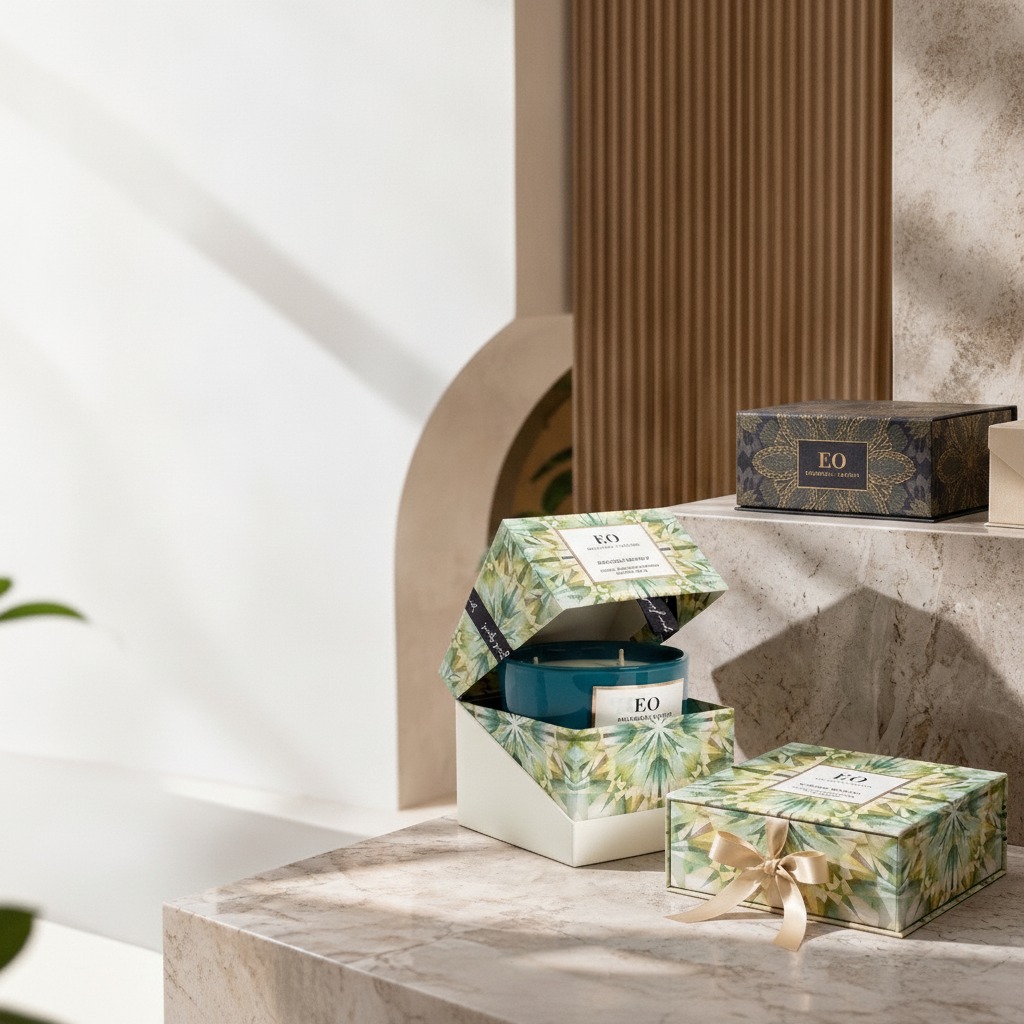
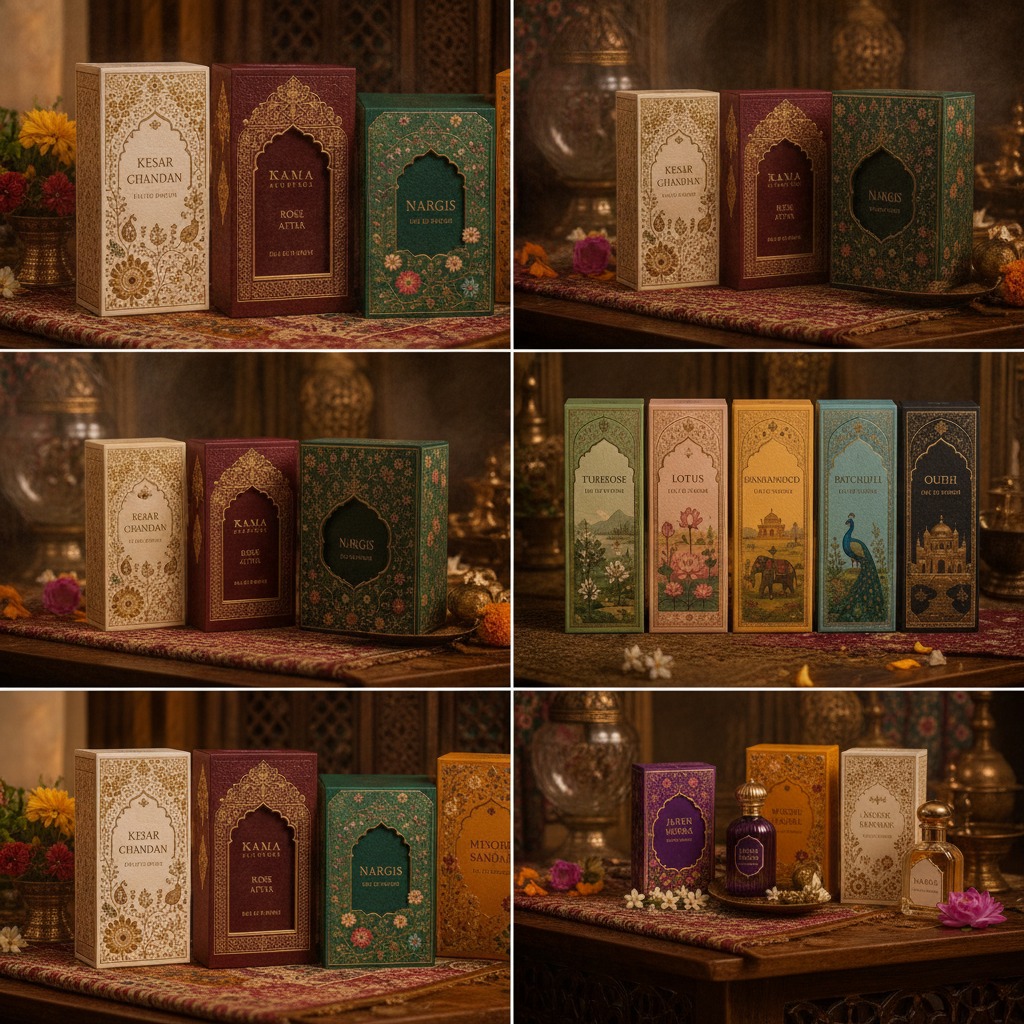
The sample packaging data points to a style that leans into ornate presentation: rigid carton forms, drawer-style gift boxes, arch-shaped window panels, and full-surface printed motifs drawn from floral, paisley, and architectural references. That kind of language is not accidental. In fragrance, pattern carries memory. It can suggest heritage, ceremony, or luxury without saying a word.
Gold-foil detailing and embossed-looking ornamentation add a second layer. They catch light, break up flat surfaces, and give the box a more tactile presence. For buyers, that tactile element matters more than many teams expect. A matte wrap with metallic accents feels different in the hand from a simple printed folding carton. Even before the bottle is seen, the packaging is doing part of the selling.
The bottles described here also fit that presentation logic: glass flacons with colored liquid and gold-colored caps. That pairing is common in niche perfume and attar-style collections because it helps the outer box and inner bottle read as one composed object rather than separate components.
Rigid box, drawer box, or folding carton?
Not every fragrance line needs the same structure. The visible formats here suggest two main directions:
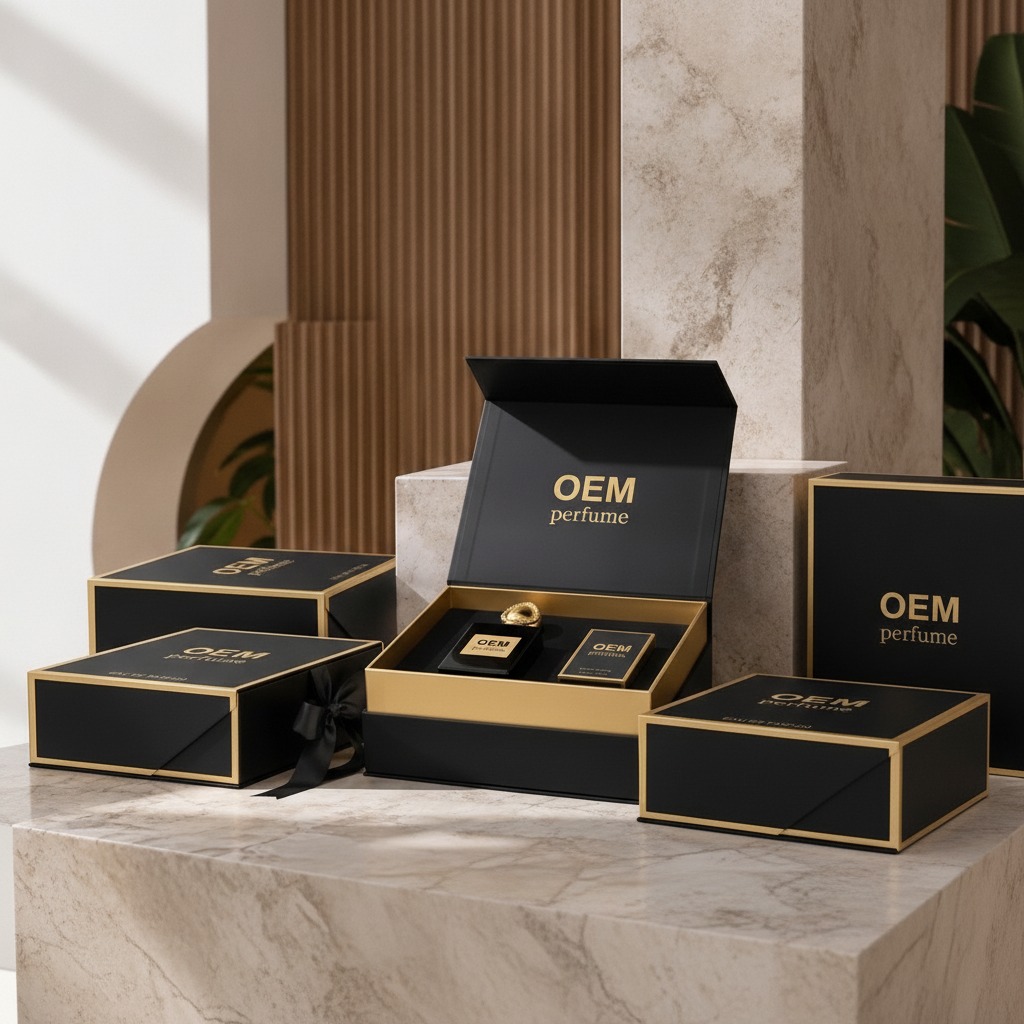
Rigid gift box formats
These are usually chosen when the brand wants a heavier, more substantial feel. They are useful for premium retail, gifting, and export presentation. The weight and stiffness can make even a small bottle feel more valuable.
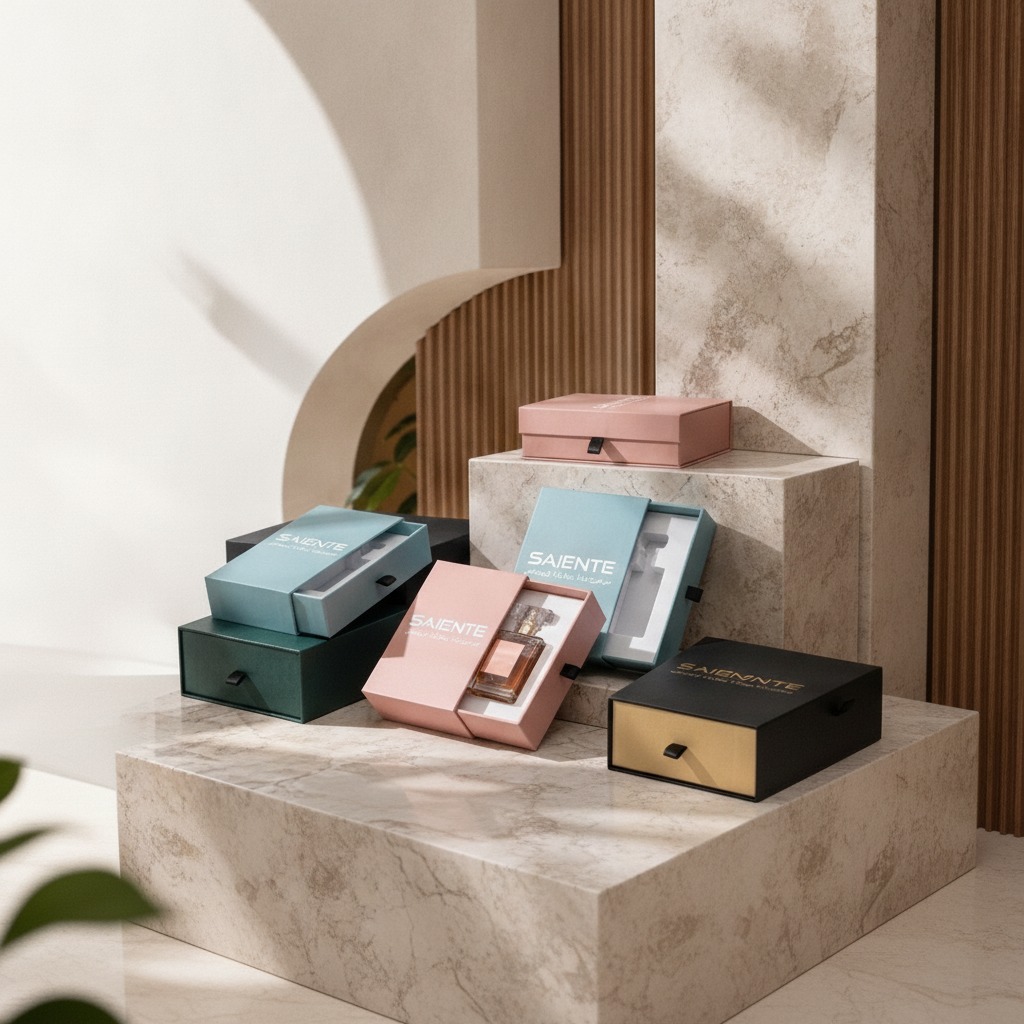
Drawer-style boxes
Drawer or slide-out structures add a small reveal moment. That is useful for luxury perfume box design because the opening sequence becomes part of the experience. A ribbon pull tab, when used well, gives the box a neat practical detail, though it should not feel fussy or fragile.
Standard rectangular cartons
These still have a place, especially for lines that need easier packing efficiency or broader retail compatibility. If the decorative print and finish are strong enough, a simpler structure can still look premium.
What buyers should check before ordering custom perfume box packaging
When sourcing a custom perfume box, the structure is only one part of the decision. Buyers should press for clarity on a few points before artwork is finalized.
First, confirm how the bottle will sit inside the package. The insert material is not specified in the source data, and that is exactly the kind of detail that can create trouble later if it is assumed rather than defined. A pretty box that lets the bottle rattle is a bad trade.
Second, decide how much of the brand story needs to be printed on the outside versus reserved for the inner tray or label. Some perfume bottle packaging works best when the outer surface is busy and decorative; others benefit from more restraint so the bottle and cap feel like the hero.
Third, think about distribution. A luxury perfume box intended for boutique retail may tolerate a more elaborate structure than a box shipping through export channels and mixed warehouse handling. The same visual design can be built in different ways, but protection should never be treated as an afterthought.
Common mistakes in fragrance packaging projects
The most frequent mistake is overdesigning the box and underdesigning the supply chain. A highly decorative outer carton may look excellent on a rendering, then become difficult to pack, stack, or inspect in production. Another common problem is inconsistent size planning across multiple SKUs. When a fragrance line includes several bottle sizes, the packaging system should feel related without forcing every format into the same template.
There is also a tendency to focus only on the first opening experience. That moment matters, certainly. But retail buyers and warehouse teams care about shelf life, print wear, corner damage, and how the box behaves after repeated handling. A luxury finish that scuffs too easily can quietly undermine the brand promise.
Practical advice for product and sourcing teams
If you are comparing suppliers, ask for sample builds that show the real structure, not just the printed mockup. Check the clarity of the gold detailing, the alignment of the motifs, and the quality of the drawer pull or window cutout if those features are part of the design. Ornamental packaging can hide small flaws at a glance, but it also reveals them when the finish is uneven.
For heritage-inspired fragrance lines, keep the visual system coherent. The box art, bottle shape, label, and cap should feel as though they belong to the same shelf family. That coherence is often what turns perfume packaging into something giftable instead of merely decorative.
FAQ: quick buyer questions
Is a perfume box mainly for branding or protection?
Both. In practice, the best designs do both well. If one side is weak, the packaging underperforms.
Are drawer boxes always better than standard cartons?
Not always. Drawer-style boxes can enhance the reveal, but they are not the right answer for every budget or every distribution model.
What makes a luxury perfume box feel premium?
Structure, finish, print detail, and the relationship between outer box and bottle. The effect comes from the whole system, not one shiny element.
Next step
If you are developing fragrance packaging for a niche scent line, limited edition, or gift set, start by defining the bottle size, the opening style, and the visual story you want the box to tell. From there, a custom perfume box can be built as more than packaging: it becomes part of the product’s perceived value, and sometimes the reason the product is picked up in the first place.