In the fragrance sector, the physical encounter with a perfume box begins long before the first mist disperses into the air. Packaging managers and brand owners know that secondary packaging for liquid fragrance carries an outsized burden: it must safeguard fragile, high-value glass containers during freight while communicating the sensory promise of the scent inside. A well-engineered rigid box conveys mass, precision, and intent from the second a consumer lifts it from a boutique shelf or unpacks an e-commerce parcel. When sourcing secondary containers for wholesale production, understanding how structure, surface texture, and internal retention interact is essential for turning a simple container into an enduring brand touchpoint.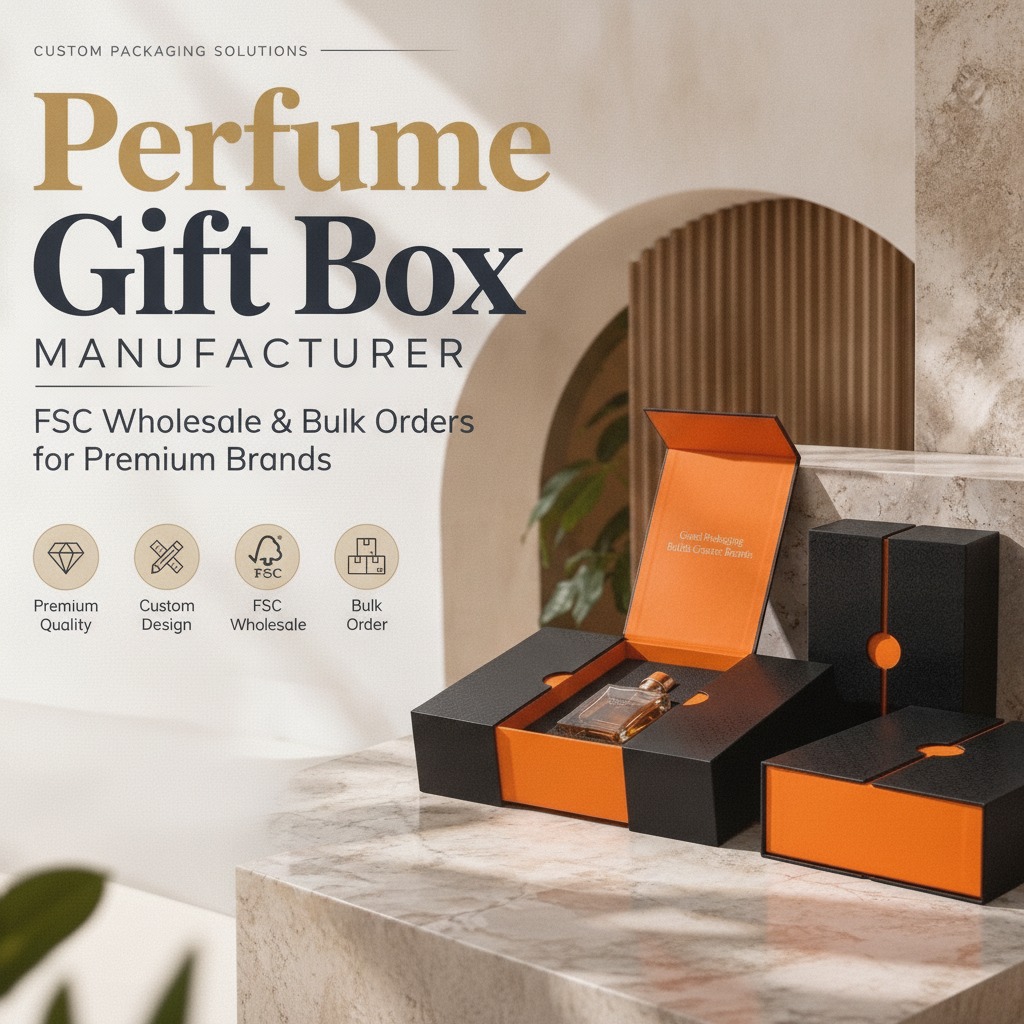
The Architecture of Rigid Fragrance Packaging
Unlike folding cartons, which ship flat and rely on lightweight SBS paperboard, rigid setup boxes provide the dense, immovable feel expected of premium scents. The core structure typically relies on dense greyboard—often ranging from 1.5 mm to 2.5 mm in thickness—grooved and taped into shape before an exterior wrap is adhered to its outer faces.
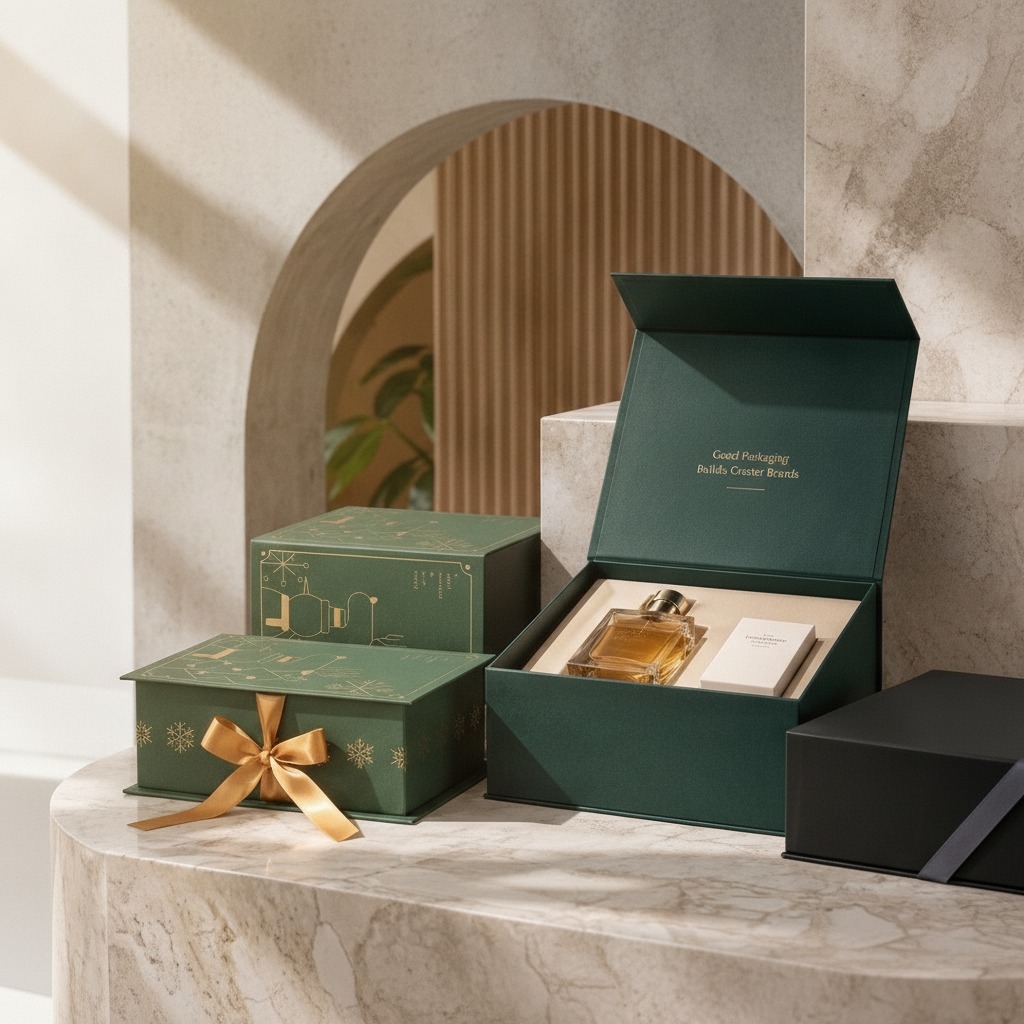
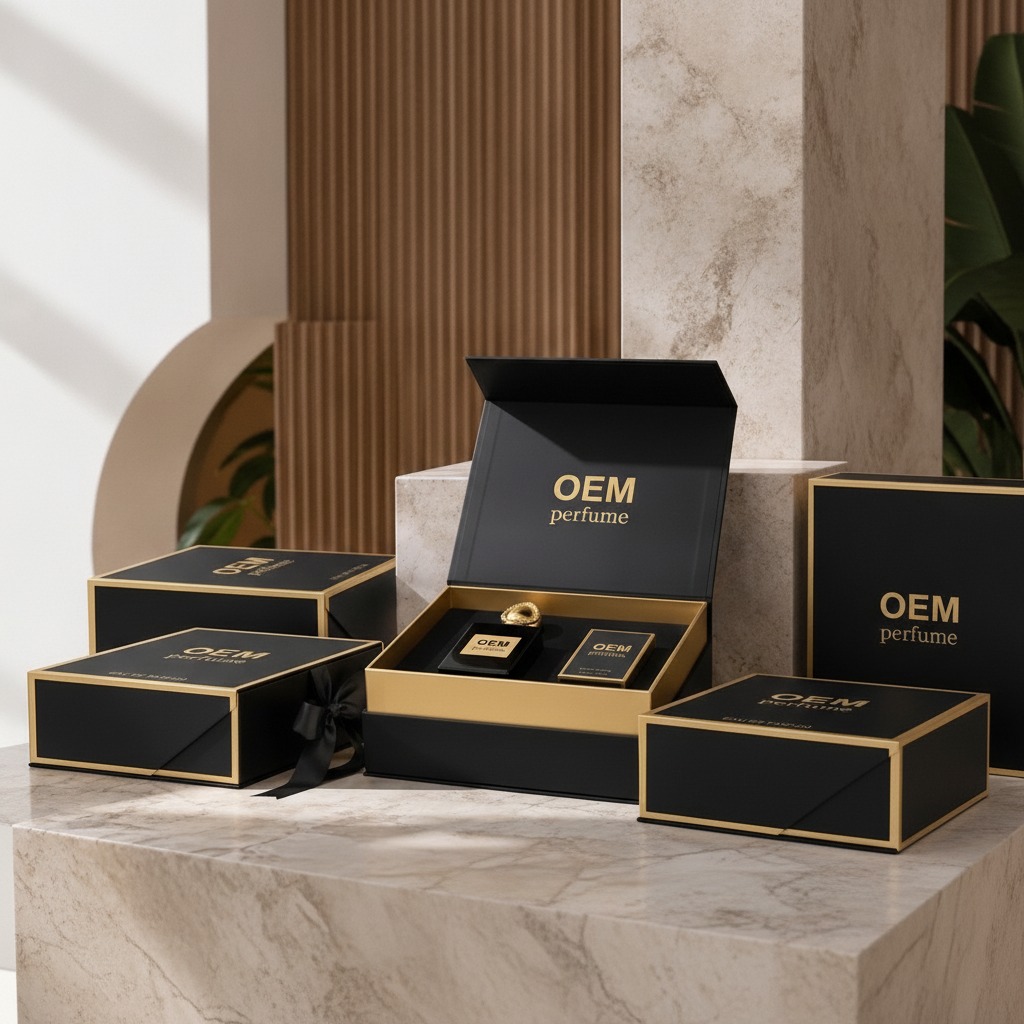
One format that remains favored for both seasonal launches and core collections is the book-style presentation. When closed, it appears as a bound folio, sometimes secured with a discreet magnetic catch hidden between the board plies. Opening the lid requires deliberate mechanical effort, revealing the bottle resting in a tailor-made cavity.
Visually, contemporary design often pairs understated exteriors with striking interior surprises. Picture an exterior wrapped in a deeply grained, leatherette-embossed specialty paper in pitch black, offering a dry, tactile grip that resists fingerprints. Upon lifting the flap, the viewer is met with an interior wrapped in high-saturation burnt orange or warm amber paper. This abrupt tonal shift frames the bottle like a museum exhibit, demonstrating how structural papercraft creates drama without relying on elaborate plastics.
Bottle Retention: Inserts and Structural Precision
Every perfume packaging box lives or dies by its internal retention system. Fragrance vessels present unique structural challenges: they frequently feature asymmetric profiles, elevated centers of gravity, and delicate spray pumps capped with weighted metal or resin closures. If the fit is loose, the bottle shifts, knocking against the perimeter walls during transit; if the cavity is fractionally undersized, retail staff and customers will struggle to remove the bottle cleanly.
Manufacturers generally engineer internal platforms using one of three methods:
High-density EVA foam: Cleanly die-cut or CNC-routed, often laminated with velvet or matte art paper. It absorbs drop shocks exceptionally well and holds crisp, sharp cutouts matching the bottle's contours.
Thermoformed or molded trays: Useful for higher production volumes, though sometimes perceived as less substantial unless flock-coated.
Rigid card cavities: Folded, high-caliper cardstock that matches the interior tray paper. While harder to engineer for complex glass shapes, it simplifies single-stream recyclability.
When specifying a custom perfume box, packaging engineers should measure the glass container across multiple production batches. Molded glass tolerances can vary by a millimeter or more from cavity to cavity; failing to account for these variances can result in bottles that bind tightly in their inserts.
Surface Finishing and Material Considerations
Surface treatment dictates both visual prestige and shelf durability. On the interior lid or tray perimeter, subtle typography—such as a fine-line motto or emblem—can be rendered in pale gold foil stamping or screen-printed metallic ink. These embellishments catch ambient retail light without competing with the glass vessel itself.
Sourcing managers targeting the luxury perfume box segment must scrutinize raw material origin. Many suppliers will highlight FSC-certified core boards or wraps on their spec sheets. Given the complexity of global supply chains, buyers should routinely request valid chain-of-custody documentation rather than relying on decorative catalog badges.
Equally important is adhesive selection. A commonly overlooked issue in perfume box fabrication is adhesive degassing. When boxes are assembled with low-grade animal glues or wet water-based adhesives and immediately packed into plastic sleeves, lingering volatile vapors can cling to the packaging interior. When opened, this chemical odor directly clashes with the fragrance profile. Specify low-VOC, odorless adhesives and insist on sufficient curing and airing windows prior to final pack-out.
Matching Box Styles to Commercial Applications
Not every product line warrants the same structural footprint. A single fragrance launch often demands distinct tiers of secondary packaging depending on sales channels:
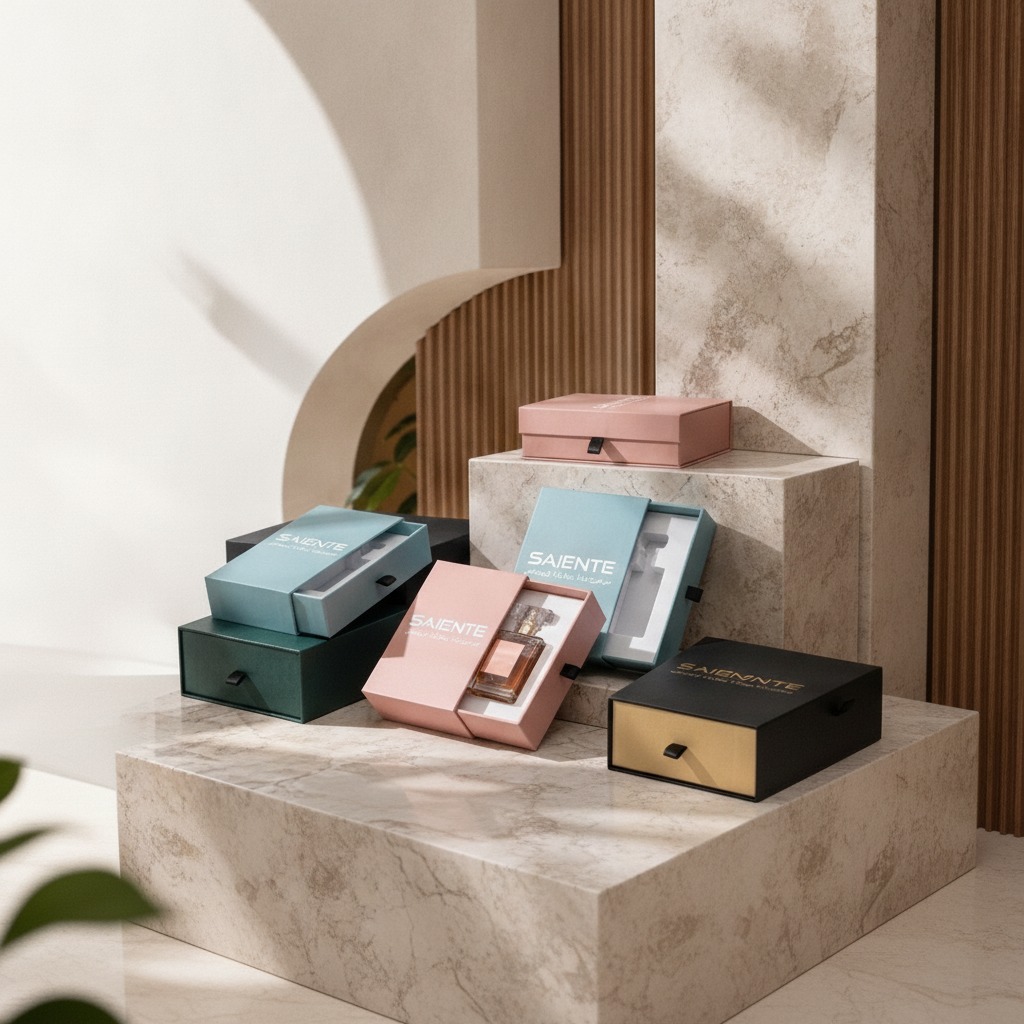
Primary Retail Packaging: Compact, vertical rigid setup boxes designed to occupy minimal shelf footprint while offering maximum front-face branding.
Seasonal Sets and Gift Packages: A wider format perfume gift box configured to house a 100 ml flacon alongside a complementary travel atomizer, solid scent, or body lotion.
Post-Purchase Keepsakes: Consumers frequently repurpose sturdier containers as a vanity-top perfume storage box, extending the brand's presence in their daily environment for months or years after purchase.
Practical Sourcing Pitfalls to Avoid
Before greenlighting volume production with a packaging converter, consider these practical warnings:
1. Corner Wrapping and Edge Cracking: Thick, heavily coated specialty wraps can fracture along the scored edges of heavy greyboard, especially in dry winter climates. Always test pre-production samples along the folded creases.
2. Magnet Placement and Alignment: If hidden magnets are utilized in a hinged closure, confirm their polarity and pull strength. An underpowered magnet feels cheap; an overpowered one can tear the paper wrap over repeated cycles.
3. Insert Bleed: Dyed fabrics and colored flocking used inside inserts can occasionally migrate onto glass bottles or label materials during prolonged warehouse storage in warm conditions. Request migration testing on clear bottles prior to volume sign-off.
Frequently Asked Questions
Can rigid boxes accommodate unusual or asymmetrical perfume bottle shapes?
Yes. Custom inserts made from CNC-cut EVA foam or multi-layered card platforms can be precision-machined to cradle asymmetrical flacons. However, accurate technical drawings (CAD or 3D step files) and physical glass blanks from the actual bottle supplier are essential during structural prototyping.
How can I verify environmental claims for rigid packaging materials?
Do not rely solely on sales badges or supplier statements. Request the factory's valid FSC chain-of-custody license code and cross-reference it against the public FSC database. Ensure the invoice or delivery documentation explicitly lists the certified line items.
What is the biggest production risk when shipping completed rigid boxes?
Moisture and deformation during ocean transit. Heavy greyboard naturally absorbs atmospheric humidity. If outer cartons lack desiccant pouches or moisture barriers, boxes can warp, leading to lid misalignment and degraded adhesive bonds before they reach the filling line.
Next Steps for Sourcing Teams
When preparing a technical RFQ for custom rigid fragrance packaging, gather your glass tolerances, closure mechanism preferences, and exterior finish requirements into a unified specification sheet. Request structural prototypes using unprinted board and production-grade inserts first to validate fit and transit protection before authorizing high-volume print runs.