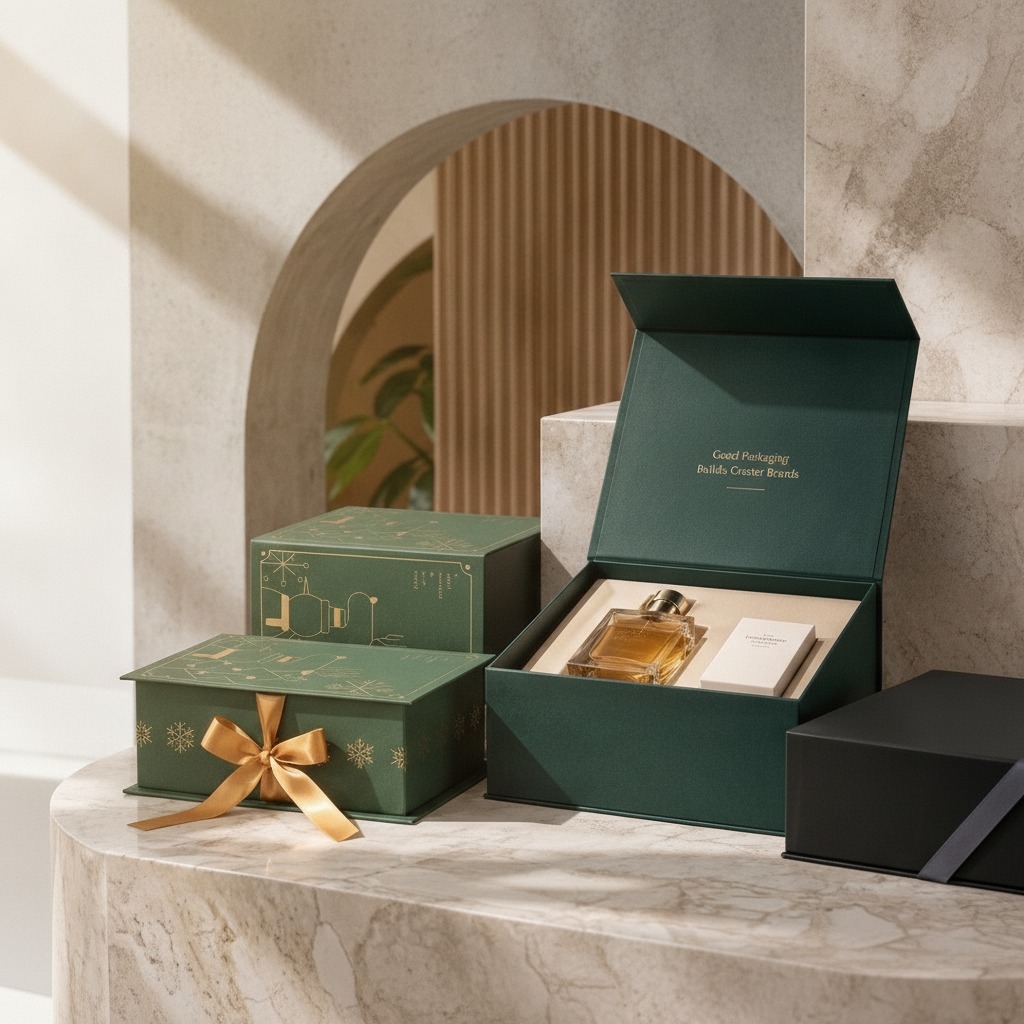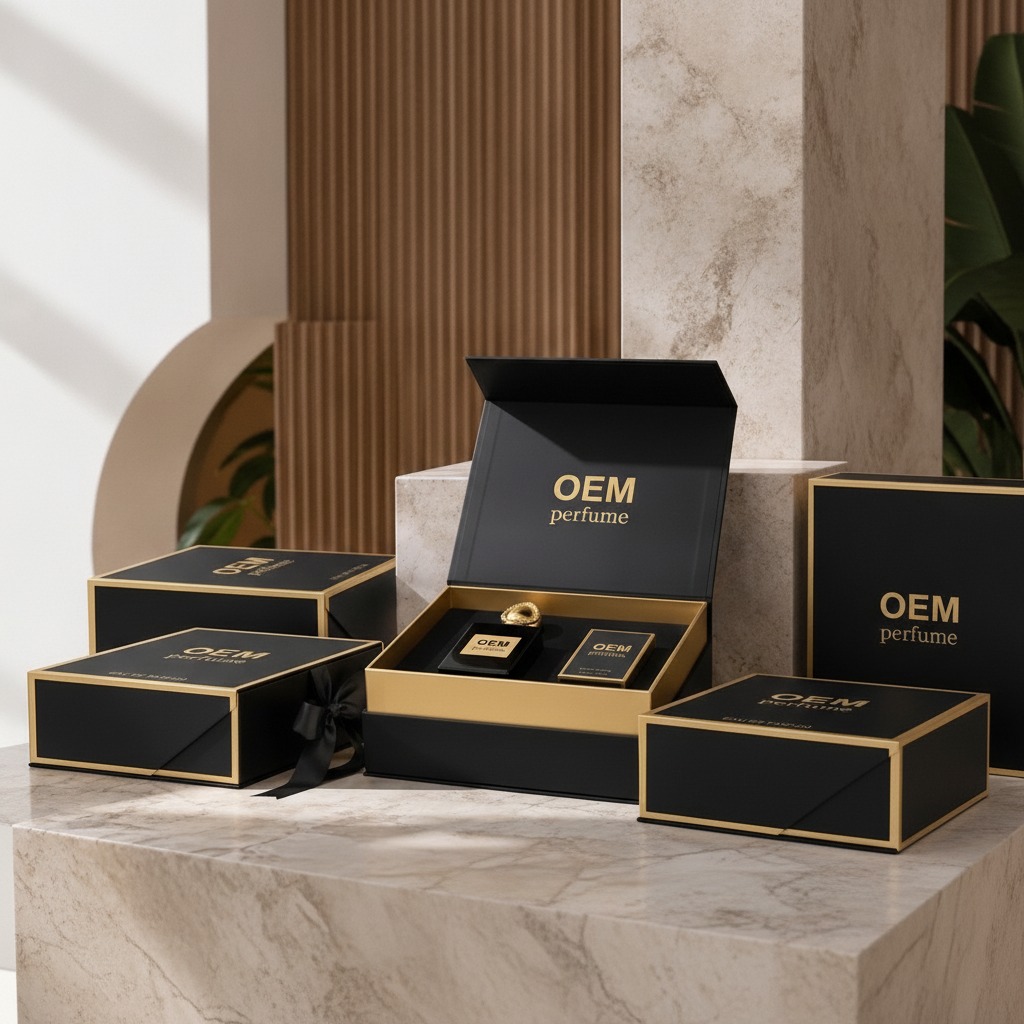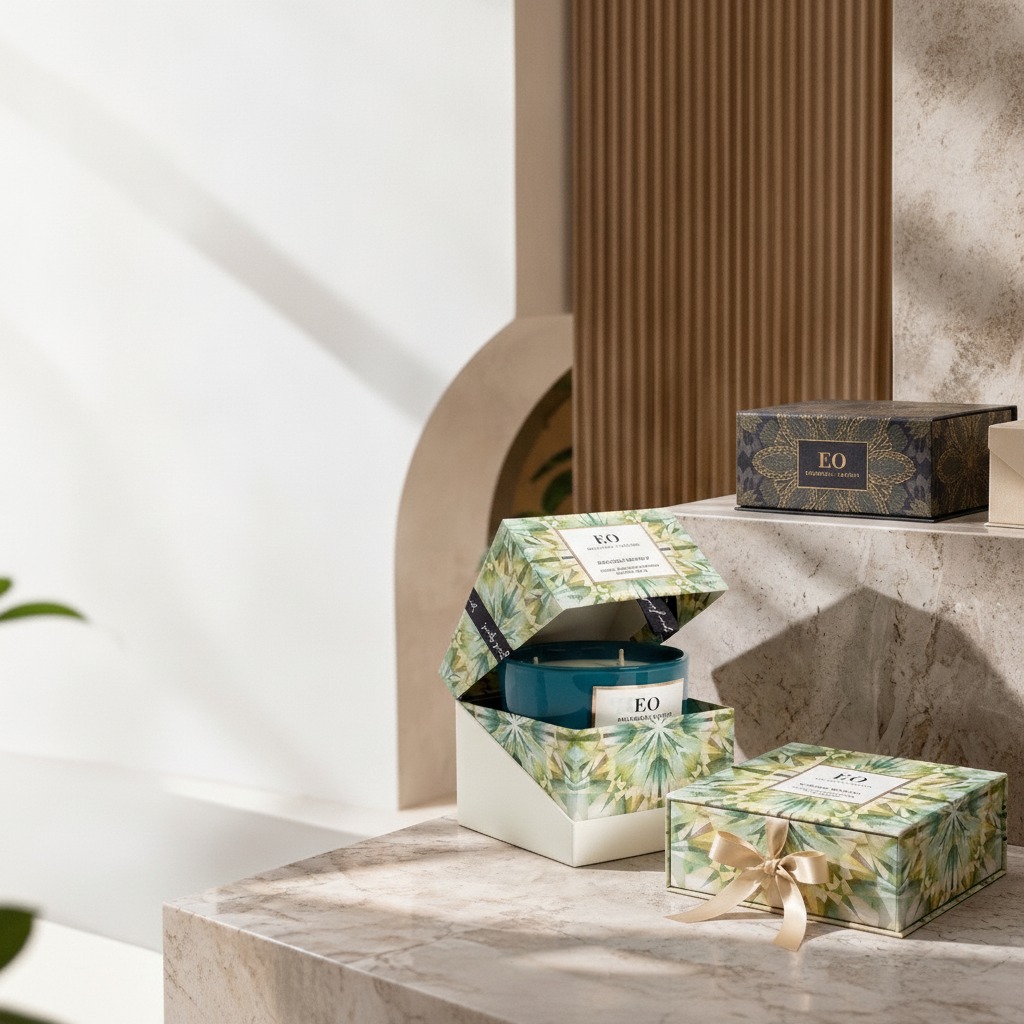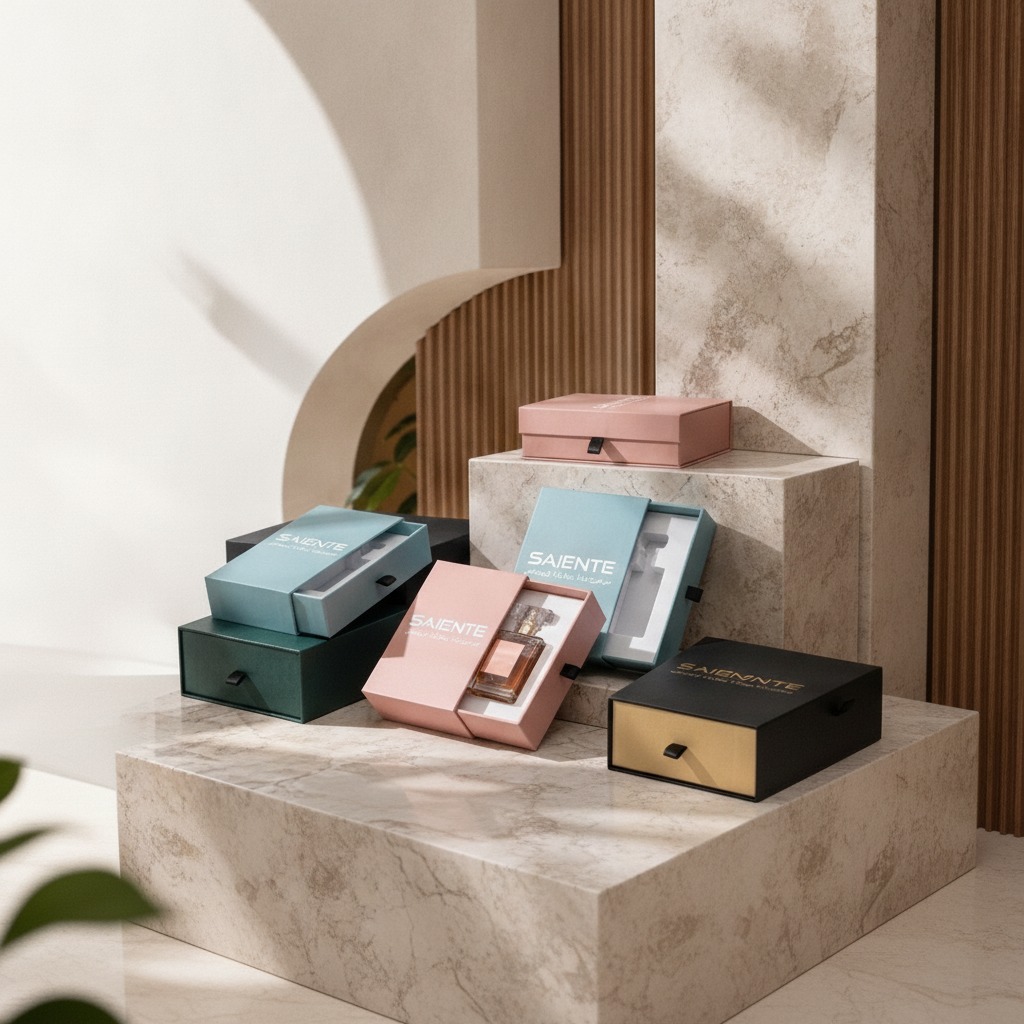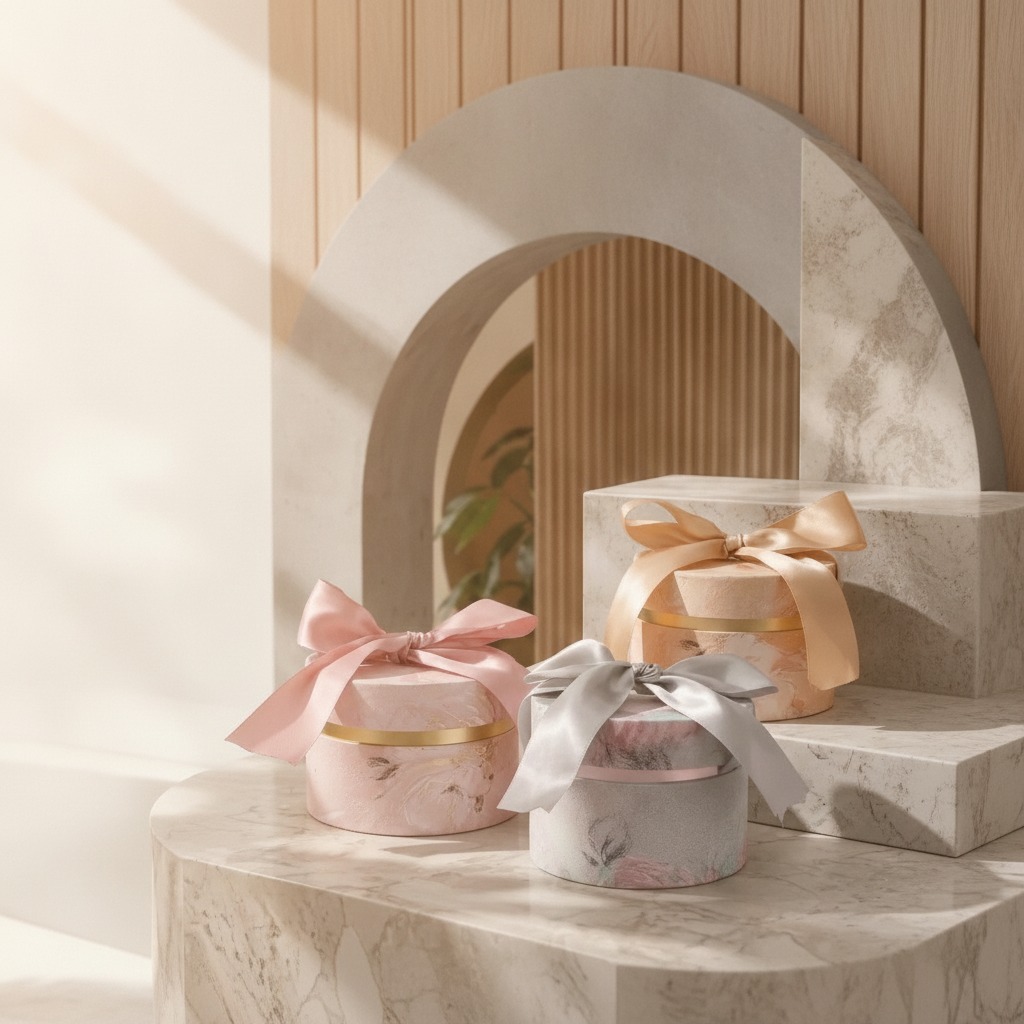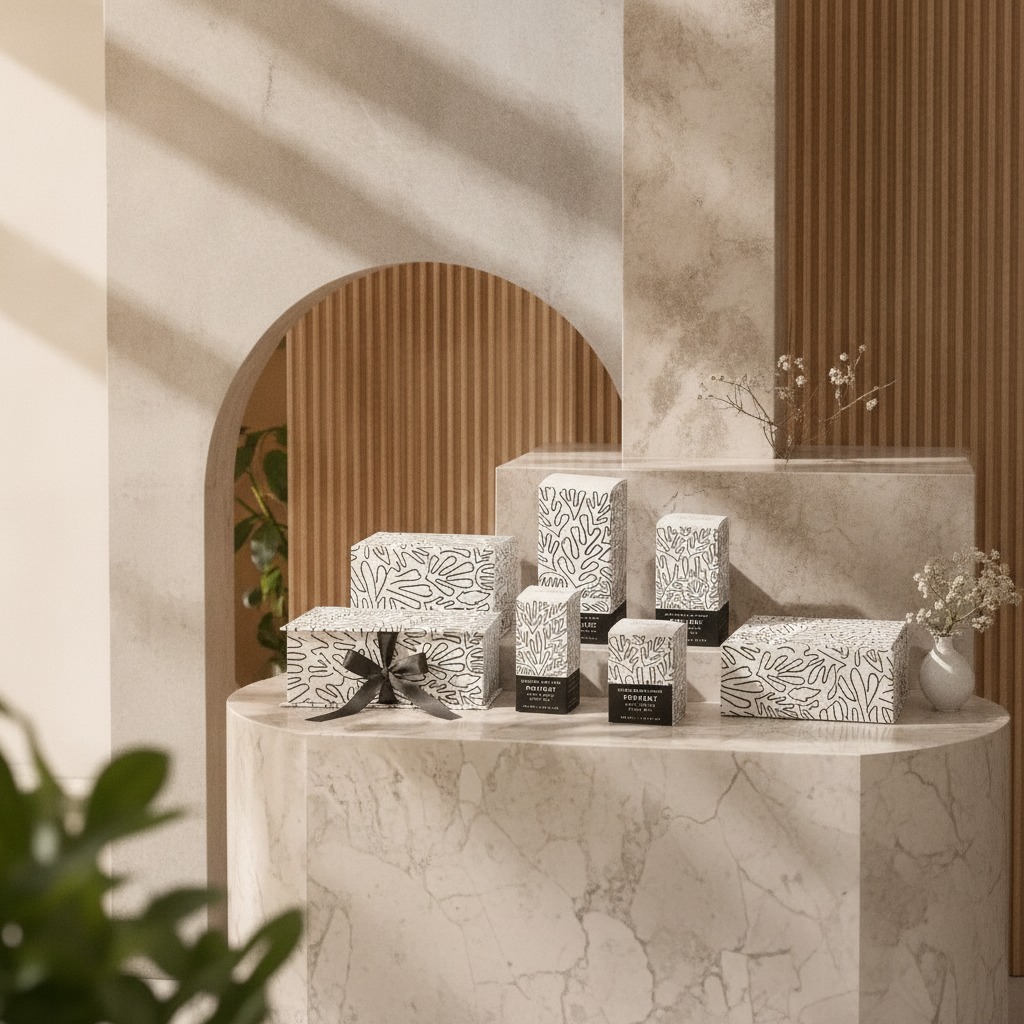
When a customer approaches a fragrance counter, the olfactory journey begins long before the atomizer is pressed. The tactile weight, the crispness of a seam, and the measured resistance of a lid sliding open form the critical opening chapter of that experience. Sourcing a perfume box is rarely just about containing a glass flacon; it is a mechanical and sensory engineering task where structural stability meets prestige branding. For brand developers and procurement leads, selecting the right secondary packaging format dictates whether a bottle arrives intact at an e-commerce doorstep or commands attention under harsh boutique spotlights.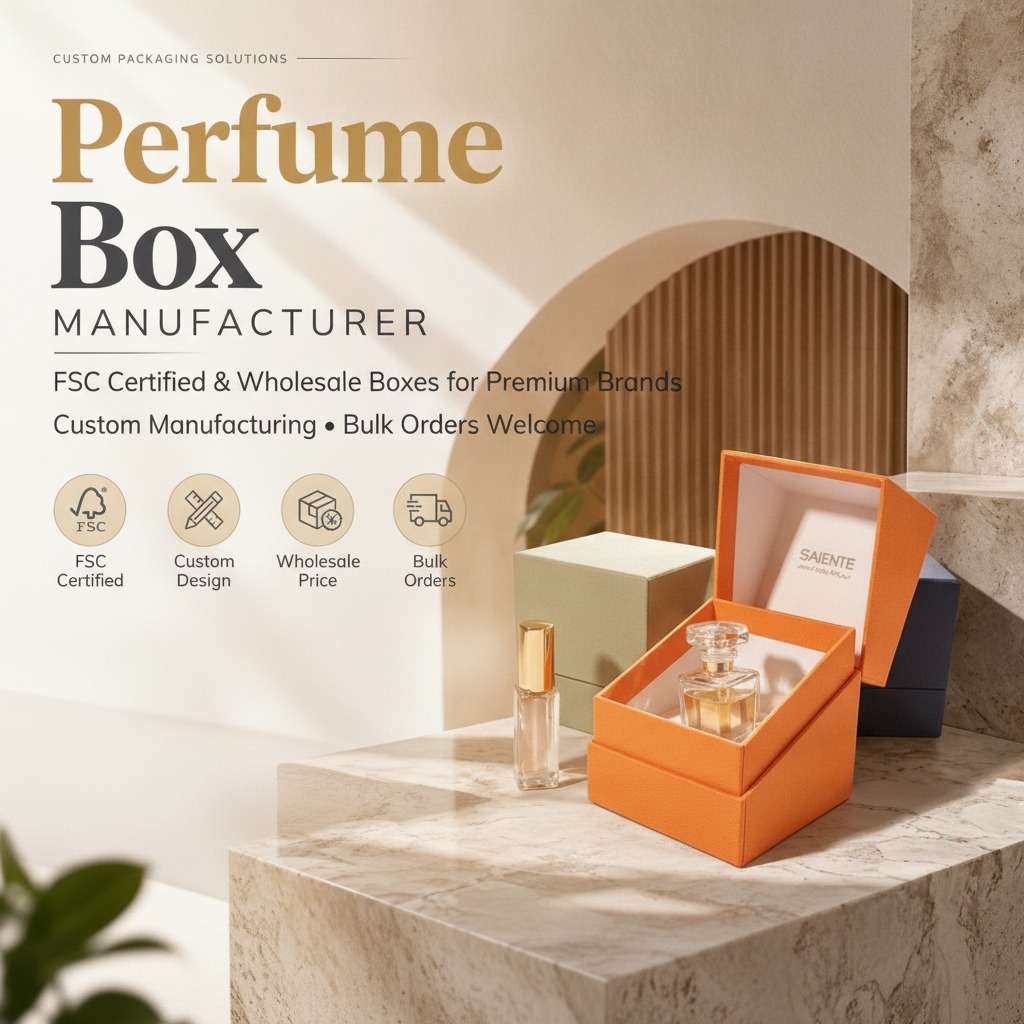
The Anatomy of a Rigid Setup Perfume Box
Unlike folding folding cartons shipped flat, rigid setup boxes provide an unyielding chassis built from dense greyboard wrapped in tailored papers. When executed properly, the box carries a deliberate physical presence. The corners are sharp and true, the exterior wrap hugs the substrate without bubbling or glue telegraphing, and the base creates a secure pedestal for the glass.
In high-end fragrance lines, two-piece structures dominate the presentation landscape:
- Deep Base and Telescoping Lid: A two-piece configuration where the lid envelops either the entire base or seats flush against an internal neck. Lifting the lid generates a brief, elegant vacuum release that slows down the reveal.
- Textured Exterior Wraps: Rather than relying solely on smooth coated sheets, brands often specify specialty papers featuring cross-hatch, saffiano, or linen textures. These tactile surfaces resist handling marks and provide an organic, premium grip that flat print cannot replicate.
- Interior Architecture: A bespoke custom perfume box frequently treats the inside of the lid as prime real estate. Revealing an interior liner panel printed with house crests, perfumer notes, or contrasting hues turns the physical interior into a deliberate brand frame.
Engineering Protection: Inserts and Bottle Stability
A luxury perfume box must perform under adverse logistics conditions. Perfume glass is notoriously heavy, frequently top-heavy, and crowned with faceted caps or fragile spray stems that snap if subjected to lateral shocks. The insert inside a perfume packaging box is not decorative filler; it is an engineered shock absorber.
Suppliers generally engineer these cavities using die-cut foam, flocked thermoformed trays, or molded pulp liners. The tolerance around the bottle shoulder and cap must be exacting. A tolerance that is even two millimeters too wide allows the flacon to shift, rubbing the wrap paper raw or cracking the interior lining during parcel transit. If your line includes multiple formats—such as a 100 ml hero bottle flanked by a 10 ml travel rollerball for a perfume gift box—the insert must balance both weights so neither bottle shifts off-axis when the package is tilted.
Material Selection: Visual Tone and Surface Finishes
The choice of outer wrap alters the entire character of your perfume packaging. A deep navy or slate wrap conveys clinical or heritage masculine notes, while a muted sage green or earthy warm tone evokes botanical profiles. A saturated, warm orange wrap paired with high-definition micro-embossing establishes a vibrant, modern niche presence.
When evaluating sample swatches, inspect how the wrap paper behaves around the turned edges at the bottom of the base. Poorly calibrated wrap tension results in visible white greyboard peeking through at the stress points, particularly on dark dyed sheets. For custom runs, verify whether your supplier uses solid-dyed core paper (pulp-dyed) or surface-printed sheets, as solid-dyed paper ensures that scuffs during retail handling do not reveal contrasting raw fiber beneath.
Sourcing Realities: Verifying Claims Before Production
Translating an approved digital proof into thousands of finished units involves practical manufacturing risks that sourcing managers must navigate directly:
- Sustainability Claims: If a vendor touts an FSC-certified box, do not settle for an eco-badge graphic on their sales sheet. Request the supplier's active FSC Chain-of-Custody (CoC) certificate number to confirm that the board and paper supply chains are genuinely audited.
- Insert Compatibility: Alcohol-based fragrances will eventually weep or leak if a crimp pump fails slightly. Ask your packaging manufacturer how their insert materials react to solvent exposure, particularly if you are considering flocked plastics or coated white foam that may discolor when exposed to fragrance oils.
- Structural Testing: Never sign off on bulk tooling without receiving a white sample (an unprinted physical structural mock-up) containing your exact production bottle, filled with liquid to mimic actual mass. Conduct your own drop checks before approving wrap printing.
Frequently Asked Questions
What makes a rigid setup box better suited for fragrance than a standard folding carton?
While folding cartons save freight space and unit cost, they lack the wall rigidity needed to protect heavy decorative glass bottles. Rigid boxes use heavy greyboard that absorbs compression forces in transit and provides the substantial hand-feel expected in premium retail tiers.
Can one rigid box structure accommodate both retail presentation and direct-to-consumer shipping?
Yes, provided the interior fitment is engineered tightly. However, the outer textured paper must be shielded. For direct-to-consumer fulfillment, a rigid box should always slip into a close-fitting corrugated shipper sleeve or mailer to prevent corner scuffing during postal handling.
What should I confirm with a packaging supplier before issuing a purchase order?
Clarify the exact greyboard weight or caliper, wrap paper basis weight, precise insert material specifications, and the method of shipping the empty boxes (nested versus individually bagged). Confirming whether samples are created on production tooling or cut via prototyping plotters will also prevent fit discrepancies down the line.
Moving from Concept to Spec Sheet
Balancing sensory finish with reliable protection requires candid technical alignment with your manufacturing partner. Gather your container dimensions, calculate the filled bottle weight, and establish clear aesthetic targets for texture and interior liners before requesting production quotes. If you are preparing an upcoming fragrance launch or revamping an existing product line, begin by requesting physical paper wraps and unprinted structural dummies to validate the bottle fit firsthand.