When a customer reaches for a fine fragrance on a boutique counter or lifts it from a courier parcel, the tactile journey begins well before the first spritz atomizes in the air. A properly engineered perfume box does more than merely enclose a fragile glass flacon; it creates a ceremonial cadence. In the fragrance trade, where liquid contents cost pennies per milliliter compared to the retail price tag, the secondary packaging shoulders the immense burden of conveying prestige, origin, and craftsmanship. Fragrance founders and procurement managers face a critical balancing act: engineering a vessel that withstands global distribution without forfeiting the sensory refinement that justifies a three-figure price point.
The Architecture of the Slide-Out Rigid Drawer
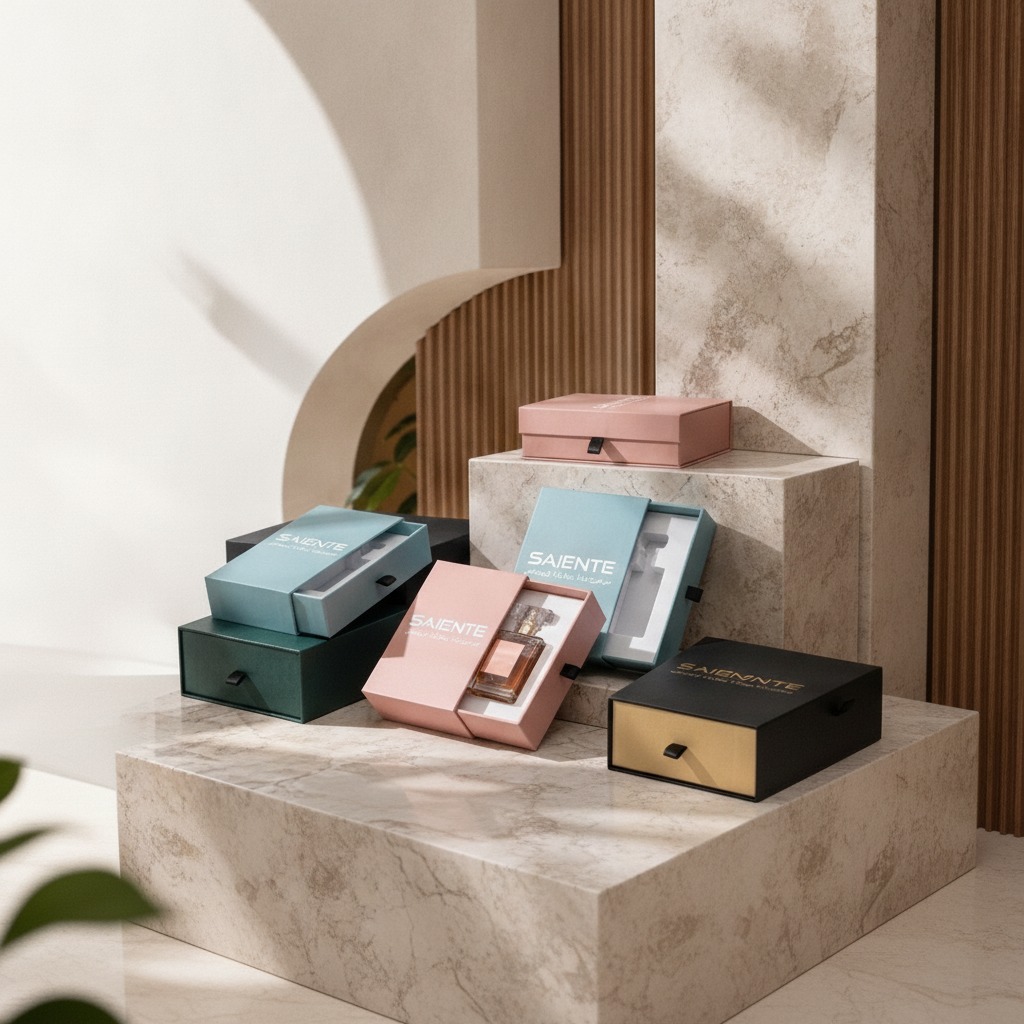
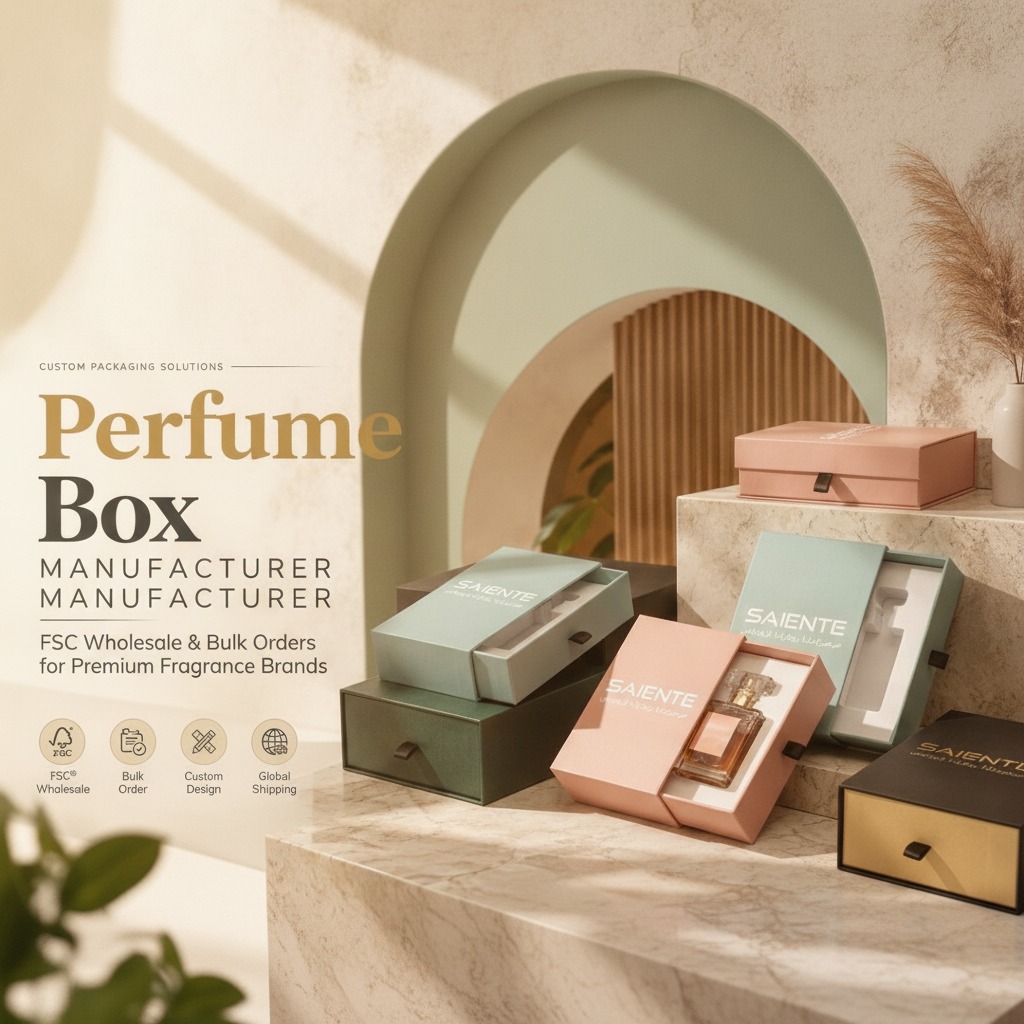
Among various rigid formats, the drawer-style setup box—often referred to as a matchbox or slide-out rigid pack—has emerged as a staple for high-concept launches and limited seasonal editions. Unlike standard folding cartons that can feel light or vulnerable, a drawer box relies on a dense greyboard skeleton wrapped in dyed specialty papers or coated stocks. The structure consists of two primary elements: an exterior three- or four-sided sleeve and an interior tray that slides horizontally along the chassis.
The visual rhythm of this layout is immediate. As the drawer emerges, usually guided by a neatly anchored grosgrain or satin ribbon pull tab, it slowly reveals the glass bottle resting inside. The friction between the inner tray and outer wrap creates an intentional resistance—neither sticking stubbornly nor dropping free under its own weight. Producing a consistent luxury perfume box requires exacting dimensional tolerances; even a half-millimeter discrepancy in board thickness or paper wrap tension can result in a drawer that binds during humid seasons or rattles during transit.
Surface Aesthetics: Matte Textures and Gilded Typographies
A striking custom perfume box speaks through its finishes. Modern fragrance trends lean toward saturated, low-sheen palettes: muted blush pinks, dusty powder blues, and deep forest greens, countered by stark, velvety blacks. These surfaces, whether achieved through dyed-through uncoated specialty papers or soft-touch matte lamination, offer an understated elegance that resists fingerprint marks under bright retail lighting.
Branding on these rigid surfaces typically relies on high-contrast printing or metallic embellishments. Hot foil stamping—pressing metallic foil under heat into the wrapped board—creates an indented, light-catching mark. A gold foil crest against a midnight-black or dark green background provides an unmistakable tactile groove beneath the thumb. For contemporary unisex and regional ranges, crisp white screen printing or offset typography produces sharp, legible lines across colored sleeves.
Furthermore, international market expansion demands bilingual versatility. Brands targeting regional corridors such as the Gulf Cooperation Council (GCC) frequently incorporate fluid Arabic calligraphy alongside Latin typography. Positioning complex, flowing script onto a rigid sleeve requires meticulous die-making and registration control, ensuring fine ligatures and diacritics do not bleed or bridge during foil application.
Fitments and Interior Protection: Anchoring the Flacon
A secure perfume packaging box is only as good as the internal cavity that shelters the bottle. Glass flacons are heavy, slick, and often paired with faceted metallic or resin caps that shift center-of-gravity toward the collar. If an insert yields during transit, the bottle collides against the box walls, potentially scuffing decorative coatings or snapping the pump stem.
Manufacturers generally employ three primary fitment approaches within drawer boxes:
- High-Density EVA Foam: Often capped with a velvet or printed card top layer, EVA delivers shock absorption and crisp, laser-cut or die-cut profiles that grip the perimeter of the bottle firmly.
- Paperboard Platforms: Folded kraft or greyboard frames offer a fully recyclable monomaterial construction, though they provide less progressive cushioning for unusually heavy, artisanal glass bases.
- Custom Molded Pulp: An increasingly viable route for eco-conscious fragrance lines, molded fiber can be contoured cleanly to complex bottle geometries while presenting an organic, textural unboxing experience.
Structural Comparison: Drawer Boxes vs. Alternative Packaging Formats
Deciding whether a drawer format suits your fragrance collection depends heavily on positioning, logistics, and retail environment. The table below outlines operational trade-offs for consideration during early structural development.
| Packaging Style | Unboxing Experience | Assembly & Packing Speed | Shipping Volume Efficiency | Best Application |
|---|---|---|---|---|
| Rigid Drawer (Slide-Out) | High; horizontal reveal creates deliberate reveal ritual. | Moderate; manual insertion into pre-assembled sleeves. | Bulky; ships fully assembled, requiring higher pallet cube. | Signature releases, eau de parfum lines, gift sets. |
| Lift-Off Lid (Shoulder Box) | Classic; vertical separation of lid from base chassis. | Moderate; two-piece handling on packing lines. | Bulky; ships rigid and assembled. | Heritage collections, extraits de parfum, coffrets. |
| Folding Tuck-End Carton | Basic; top-flap opening with low tactile resistance. | Fast; easily integrated into automated cartoners. | High; ships completely flat, minimizing freight costs. | Entry-level lines, mass retail, discovery vials. |
Procurement Pitfalls: What Sourcing Teams Overlook
When negotiating a perfume box wholesale contract, manufacturing issues can emerge if key variables are left unspecified in initial engineering drawings:
Paper Grain and Joint Cracking: Folding specialty papers around rigid greyboard edges requires precise scoring. If the paper grain runs parallel to the wrong axis, or if the board is wrapped without sufficient adhesive flexibility, the exterior wrap can split along sharp corners, exposing raw grey fiber beneath. This is especially noticeable on dark matte papers.
Ribbon Anchor Integrity: The ribbon tab on a drawer unit bears repetitive tension. If it is merely glued between the interior tray board and the lining sheet without adequate mechanical anchoring or cross-hatch bonding, repeated pulling by eager customers or retail staff will pull the ribbon clean out of the assembly.
Environmental Claims vs. Certifications: Brands frequently request FSC-certified materials to satisfy corporate sustainability mandates. However, asserting FSC compliance on marketing collateral requires verification of the converter's chain-of-custody documentation. Procurement teams must request certified track records rather than assuming every standard greyboard or specialty wrap automatically carries certified provenance.
Volumetric Freight Impact: Rigid drawer units cannot be collapsed flat for international transport. You are effectively shipping encased air. For offshore production runs, calculate ocean container cubic meters (CBM) early; unexpected sea freight or warehousing surcharges can swiftly erode margin expectations.
Frequently Asked Questions
Can drawer boxes be repurposed as a promotional perfume gift box?
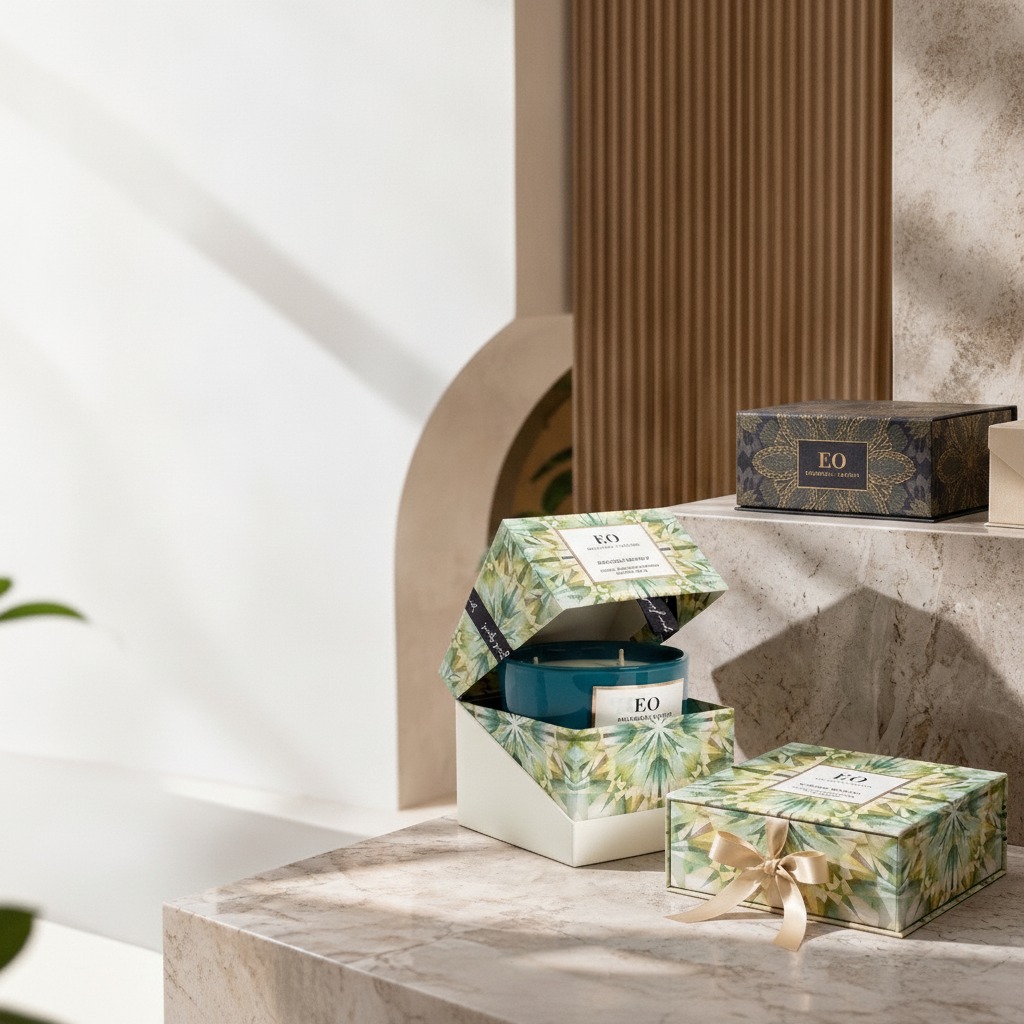
Yes. By broadening the inner tray dimensions, brands can engineer multi-cavity inserts that accommodate an eau de parfum bottle alongside a travel atomizer or scented candle, transforming the unit into a high-perceived-value perfume gift box for holiday or corporate gifting programs.
What prevents the inner drawer from sliding out during rough handling?
Manufacturers balance the friction between the exterior sleeve and inner tray by calibrating millimeter clearances. Some designs incorporate concealed miniature magnets in the rear wall of the sleeve and the back of the drawer, locking the unit shut until an intentional tug on the pull tab disengages it.
How do we ensure foil stamping aligns cleanly across multilingual branding?
Bilingual layouts combining Latin typography with Arabic script require separate vector treatments to ensure uniform pressure across fine calligraphic flourishes and bold block lettering. Always demand a pre-production struck proof on the exact wrapped substrate to confirm foil definition and line weight before committing to mass production.
Final Steps for Fragrance Sourcing Teams
Before releasing final packaging artwork or committing capital to high-volume manufacturing runs, validate the physical interaction between your bottle and the box structure. Request a functional white-box sample built from your intended greyboard density, insert cutouts, and ribbon mechanics. Drop-test the prototype with a liquid-filled glass flacon installed to ensure the insert holds, the corners resist impact, and the drawer glides effortlessly under real-world conditions.