Why a perfume box matters more than it looks
A perfume box does a job that is easy to underestimate until you see a damaged bottle, a dull shelf display, or a sample kit that feels cheap before it is even opened. For fragrance brands, the packaging is part protection, part sales tool, and part brand theater. A well-made perfume box gives a bottle the right amount of structure, keeps inserts aligned, and sets the tone before a customer smells anything.
That is especially true for premium fragrance launches, discovery sets, and gift-ready retail packaging. The box is not just a shell. It shapes how the product is handled, how it survives shipping, and how customers remember the unboxing. If the presentation feels solid and deliberate, the fragrance starts with an advantage. If it rattles, crushes, or looks generic, the product has to work harder to recover the moment.
What this type of packaging is designed to do
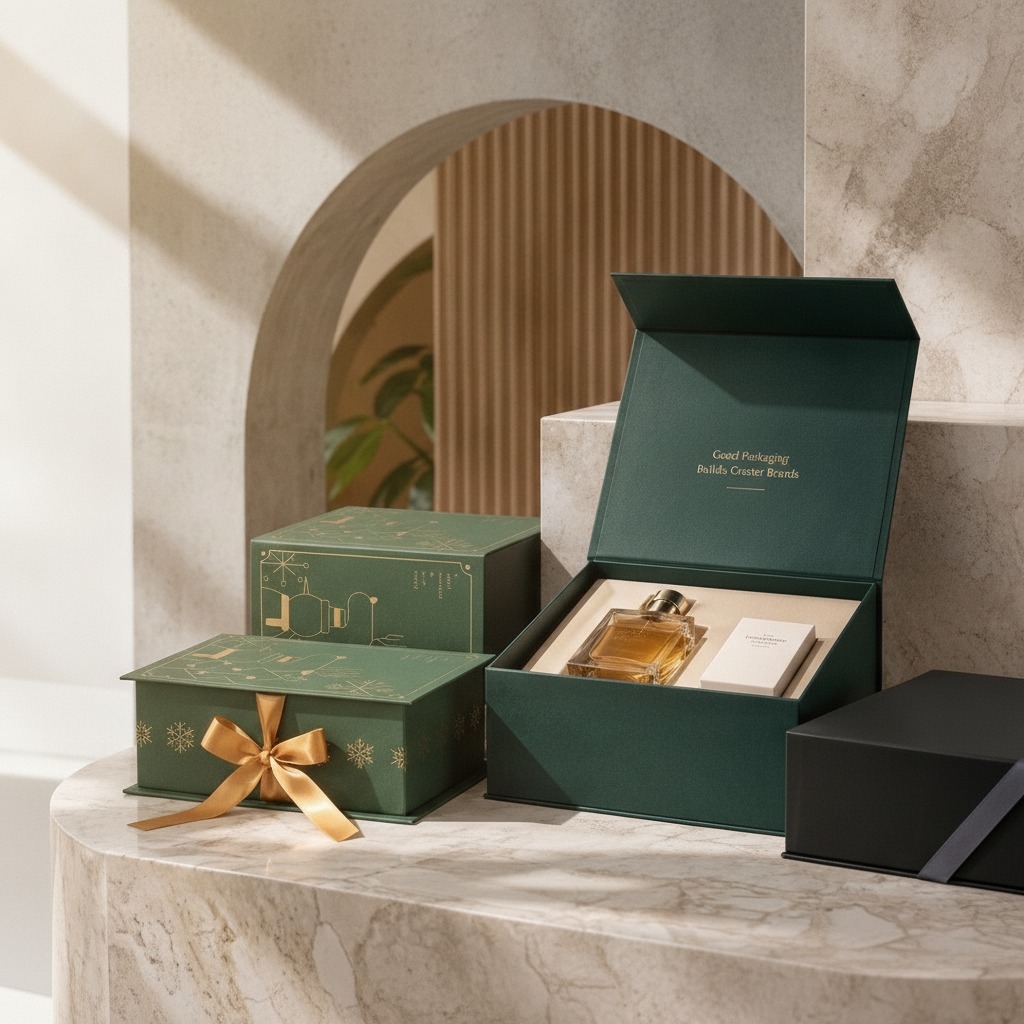
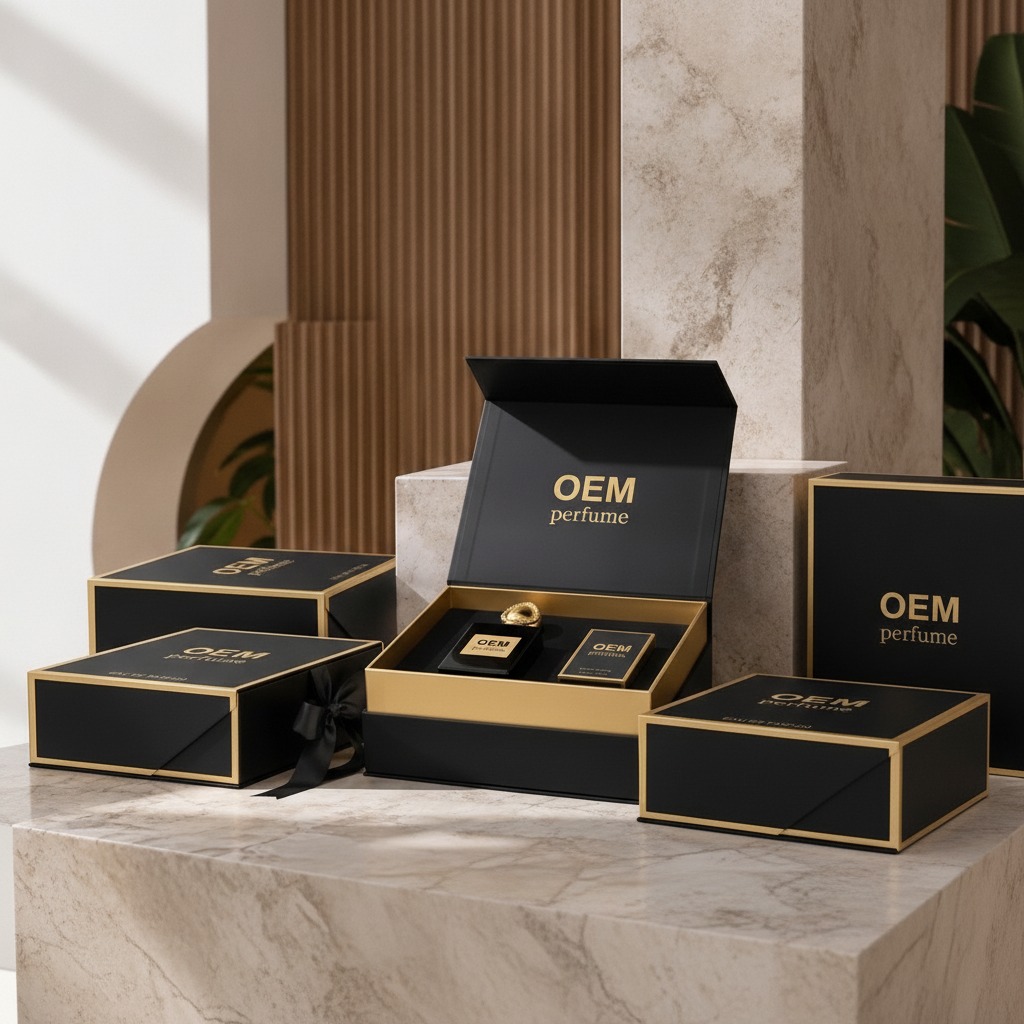
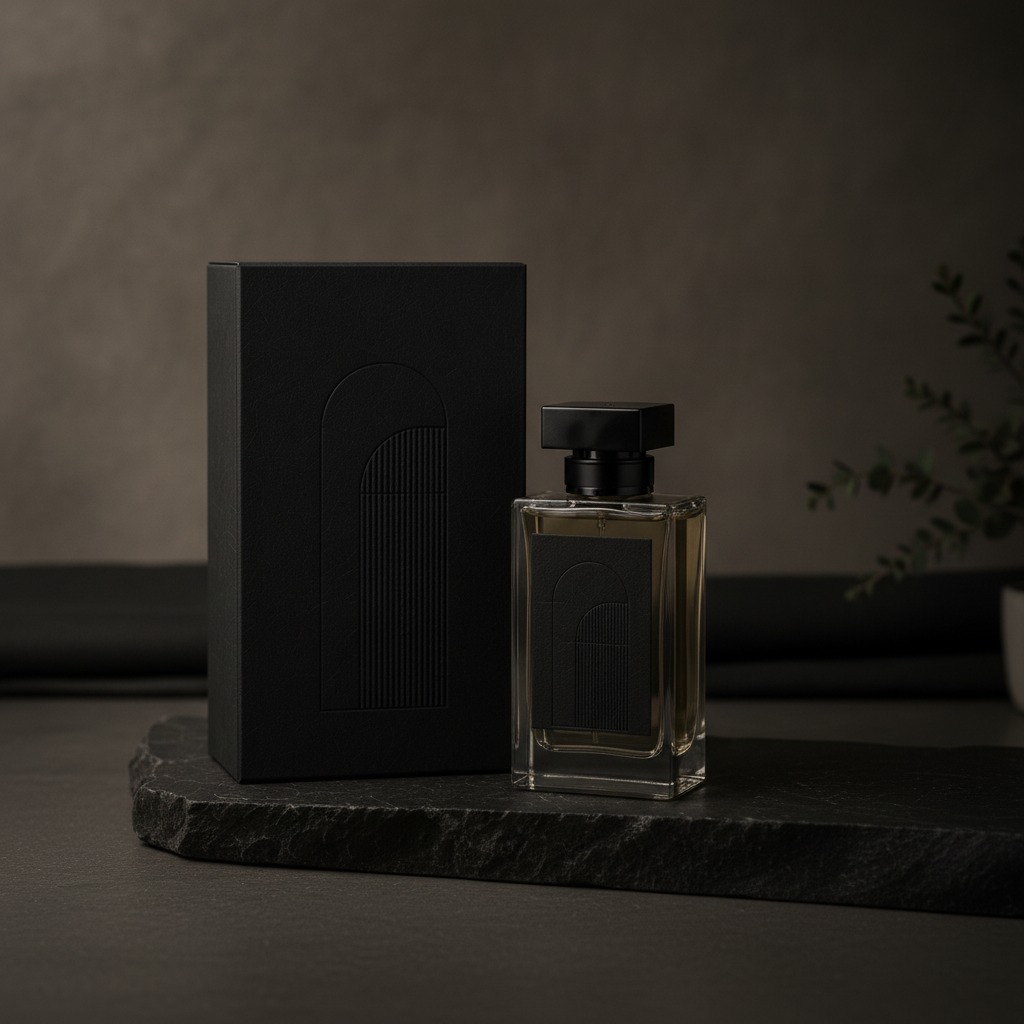
The rigid fragrance packaging set described here is built around a full-size bottle and a matching insert tray. Some versions hold a single bottle; others include narrow cavities for sample vials, which makes them useful for discovery kits, PR mailers, and counter displays. The black-and-neutral palette gives the box a restrained, upscale look, while the embossed or debossed line-art panel adds a quiet branded detail rather than a loud graphic.
The visible construction suggests rigid paperboard or chipboard rather than a soft folding carton. That matters. Rigid boxes carry a more substantial feel in hand, keep their edges clean, and usually hold their shape better during transit and shelf handling. For a luxury perfume box, that heft is part of the appeal. Buyers often read it as quality before they ever inspect the bottle.
Quick reference: when to use each style
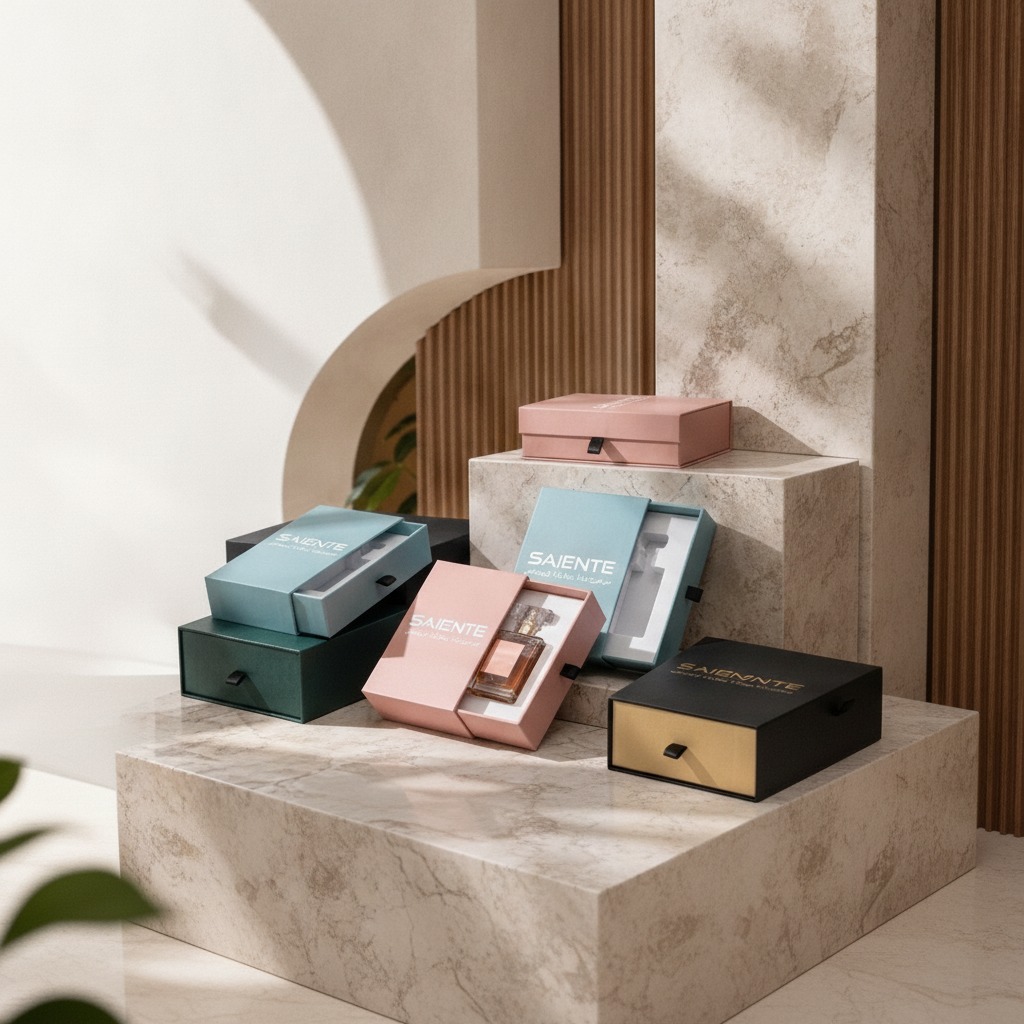
Not every fragrance line needs the same packaging format. A retail hero product may suit a square, presentation-style perfume packaging box with a deep fitted tray. A limited-edition set may work better in a book-style or clamshell opening that creates a slow reveal. A sample collection may need multiple narrow slots to keep vials upright and separated. In practice, the structure should follow the selling moment.
If the box is for gifting, the opening experience matters. If it is for logistics, protection comes first. If it is for a subscription or discovery set, consistency across each cavity is the real concern, because rattling vials look careless and can also be hard to organize on the fulfillment line.
Selection criteria buyers should not skip
When comparing a custom perfume box, the first question is fit. The bottle cavity should hold the glass securely without forcing it in or leaving it loose enough to shift. A good insert is not just a decorative tray; it is a control point for the whole package. The second question is surface finish. Matte, soft-touch, or textured surfaces tend to read as premium, but they can also show scuffs differently, so samples should be handled before approving a run.
Branding details matter too. An embossed or debossed panel can carry a logo elegantly, especially on a minimal fragrance box where restraint is part of the visual language. But the design has to be readable at normal viewing distance. Too much texture in one area can flatten the logo and reduce contrast. That is a small issue on a concept board and a bigger issue on a retail shelf.
Practical warning for sourcing teams
Do not approve packaging from a render alone. Rigid boxes and die-cut inserts can look perfect on screen and still create problems in real assembly, especially around bottle necks, vial spacing, and closure alignment. Ask for an actual sample or pre-production prototype if the fragrance bottle shape is unusual. A few millimeters can decide whether the bottle sits firmly or arrives with scrape marks on the inner tray.
Common mistakes that make premium packaging feel ordinary
The most common mistake is overdesigning the exterior and underthinking the interior. A luxury perfume box can have a beautiful lid and still fail if the insert feels loose or the product is exposed too much when opened. Another issue is choosing a finish that looks expensive in one lighting condition and flat in another. Fragrance packaging is often photographed, displayed under store lighting, and handled in homes, so the surface has to perform in multiple settings.
Brands also sometimes forget that repeat handling is part of the life of the box. A gift box may be opened and closed more than once. A sample set may be carried in a bag or mailed across regions. Rigid construction helps, but only if the tabs, lid fit, and tray depth are all coordinated.
What the visible design tells us about use cases
This style of packaging fits several commercial scenarios. It suits premium fragrance launches where the box is part of the first impression. It also fits sampler programs, where a fragrance box needs to hold multiple vials in a tidy, presentation-focused layout. For essential-oil-style products or cologne lines, the same basic structure can be adapted if the bottle geometry and branding style are similar.
The advantage is flexibility. A brand can use one packaging family across hero SKUs, gift editions, and discovery kits while varying the colorway or insert layout. That helps build recognition without making every release look identical.
Buyer advice before you place an order
Before sourcing a custom perfume box, define the bottle shape, the insert layout, and the expected use case. Retail shelf packaging, a perfume gift box, and a PR mailer are related needs, but they are not the same problem. Share the bottle drawings if you have them, check how the closure opens, and confirm whether the inside should protect one bottle or several sample pieces.
If your brand depends on a strong unboxing moment, pay attention to the tray depth and the way the lid reveals the product. That moment carries more weight than many teams expect, especially in fragrance, where image and memory do a lot of the selling. A well-planned fragrance box can help a product feel finished before the first spray.
What to ask your packaging supplier next
Ask for structure samples, insert options, and finish swatches. Confirm whether the box is built as a rigid presentation style, a hinged lid, or a book-style opening, since those details affect both appearance and packing workflow. If the product line includes multiple bottle sizes or sample vial sets, request a modular approach so the packaging can scale without redesigning everything from scratch.
That is usually where the best projects start: with a clear bottle profile, a realistic shipping scenario, and a box that supports both the product and the brand story. In fragrance, that combination is rarely accidental.