Why a perfume box does more work than people think
A perfume box is not just a sleeve around a bottle. In fragrance, the carton is often the first hard proof that a brand is serious about presentation, protection, and the unboxing moment. Buyers notice that immediately, even if they never say it out loud. A weak carton can make a premium fragrance feel forgettable; a well-made one can make a modest formula look far more considered.
That matters because fragrance is a crowded category. Whether you are launching a signature scent, building a seasonal gift line, or sourcing packaging for oud and oil collections, the packaging has to do several jobs at once: hold the bottle securely, look polished on a retail shelf, and carry the right emotional tone. For many brands, the decision is not simply “box or no box.” It is whether the packaging feels like a perfume packaging box, a luxury perfume box, or something closer to a reusable gift presentation.
What the product style tells buyers at a glance
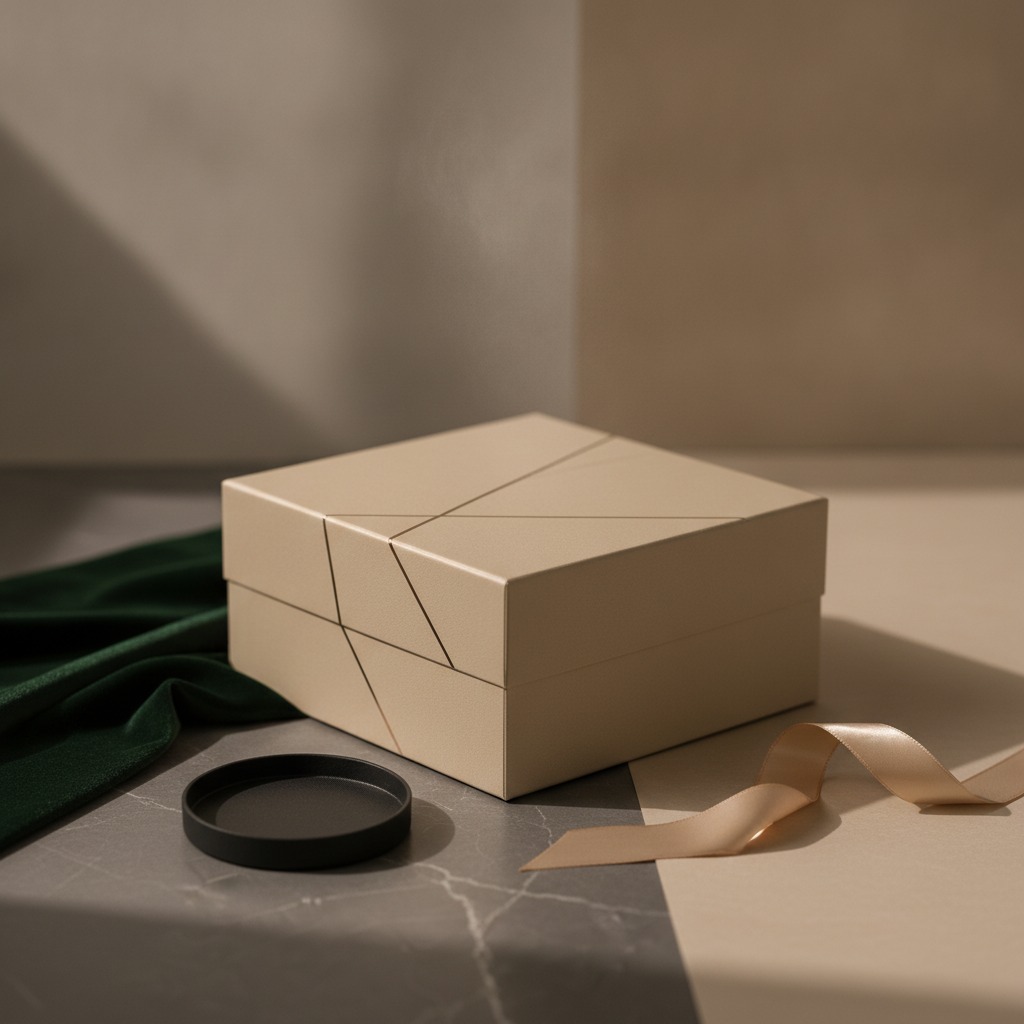
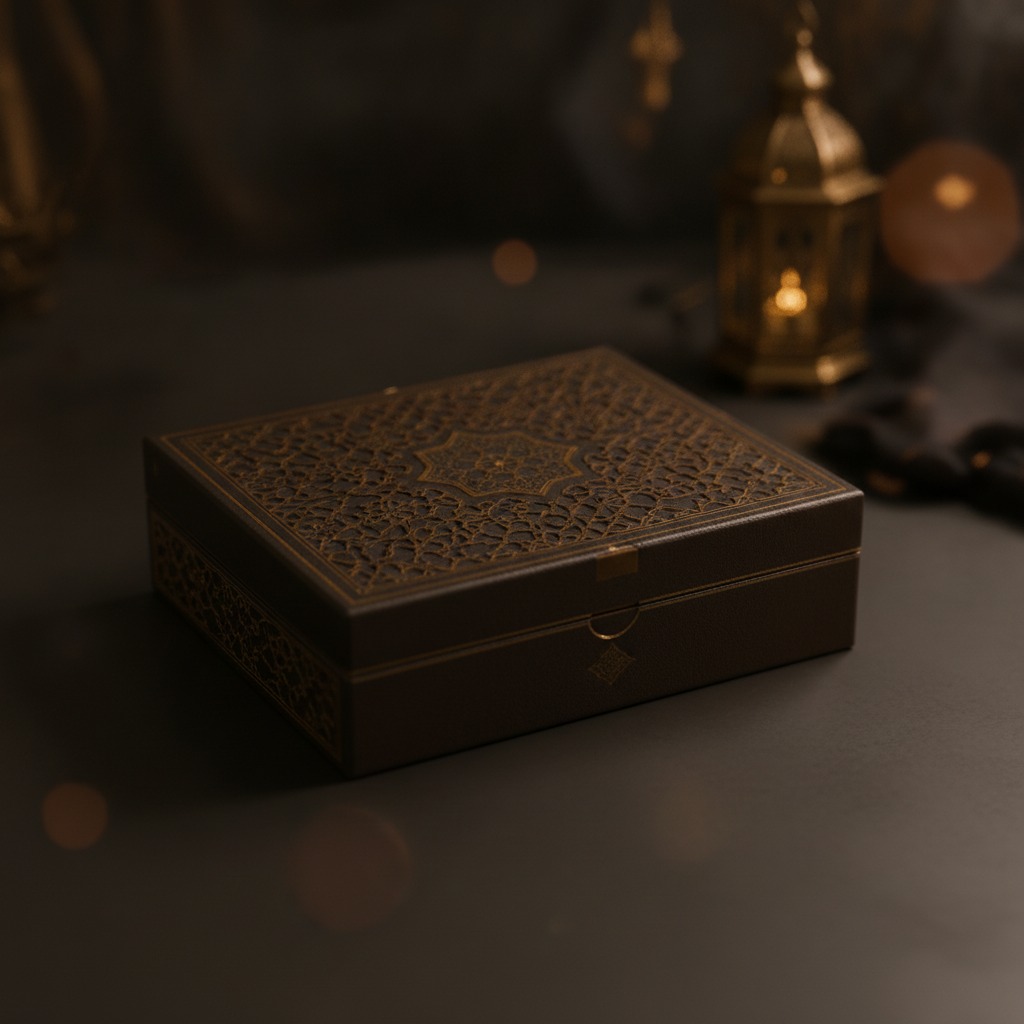
The boxes described here sit in the rigid gift-box category. That usually means chipboard or rigid paperboard construction rather than a soft folding carton. The visual effect is sturdier, more substantial, and better suited to premium fragrance and gifting. Several versions appear to use lid-and-base structures, while others lean into hinged or book-style openings with a magnetic flap feel. That kind of opening changes the customer experience immediately. It slows the reveal, which is often exactly what fragrance brands want.
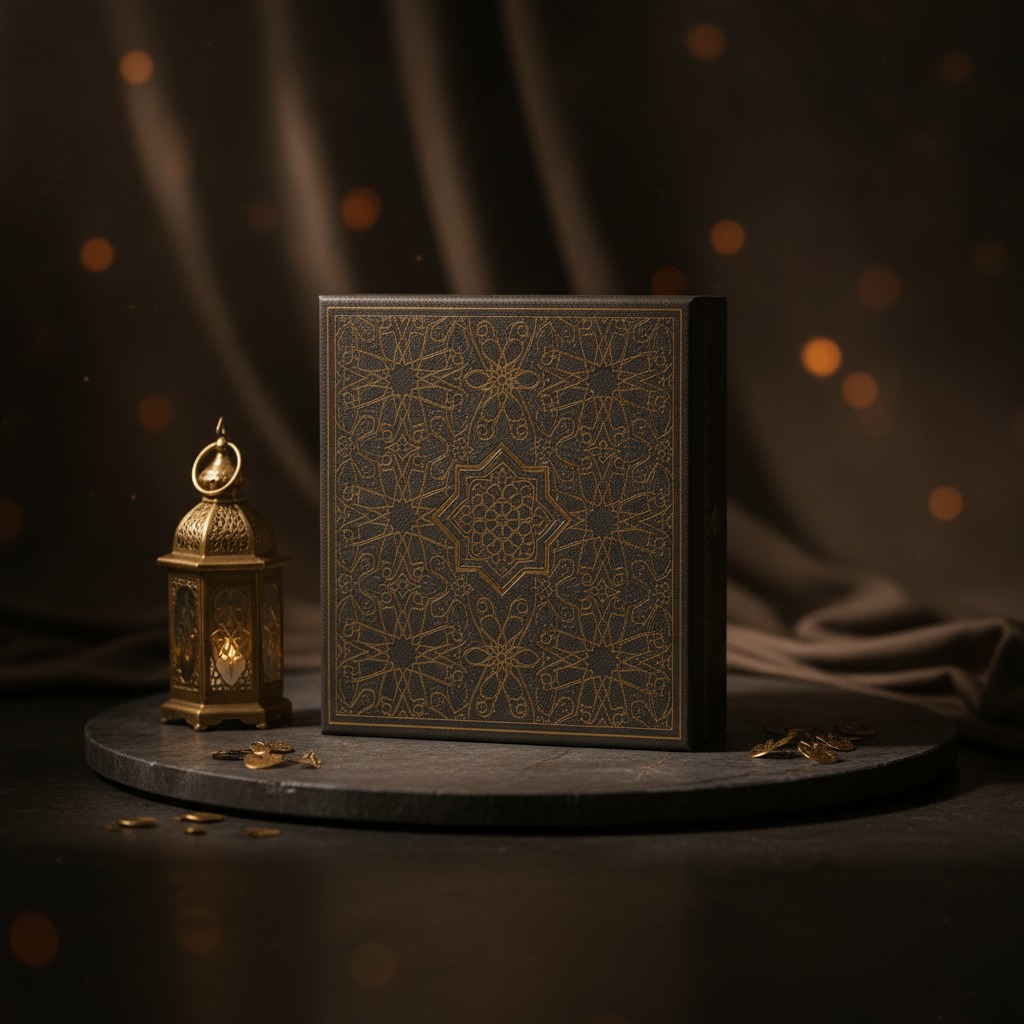
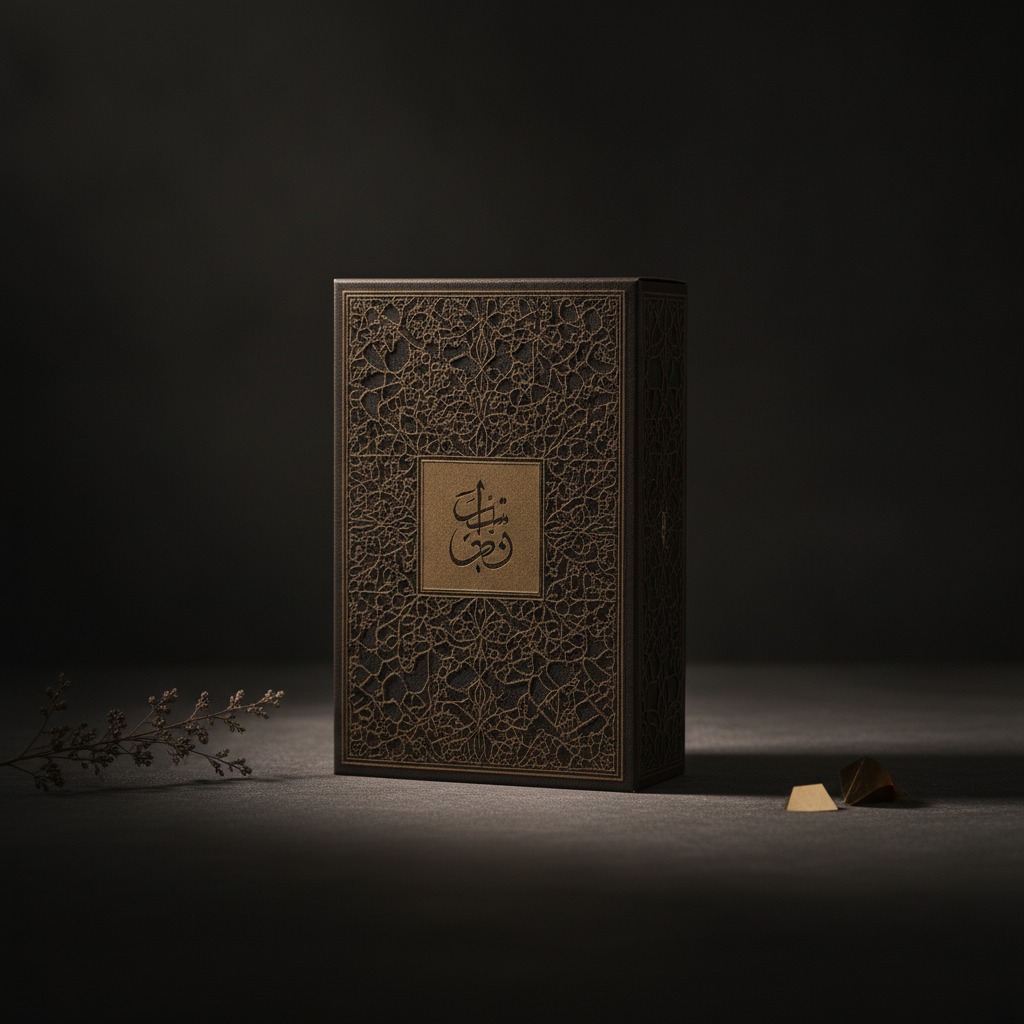
The visible finishes are varied: matte dark tones, cream, green, and navy surfaces, plus decorative printing in gold foil-style motifs, crescent and moon imagery, mosque-inspired artwork, and border patterns. Some cartons are restrained, leaving a clean branding area; others are unapologetically ornate. That spread is useful because perfume is rarely one market. A minimalist niche scent, a Ramadan launch, and a bridal gift set do not need the same visual language.
How inserts change the packaging from decoration to protection
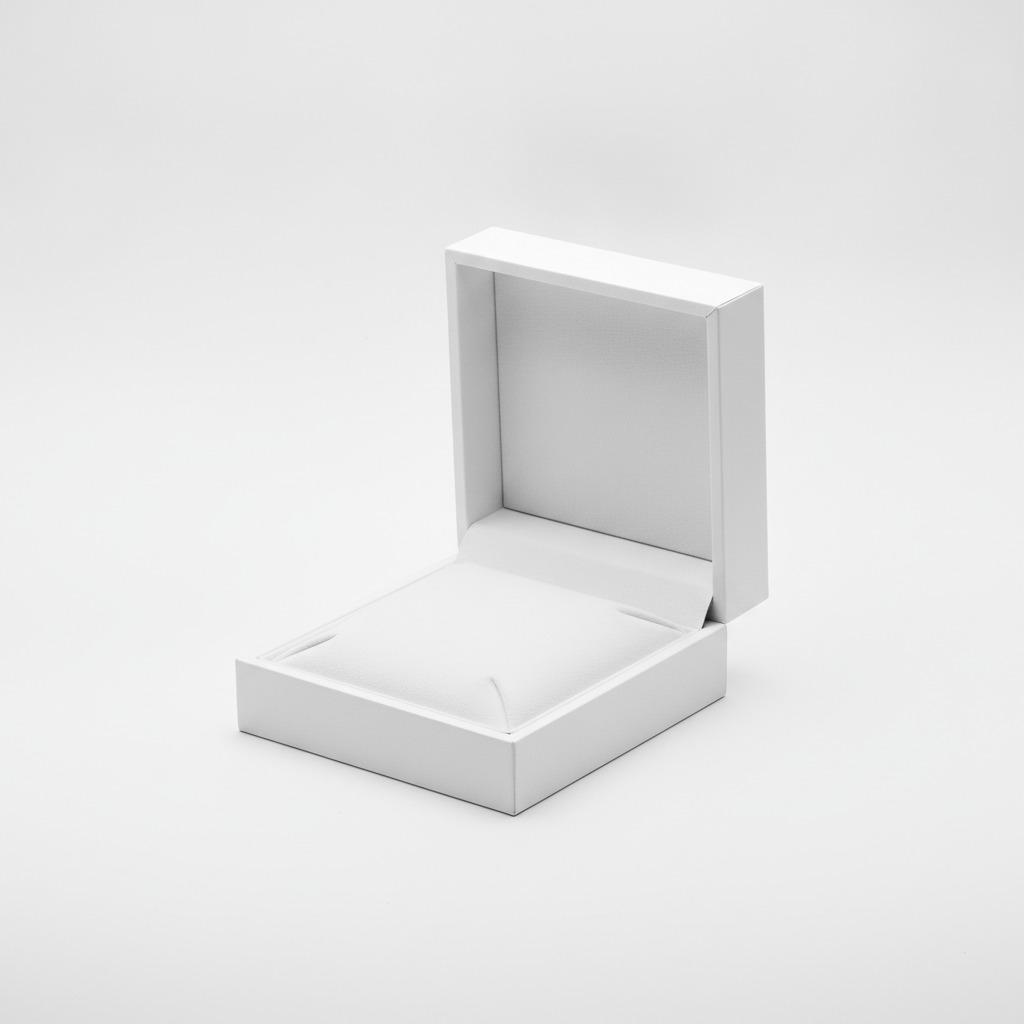
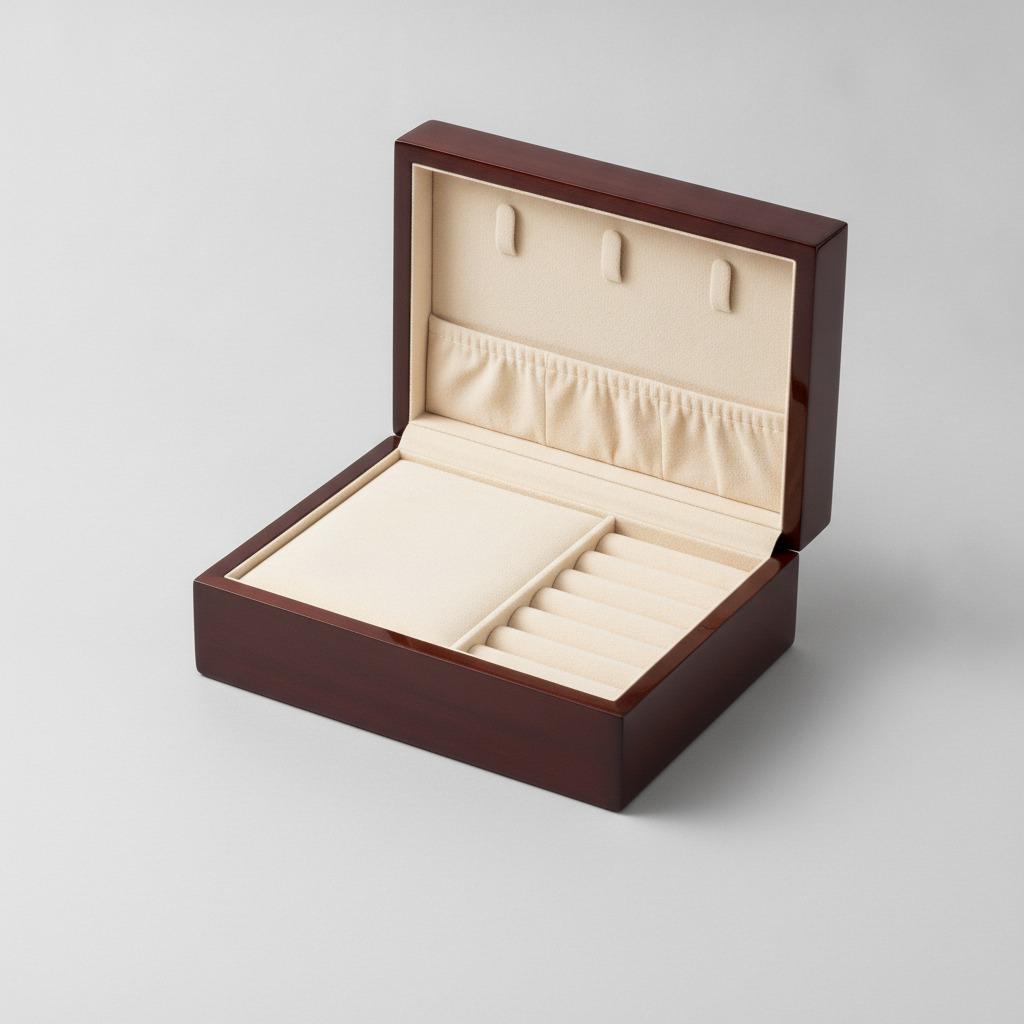
The real unsung feature is the insert. A pretty carton without a fitted interior is a liability. The images show internal trays or foam-like supports that hold bottles upright and reduce movement. That matters more than it sounds. Glass fragrance bottles are unforgiving in transit, and even a tiny amount of rattle can lead to scuffing, chipped caps, or a package that feels cheap before it is even opened.
For buyers comparing options, the main question is not just what the exterior looks like. It is whether the insert matches the bottle geometry, the bottle count, and the closure style. The supplied designs suggest 1-bottle, 2-bottle, 3-bottle, and multi-bottle configurations. That makes the format suitable for sample kits, pairing sets, and gift bundles. If you are sourcing a custom perfume box for a line that changes seasonally, flexibility in insert layout is often more valuable than one perfectly optimized size.
When decorative packaging is the right move
A perfume gift box is usually the right choice when the product is being given, not merely purchased. That can include Eid and Ramadan collections, ceremonial gifts, hospitality sets, bridal favors, and premium retail launches. In those settings, the carton is part of the product value, not an afterthought.
There is a caveat, though. Decorative packaging can drift into excess if the design language is not controlled. Heavy ornamentation, dark metallics, and large graphic motifs can look rich in the mockup but feel crowded in the hand. Brands should keep one eye on shelf impact and another on readability. If the logo disappears under the artwork, the packaging may be doing too much on the surface and too little for the brand.
Selection criteria that matter in sourcing
When evaluating perfume packaging boxes, sourcing teams usually need to pin down a few practical details early:
1. Bottle fit
The insert should match the bottle height, shoulder shape, and cap profile. A rigid box can still fail if the bottle wobbles inside it.
2. Opening style
Lid-and-base, magnetic flap, and book-style opening each create a different unboxing feel. Choose the one that fits the brand story, not just the one that looks elegant in photos.
3. Decoration level
Foil-style accents, embossing, debossing, and lamination can elevate the carton, but every finish adds cost and production complexity. The right answer depends on the sales price and the channel.
4. Print area
Some fragrance brands need a quiet face for branding; others need room for seasonal artwork or bilingual copy. Plan that before the dieline is locked.
Common mistakes buyers still make
The most common mistake is treating all fragrance cartons as interchangeable. They are not. A perfume box for a single 50 ml bottle is a different packaging problem from a multi-bottle gift set or a sample trio.
Another frequent issue is forgetting how the box will be handled after the first glance. Retail staff, warehouse teams, and end customers all touch it differently. A delicate closure may look refined but become annoying in a busy shop. A very tight insert may protect the bottle well but make removal awkward. Those tradeoffs are normal; the mistake is pretending they do not exist.
What to ask a packaging supplier before you commit
Ask for the exact carton structure, insert material options, print and finish capabilities, and whether the design can be adapted for different bottle counts. If you need a custom perfume box for a seasonal collection, confirm how the artwork will sit against the closure seam and whether the insert can be reworked for alternate bottle sizes later. Small details decide whether the final box feels premium or merely decorative.
Practical next step
If you are sourcing for a fragrance launch or a gift-driven campaign, start with the bottle dimensions, the number of units per set, and the visual tone you want the unboxing to carry. From there, a well-designed perfume packaging box can be built around protection, shelf appeal, and brand story in that order. That sequence usually produces better results than designing the artwork first and hoping the structure follows.
If you are reviewing options now, compare the insert fit, opening style, and decoration level side by side before asking for samples. That one step saves a lot of disappointment later.