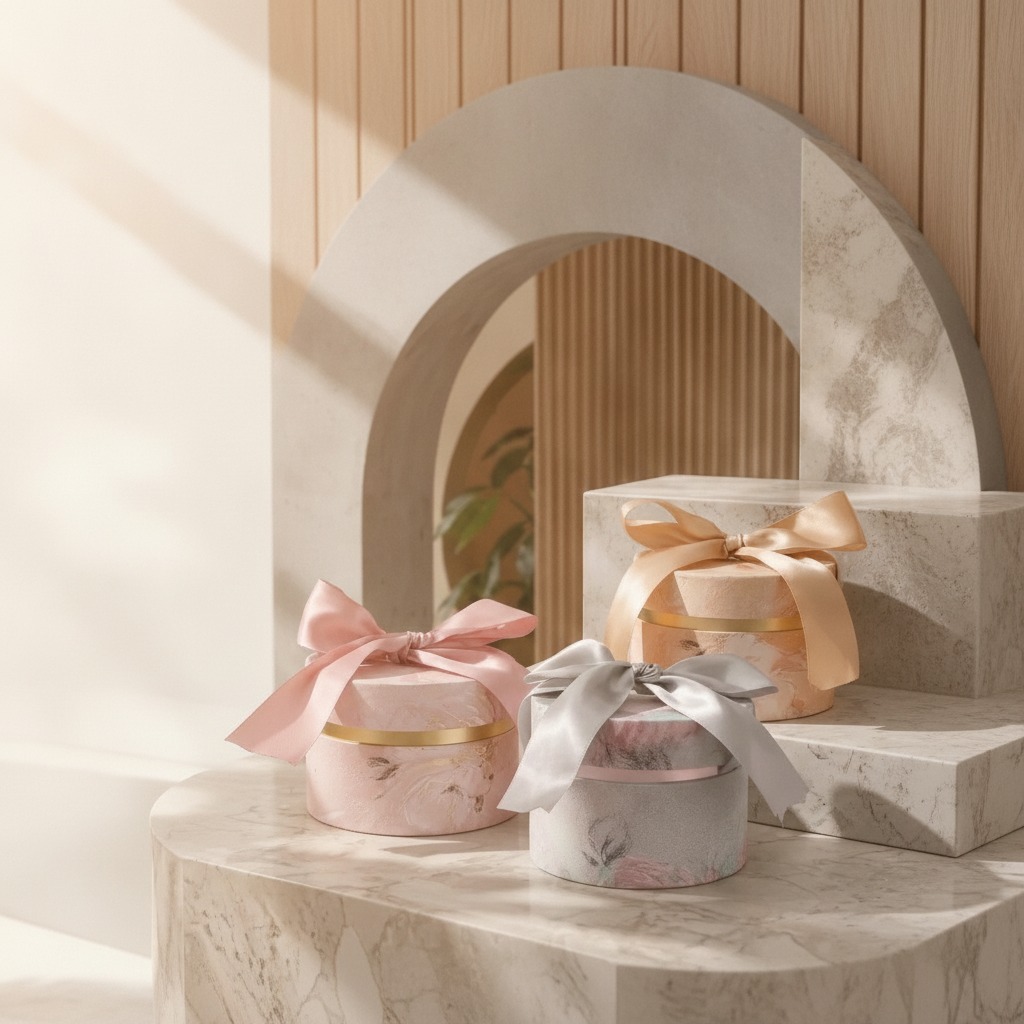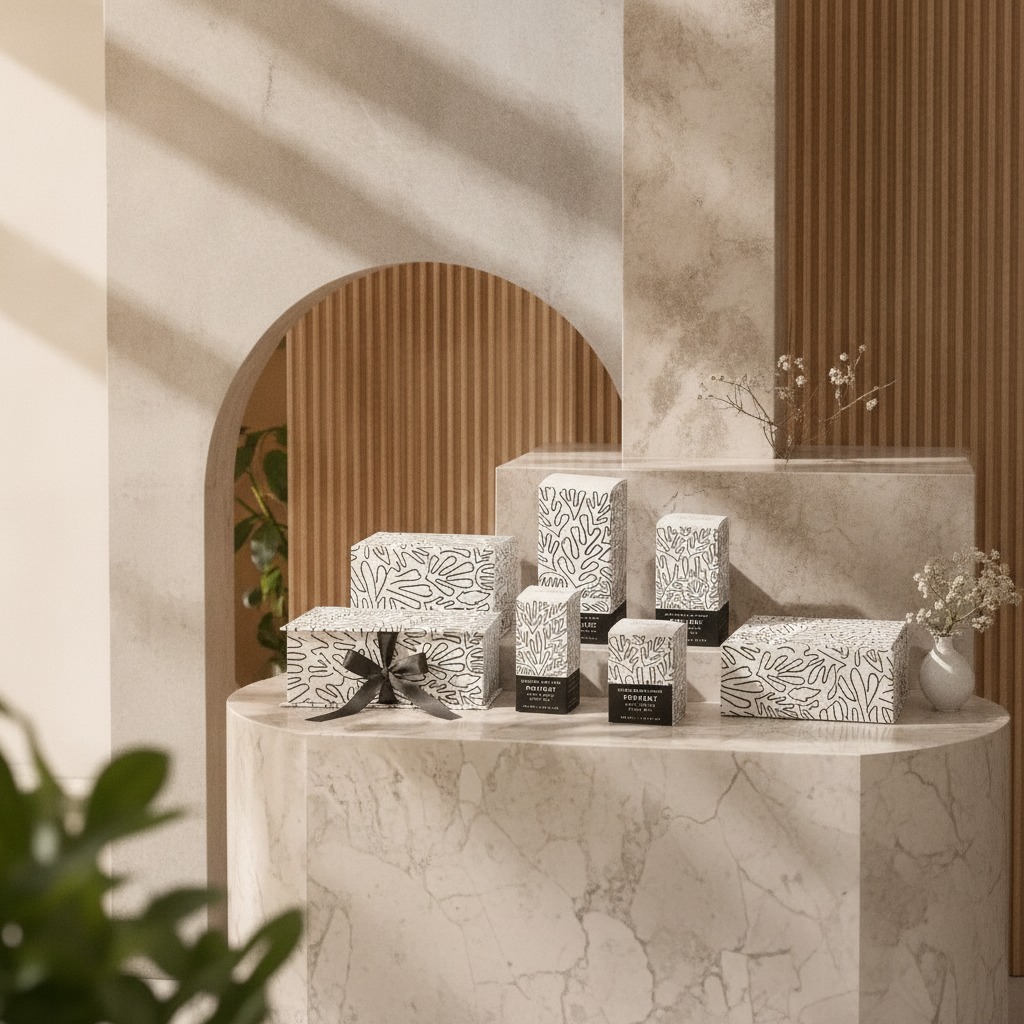
In fine fragrance retail, the unboxing sequence functions as the sensory curtain-raiser before an atomizer ever disperses a single note. A well-engineered perfume box does far more than hold a vessel upright on a department store shelf; it dictates weight in hand, manages the friction of opening, and shields fragile, heavy-gauge flacons from shock throughout fulfillment. When a buyer touches a fragrance package, the crispness of the corners and the resistance of the lid immediately communicate price tier and brand pedigree.
For procurement specialists and product developers, selecting the right architecture for custom perfume box manufacturing requires balancing refined aesthetic detailing with rigorous structural integrity. Between the clean lines of rigid paperboard and the delicate placement of metallic accents, fine packaging remains an exacting branch of packaging engineering.
The Architecture of Rigid Fragrance Presentation
Most high-tier fragrance containers move away from standard folding cartons in favor of rigid box setups. These structures typically employ a dense paperboard or chipboard core enveloped in specialty paper wraps. The resulting package delivers solid 90-degree corners, substantial sidewall thickness, and an unmistakable heft that feels permanent rather than disposable.
Two primary geometries dominate current luxury perfume box development:
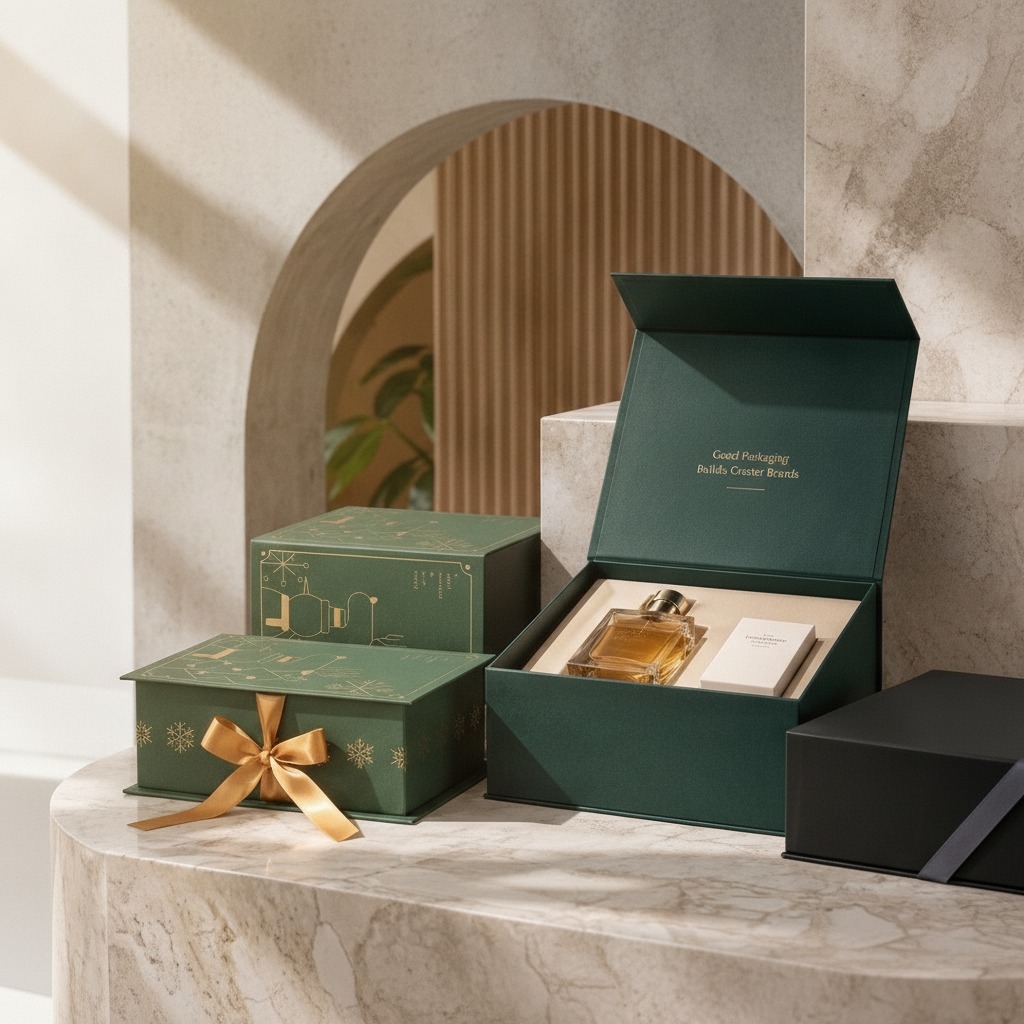
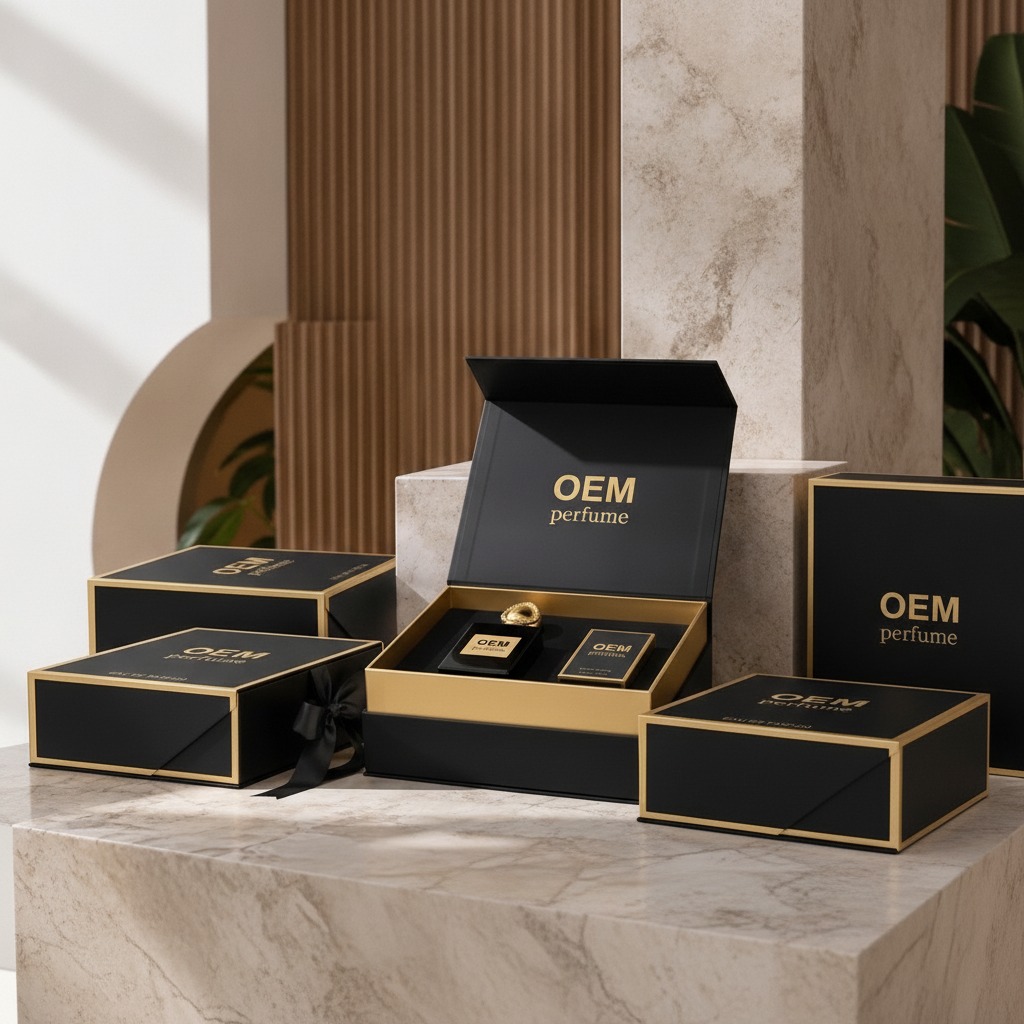
- Hinged Book-Style Boxes: Opening upward along a spine like an art monograph, this design creates an immediate reveal. The lid panel often acts as secondary real estate for narrative branding, gold-foil insignia, or founder notes facing the customer as the bottle rests nestled beneath.
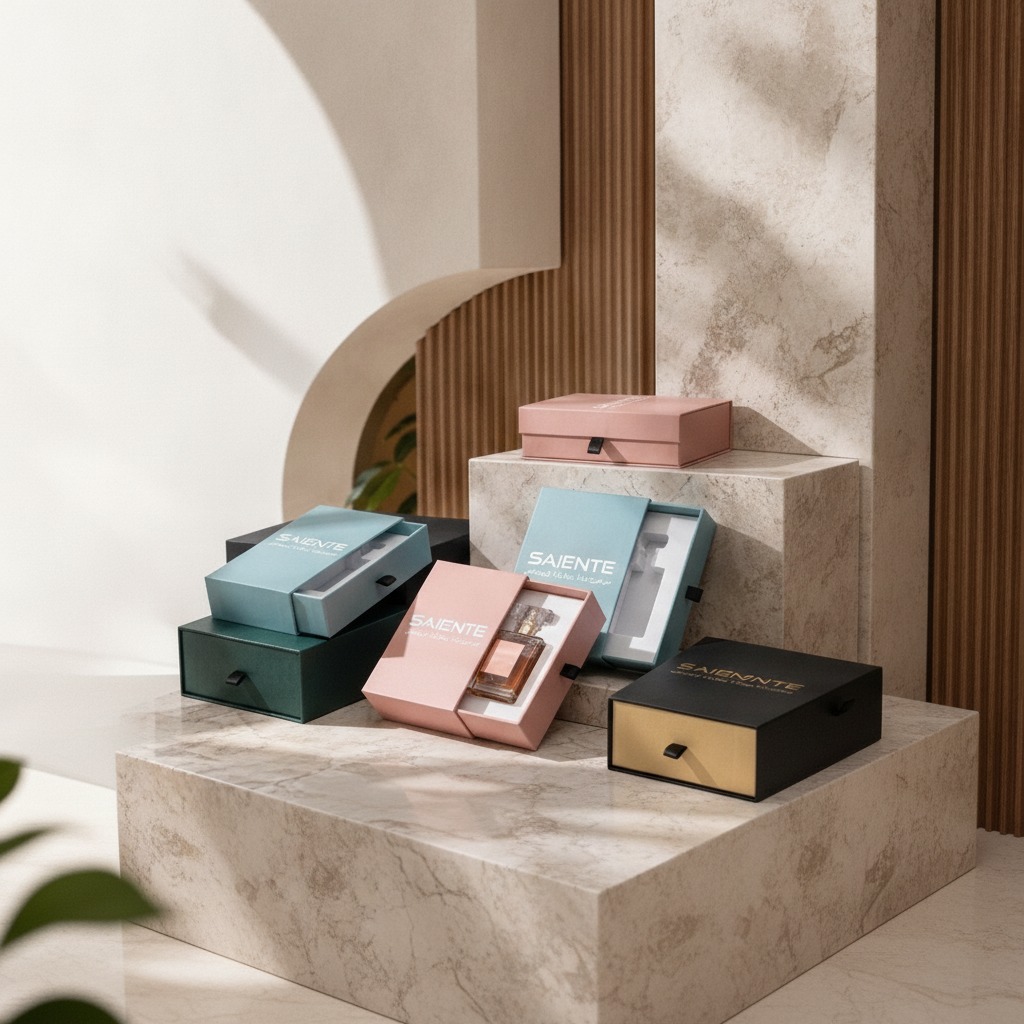
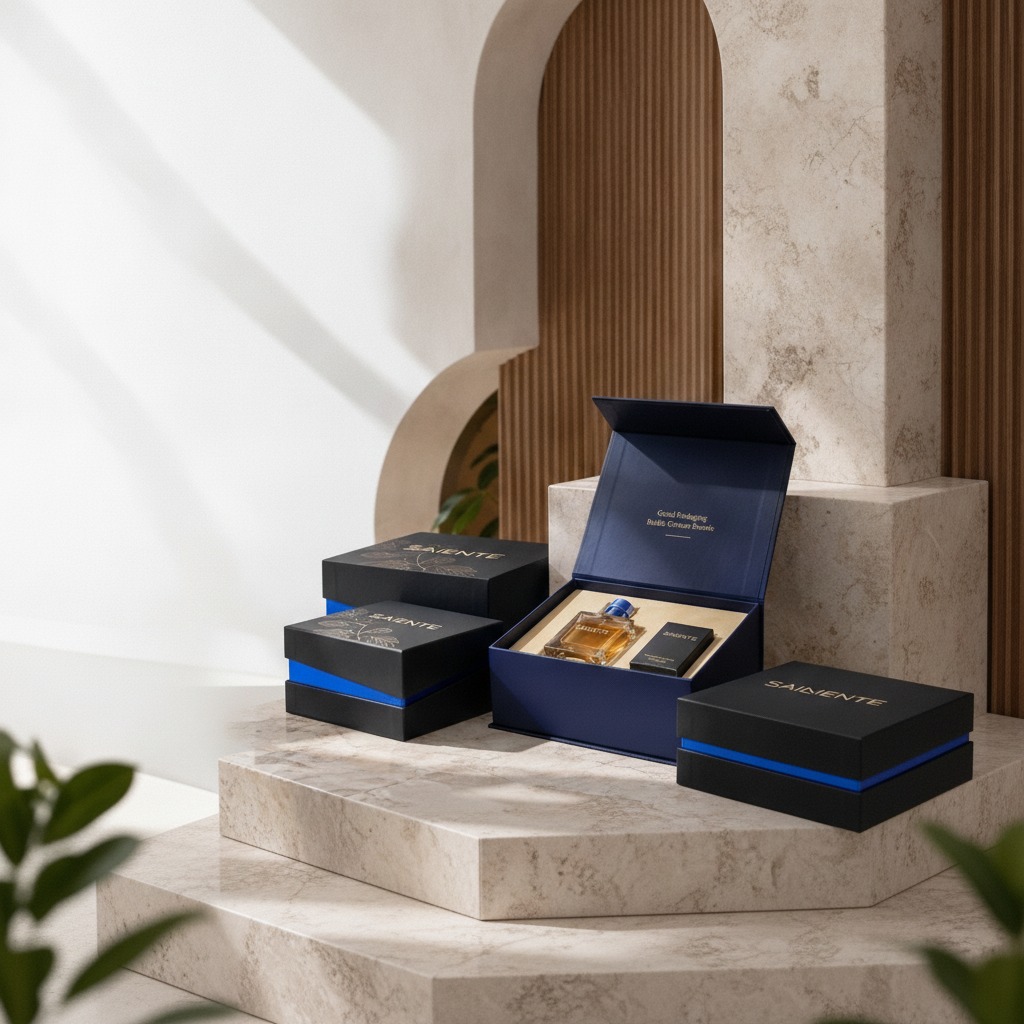
- Two-Piece Telescope and Shoulder Boxes: Built with a separate base and lid, these setups often integrate a visible neck or contrasting collar. A deep navy lid sliding away to expose a midnight-blue or gold accent rim builds tactile anticipation, turning a simple motion into a deliberate ritual.
Surface Aesthetics: Dark Palettes and Metallic Detailing
The visual language of modern perfume packaging leans heavily into muted saturation and deliberate contrast. Matte or ultra-low-sheen exterior coatings in ink black and deep navy blue provide a velvety, non-reflective canvas. This subdued ground makes metallic detailing stand out with pin-sharp clarity.
Fine-gauge line artwork and brand typography are often rendered via hot-stamping foil or precision metallic inks. Gold-toned embellishments across dark backgrounds evoke traditional apothecary elegance, catching overhead boutique lighting without appearing garish. However, sourcing teams must pay close attention to topcoat choices: dark matte wraps can easily pick up scuffs or fingertip oils during retail handling unless treated with appropriate anti-scuff coatings.
Interior Engineering: Securing the Flacon
A beautifully wrapped exterior fails if the heavy glass bottle shifts, rattles, or cracks in transit. Within a dedicated perfume gift box, interior cavity design is just as critical as external styling. The interior typically features a custom-molded or die-cut insert—often in a contrasting light cream or tailored neutral tone—engineered to lock the bottle base and cap firmly in place.
Depending on sustainability goals and presentation requirements, inserts may be crafted from fabric-lined dense foam, die-folded paperboard, or molded plant fiber. In multi-cavity gift configurations, the nest often holds not just the primary eau de parfum bottle, but an adjacent travel atomizer, discovery vial, or brand literature carton. Each cavity requires precise perimeter allowances: too tight, and the consumer struggles to withdraw the bottle; too loose, and the flacon dislodges during air cargo or last-mile courier drops.
Key Sourcing Considerations for Brands
When reviewing factory samples and issuing RFQs for a new perfume packaging box line, keep these technical details front of mind:
- Caliper and Corner Definition: Request samples to inspect the tightness of wrapped edges. Blistering, visible glue squeeze-out, or soft, rounded edges signal poor grooving or loose wrapping tolerances.
- Environmental Claims: Many suppliers market bulk boxes under forestry or sustainability claims such as FSC sourcing. Rather than taking promotional taglines at face value, ask for chain-of-custody documentation or specific board traceability data if eco-compliance is mandatory for your retail distribution.
- Fitment Tolerances for Glass Irregularities: Blown and molded glass bottles inevitably have minor dimensional variations from batch to batch. Ensure your insert material provides enough micro-give to absorb slight glass variances without scratching lacquered coatings or metallic spray caps.
Frequently Asked Questions
What is the most secure insert material for heavy fragrance bottles?
High-density EVA or custom-cut micro-cellular foam wrapped in paper or velvet remains standard for maximum drop absorption. However, precision-folded rigid paperboard cavities and custom-molded dry pulp inserts are increasingly popular options for brands prioritizing uniform material recyclability.
Can book-style rigid boxes support magnetic closures?
Yes. Many hinged presentation boxes integrate concealed neodymium magnets within the core board of the lid and front drop-flap, producing a quiet, satisfying snap upon closure without interrupting the smooth paper wrap.
Next Steps in Production Planning
Before committing to production runs on an intricate perfume packaging design, commissioning physical white-sample dummies is non-negotiable. Place your actual filled glass bottles inside plain structural prototypes to evaluate balance, thumb access, and closure retention under real conditions. Once dimensions are validated in the physical world, your finishing choices—from soft-touch wraps to gleaming foil accents—will deliver the luxury presentation your fragrance deserves.