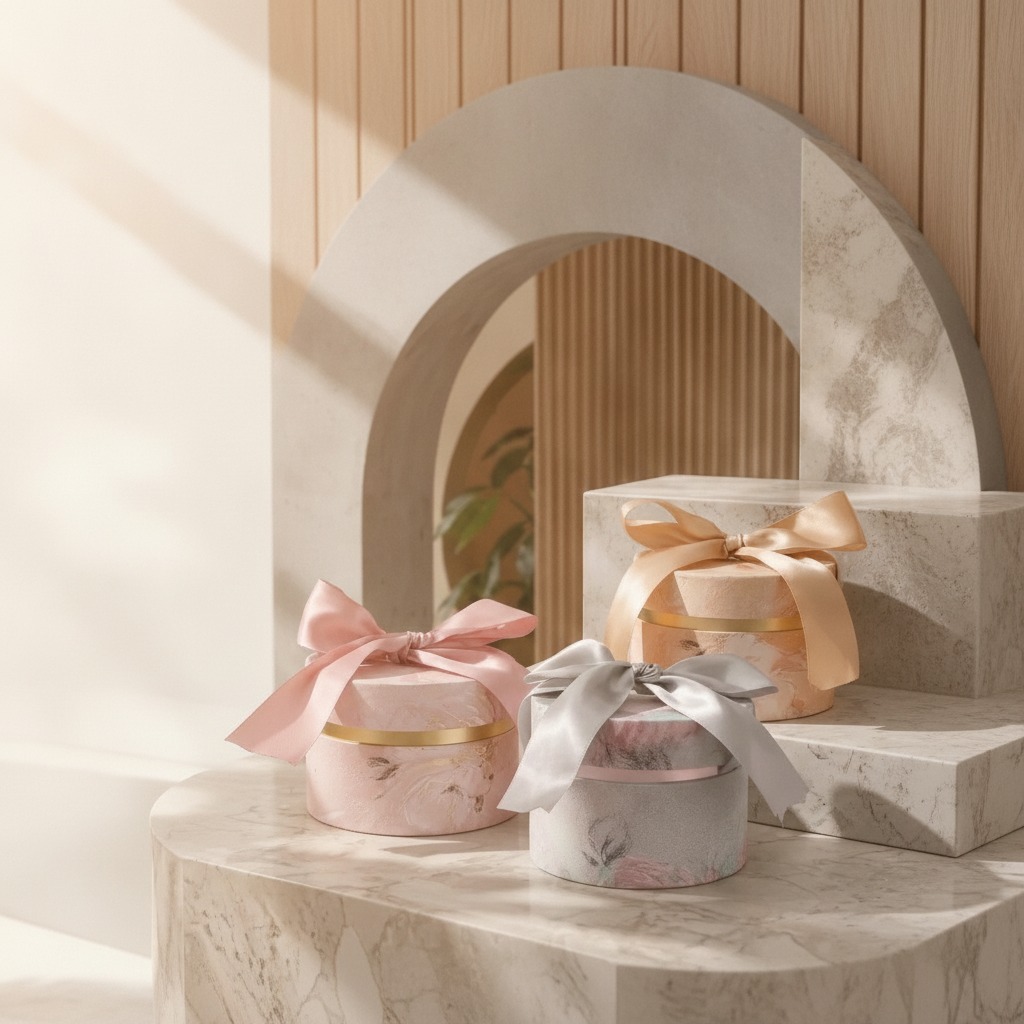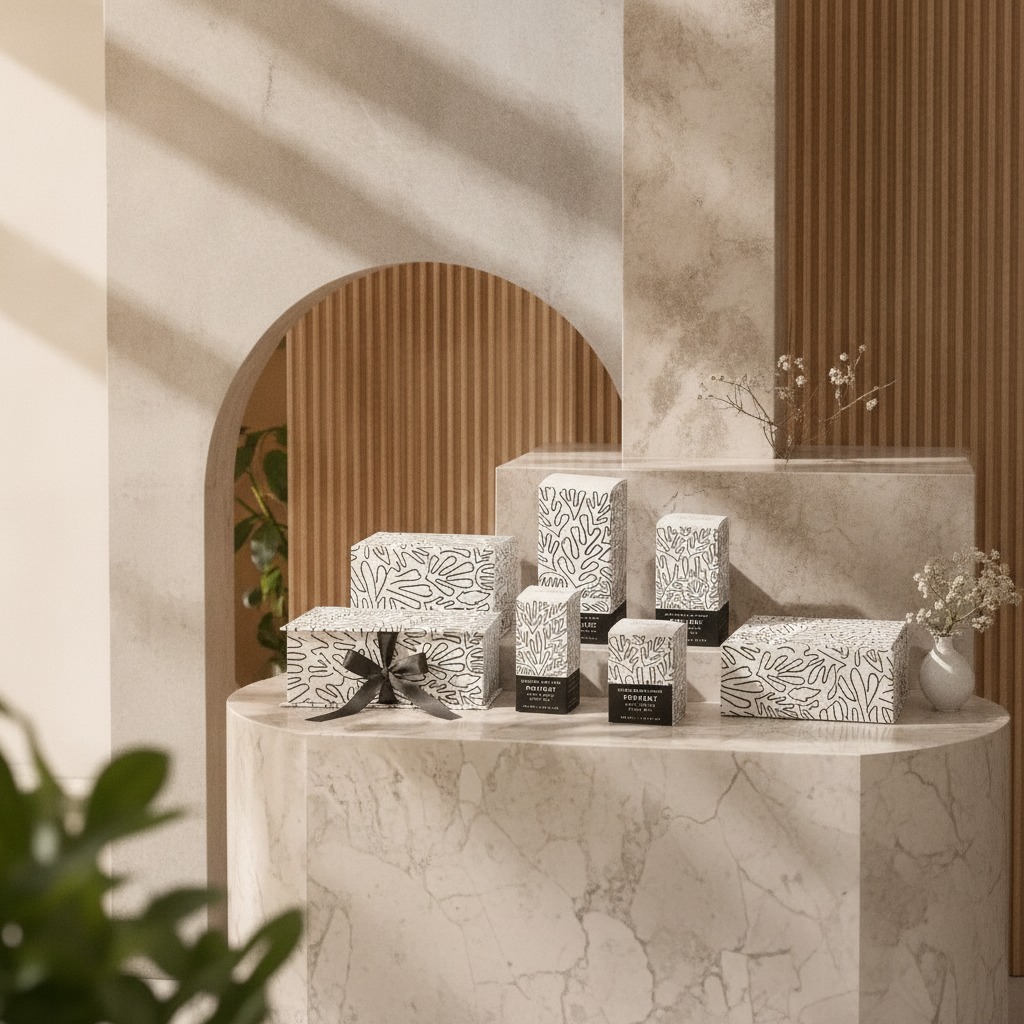
When a customer encounters a fragrance on a retail shelf or unboxes a direct-to-consumer delivery, their tactile judgment begins well before the first mist disperses. The heft of a rigid base, the resistance of air escaping from a snug two-piece lid, and the seamless edge of a patterned paper wrap all signal the caliber of the formulation inside. Designing an effective perfume box is an exercise in balancing structural integrity with high-touch aesthetics. Fragrance vessels are notoriously unforgiving: heavy glass bases, delicate spray actuators, and ornate metallic collars demand dependable protection without compromising the ritual of presentation.
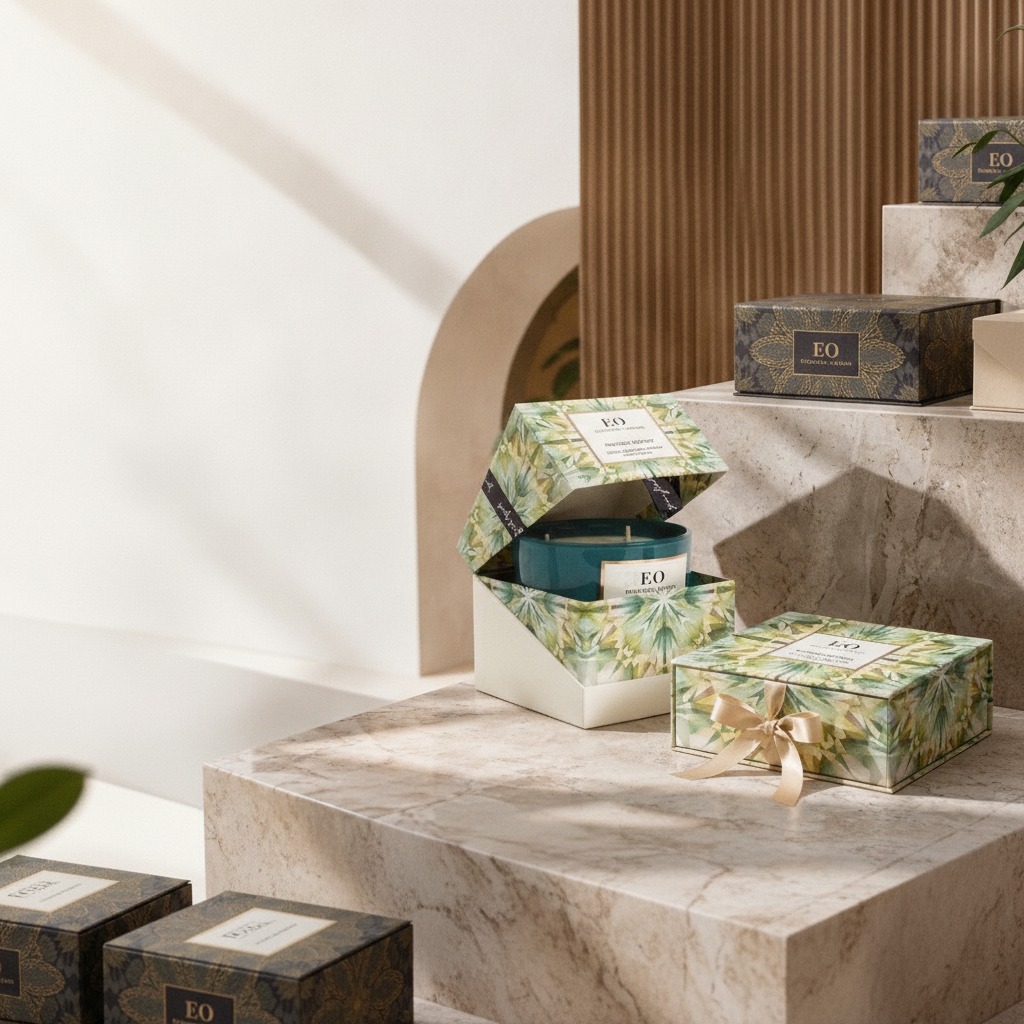
For packaging engineers and brand managers, sourcing perfume packaging requires moving past surface-level graphic renderings. The transition from digital mockups to physical, palletized stock uncovers tangible engineering variables: caliper variance in greyboard cores, tension on wrapped paper corners, and the mechanical reliability of structural closures.
The Anatomy of Luxury Fragrance Packaging
Most luxury perfume boxes rely on rigid box architecture—often called set-up boxes—or heavy-gauge folding paperboard engineered for structural crispness. Unlike standard folding cartons, a rigid box utilizes a thick, non-bending structural core, typically wrapped in a printed, decorative paper sheet that is glued securely along every plane and tucked cleanly around the inside edges.
Visually and mechanically, several design typologies dominate the category:
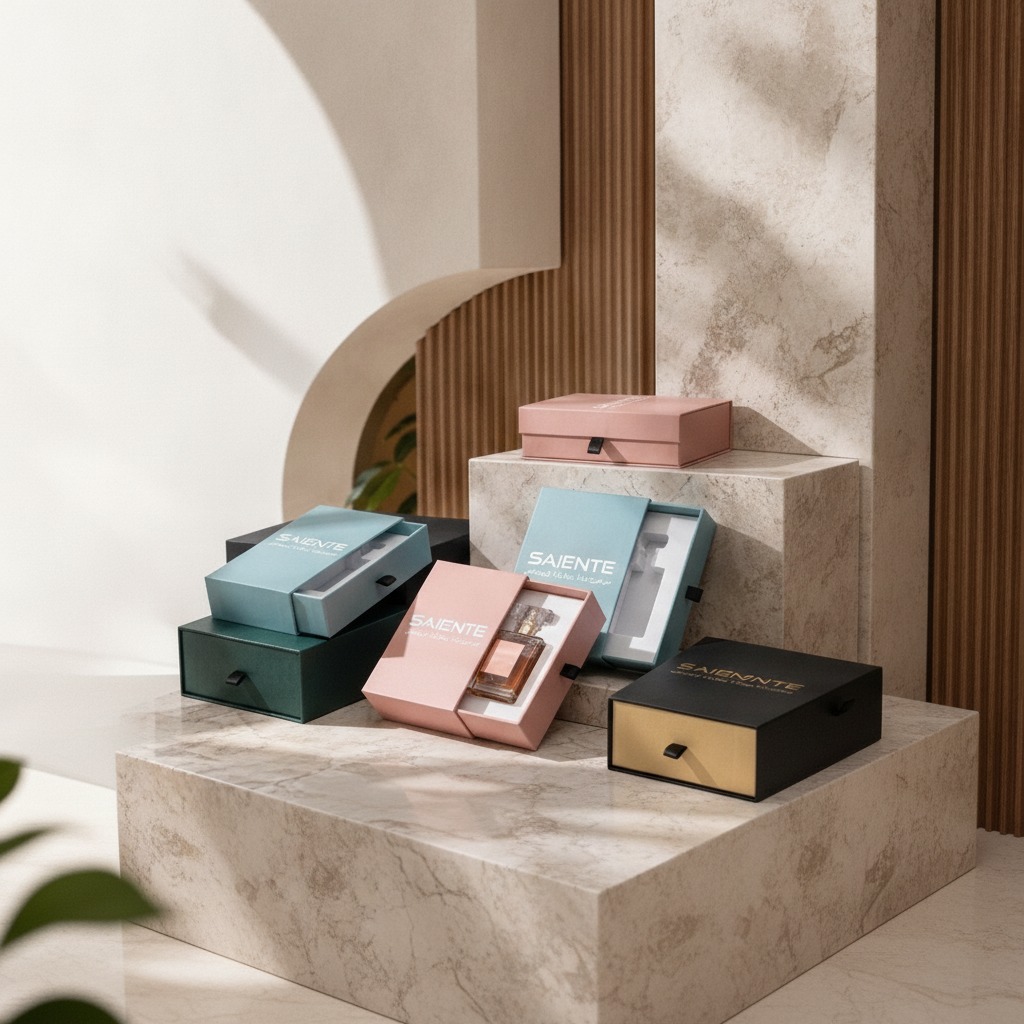
- Two-Piece Telescope Boxes: A tray and a full or partial-depth lid. The tactile highlight is often the friction-fit opening, where the lid descends slowly over the base due to tight dimensional tolerances that meter air release.
- Neck and Shoulder Constructions: A three-piece configuration where an inner collar protrudes upward from the base. This shoulder can sit flush between the base and lid when closed, often revealing an accent band of metallic or contrasting paper when the exterior lid is lifted.
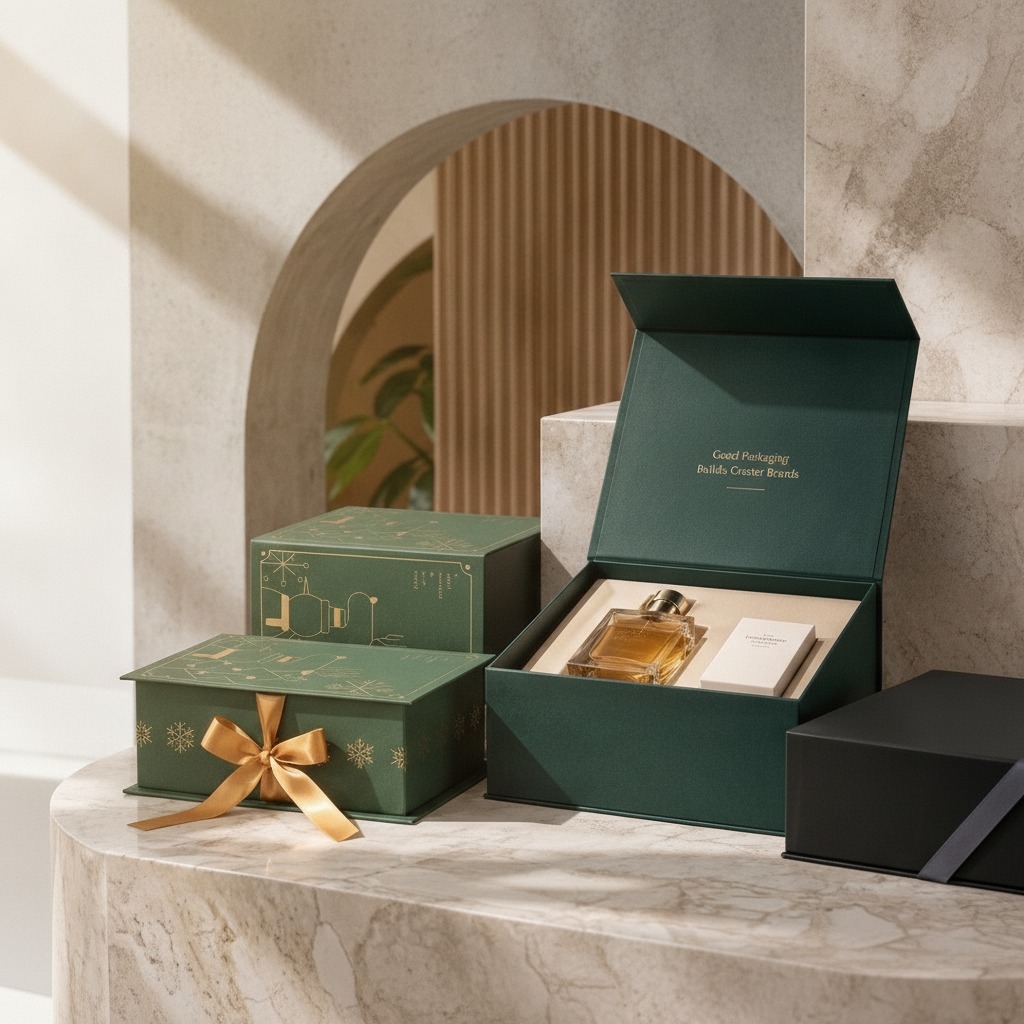
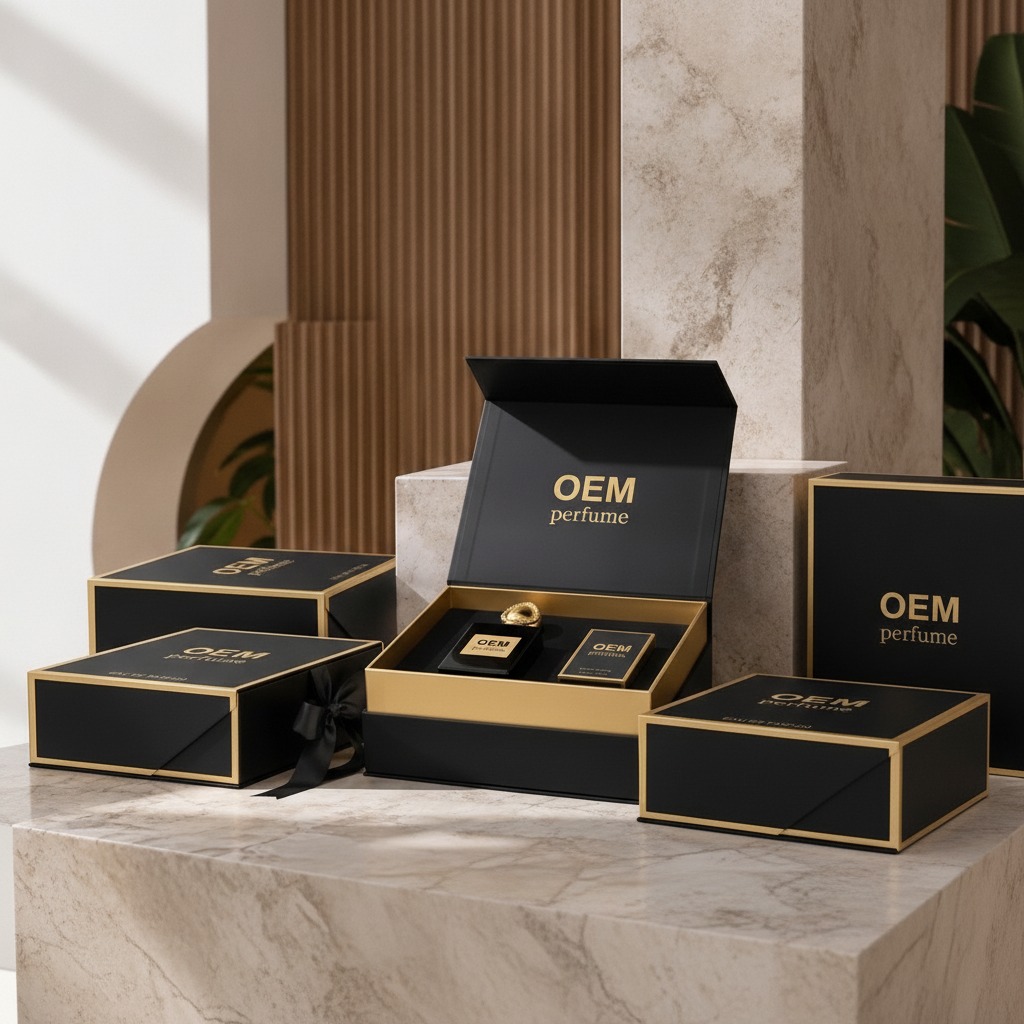
- Hinged Book-Style or Magnetic Closures: Flaps wrapped in heavy stock that fold around an interior well, frequently secured with hidden rare-earth magnets or finished with an external satin-style ribbon tie for an overt gifting aesthetic.
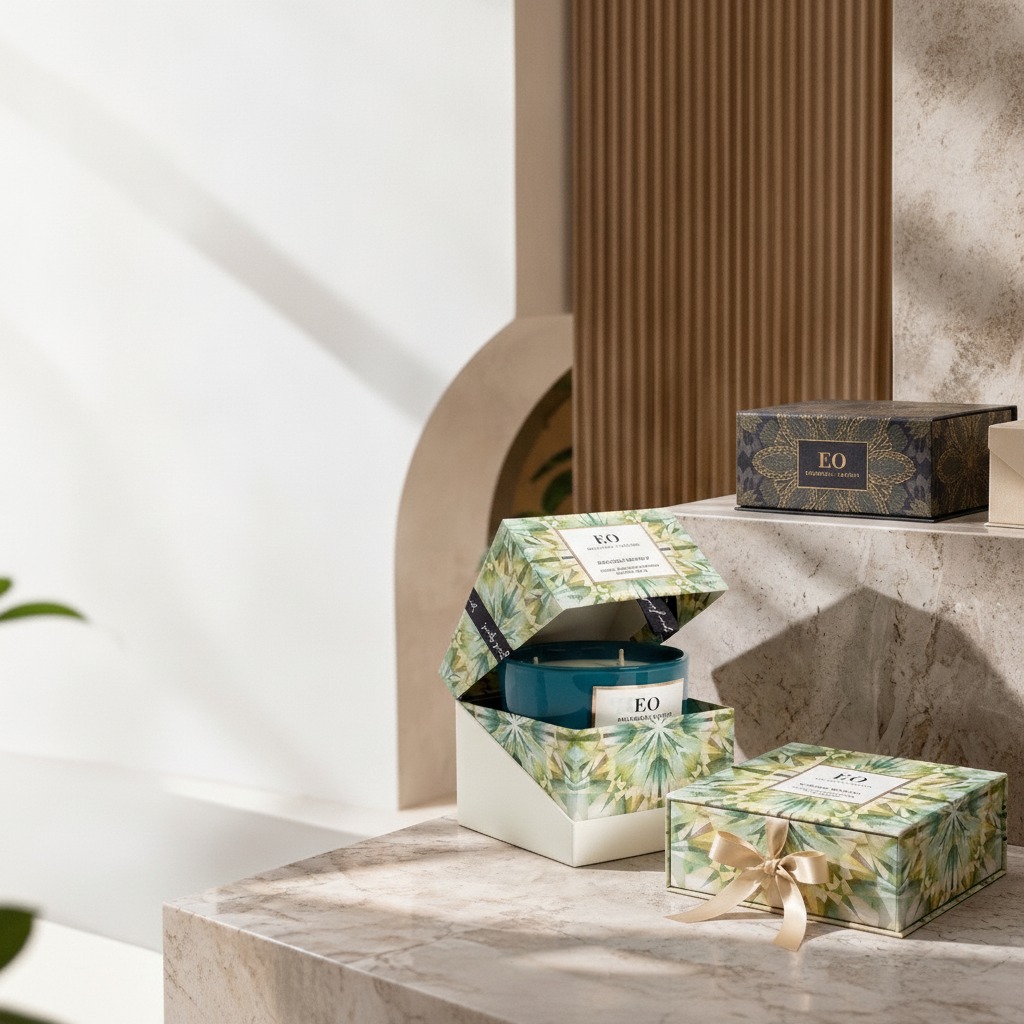
In gift sets where a fragrance is paired with a scented candle or travel vial, the geometry widens. A perfume gift box might feature a broader horizontal footprint, demanding higher board rigidity across the top lid to prevent visual dishing or bowing under pallet stacking pressure.
Surface Aesthetics: Inks, Textures, and Decorative Wraps
The sensory impact of custom perfume boxes depends heavily on the wrap material. Exterior wraps are commonly produced from bleached or unbleached kraft papers, specialty art papers, or cast-coated stocks that accept intricate botanical prints, deep jewel-toned palettes like midnight navy and forest green, or subtle ivory textures.
A matte-to-satin surface finish provides an understated, velvet-like hand feel that diffuses harsh ambient retail lighting. However, dark backgrounds finished in deep saturated inks require careful coating selection; unprotected dark matte prints are prone to scuffing and burnishing during transit if boxes rub against master carton walls or inner partitions.
Gold-colored accents, perimeter linework, and framed typography give secondary packaging an architectural presence on the vanity. While foil stamping and embossing are standard methods to achieve reflective dimension, even flat printed metallic tones and crisp white boundary lines require exceptional registration accuracy during die-cutting and wrap wrapping. If a printed border drifts by even a fraction of a millimeter across a sharp 90-degree box shoulder, the eye immediately registers the asymmetry.
Engineering Fitments and Product Protection
Primary fragrance packaging cannot be left free to shift. Perfume bottles carry significant mass relative to their footprint, and shock loads during parcel transit can easily fracture glass shoulders or dislodge decorative spray caps. The interior architecture of perfume packaging boxes must absorb kinetic energy while holding the bottle squarely facing forward.
Sourcing teams typically evaluate three primary insert styles:
Die-Cut Paperboard Platforms: Sustainable and clean, folded paperboard fitments are designed with engineered tabs that grip the bottle contours. They perform well for lighter, symmetrical bottles, though they require precise prototyping to ensure they do not collapse when a heavy glass bottle drops into place during warehouse packing.
Thermoformed Trays with Flocked Linings: While less favored by brands pursuing strictly plastic-free claims, thin plastic cavities lined with synthetic velvet provide exact contour matching and firm bottle retention, particularly for complex, asymmetrical sculptural bottles.
High-Density Foam Inserts: Cutouts lined with laminated paper or fabric caps that nest the primary container tightly. Foam provides reliable impact absorption, though sourcing managers must check that the foam composition does not off-gas volatile compounds that could degrade the finish of metallic spray nozzles or react with delicate paper linings over extended shelf lives.
Sourcing and Specifying Custom Packaging
When briefing manufacturers for custom runs, general descriptions like “rigid gift box” inevitably lead to production mismatches. Sourcing teams should explicitly specify structural requirements before tooling begins:
- Core Caliper and Board Density: Define the thickness and density of the greyboard base. Heavy bottles require higher density board to prevent corner crushing.
- Wrap Tension and Edge Folding: Clarify tolerances for wrap seams. Hand-assembled samples can sometimes appear flawless, whereas automated wrapping lines may exhibit minor puckering at sharp inner corners if paper weight is not matched to the scoring depth.
- Environmental and Paper Sourcing Verification: Marketing claims such as FSC certification, recycled content ratios, or plastic-free assemblies must be backed by documented chain-of-custody credentials rather than verbal assertions on supplier sales collateral.
- Drop and Abrasion Testing: Insist on drop testing of assembled units containing weighted sample bottles to verify that internal platforms remain rigid under shock.
A perfume box serves as the structural guardian and the physical threshold of a fragrance collection. By addressing board rigidity, insert tolerances, and print finishes early in the sampling phase, brand managers ensure that their final boxed presentation matches the craftsmanship of the fragrance inside.
Frequently Asked Questions
What is the standard lead time for sampling custom rigid perfume packaging?
Structural unprinted white samples (cad-cut mockups) typically take several business days to verify bottle fit and cavity dimensions. Fully printed and wrapped production samples, which require tooling, custom plates, and setup, usually take two to three weeks depending on the complexity of decorative finishes.
How do we prevent lid suction from making rigid two-piece boxes difficult to open?
When tolerances are tight, air pressure creates a vacuum seal. Packaging engineers solve this by slightly widening the clearance between the inner base and outer lid, using shorter lid depths (three-quarter telescope), or incorporating subtle thumb notches cut into the sides of the outer lid to allow consumers to grip the base cleanly.