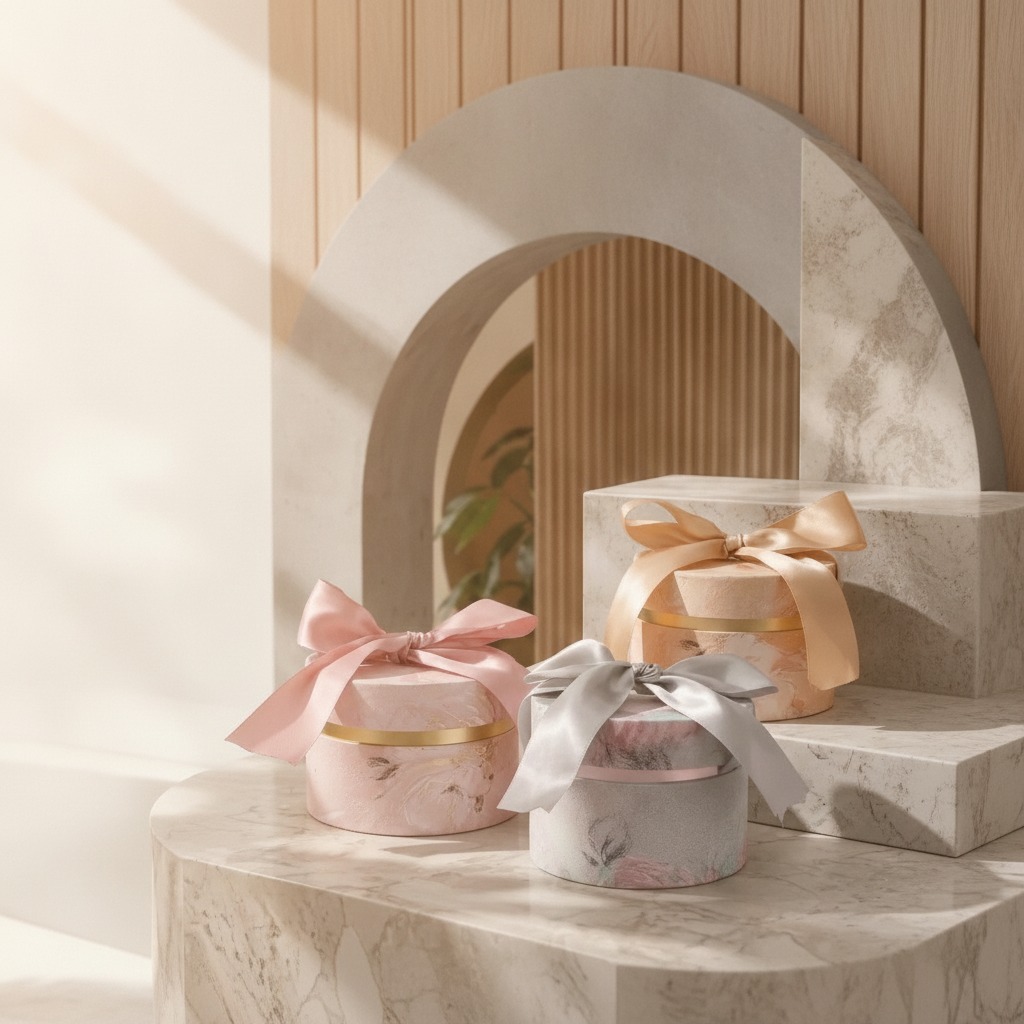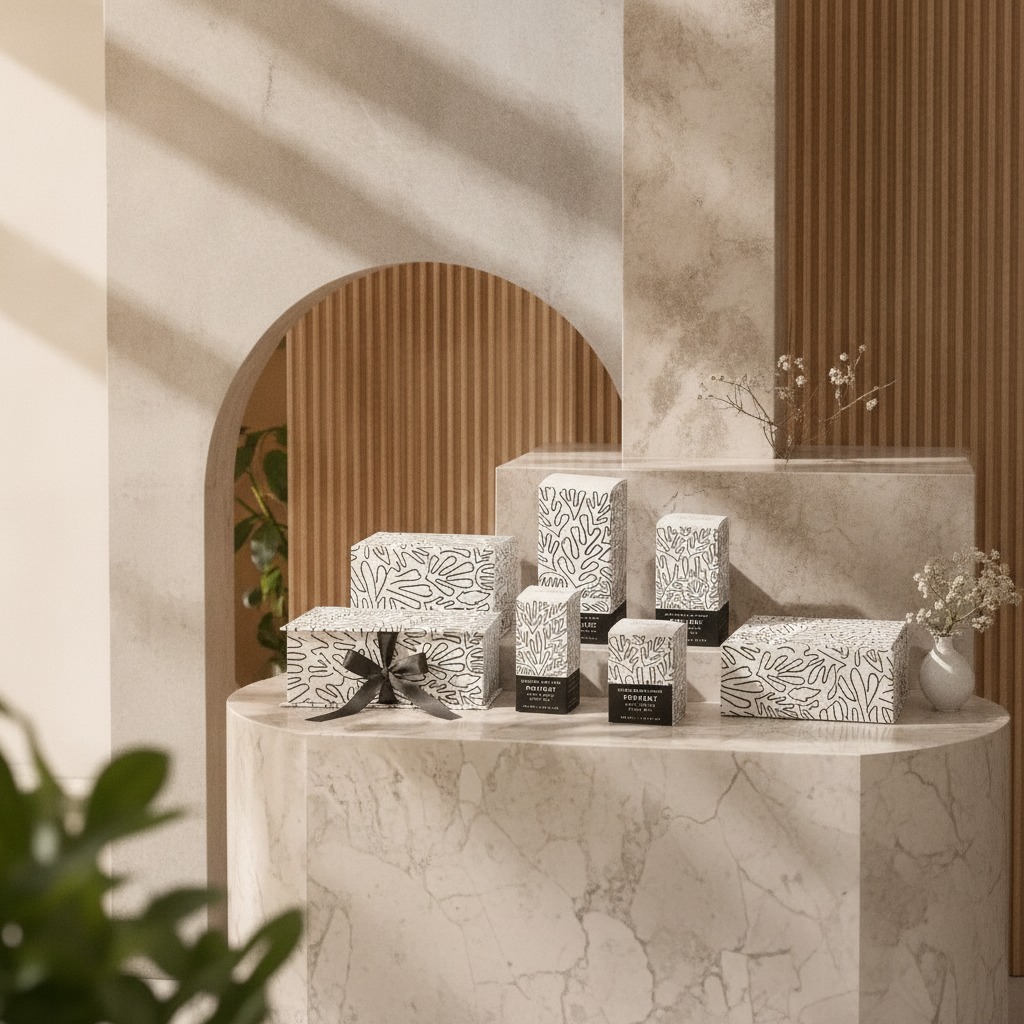
When an end customer lifts a perfume box from a retail counter, the physical impression precedes the scent itself. Fragrance is inherently ephemeral, so packaging carries an outsized burden: it must communicate weight, craft, and permanence before the first mist leaves the atomizer. The initial resistance of a magnetic flap, the tactile grain of a fine outer wrap, and the snug reveal of a heavy glass flacon nestled in a custom cavity establish value long before the olfactory notes develop.
For brand directors and packaging engineers sourcing luxury perfume packaging, achieving that balance between sensory drama and fulfillment reality is rarely straightforward. A structure that looks immaculate on an industrial designer's screen can quickly generate supply chain friction if freight cubes, insert tolerances, or finishing applications are misjudged.
The Architecture of a Rigid Magnetic Fragrance Presentation
Most high-tier fragrance boxes rely on a wrapped rigid board architecture. Unlike folding cartons, which yield under the thumb, a rigid perfume packaging box relies on a dense interior paperboard skeleton—often greyboard—overlaid with an art paper, coated sheet, or textured fabric-like wrapping. The resulting crisp edges and structural rigidity shield fragile glass while creating a substantial hand-feel.
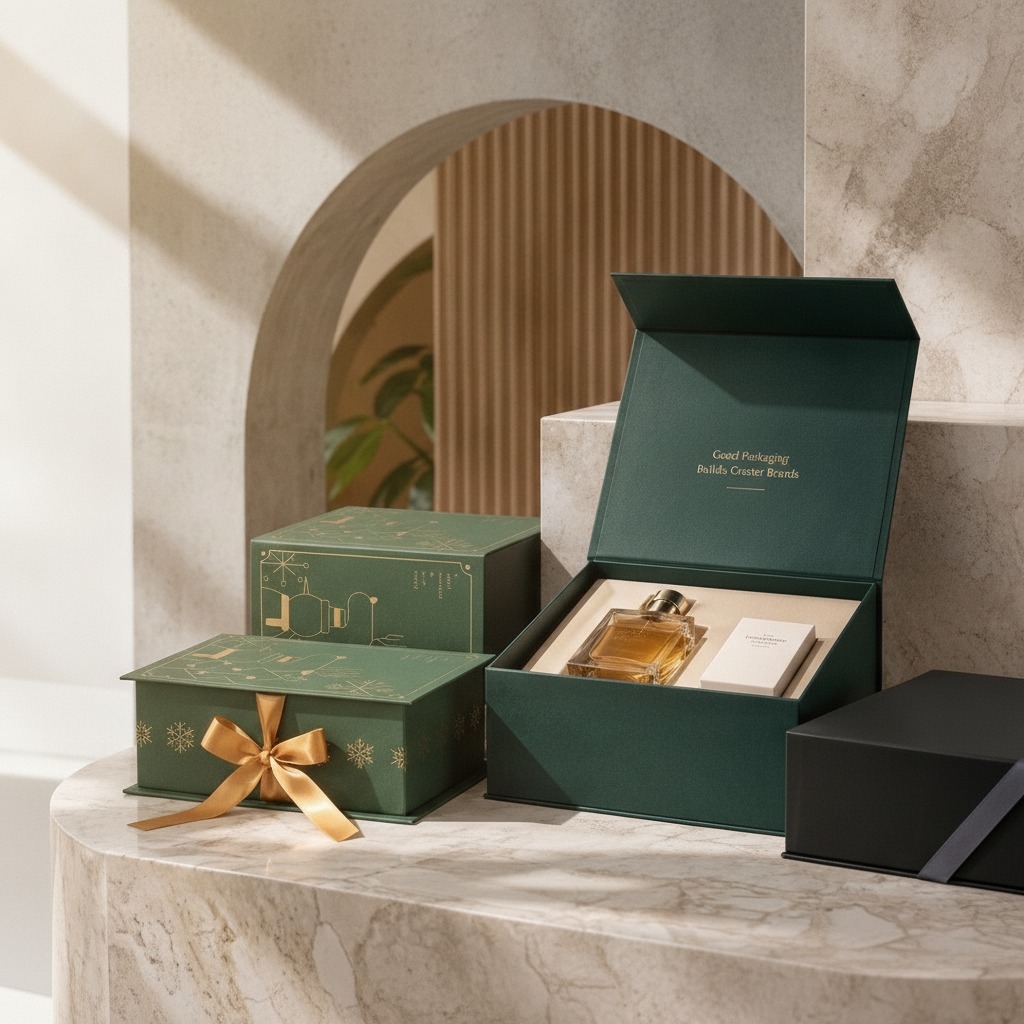
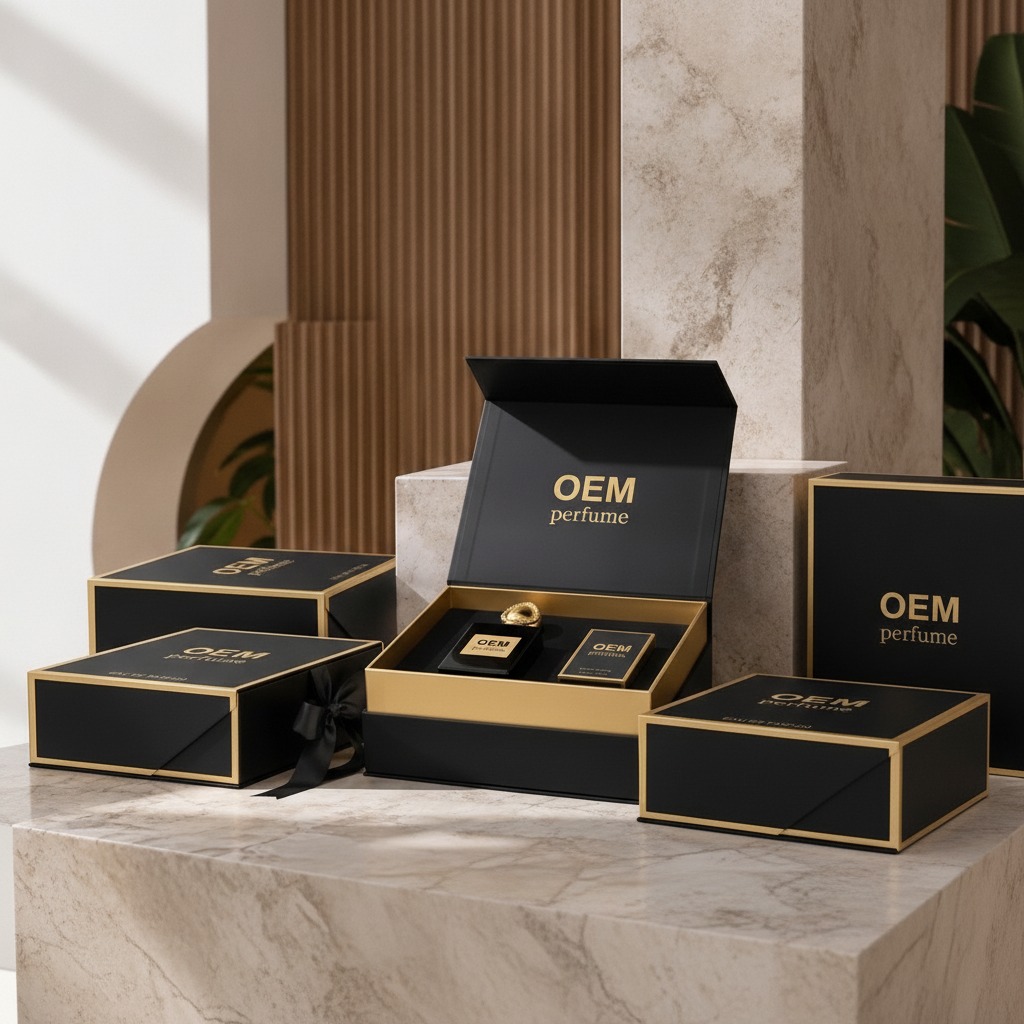
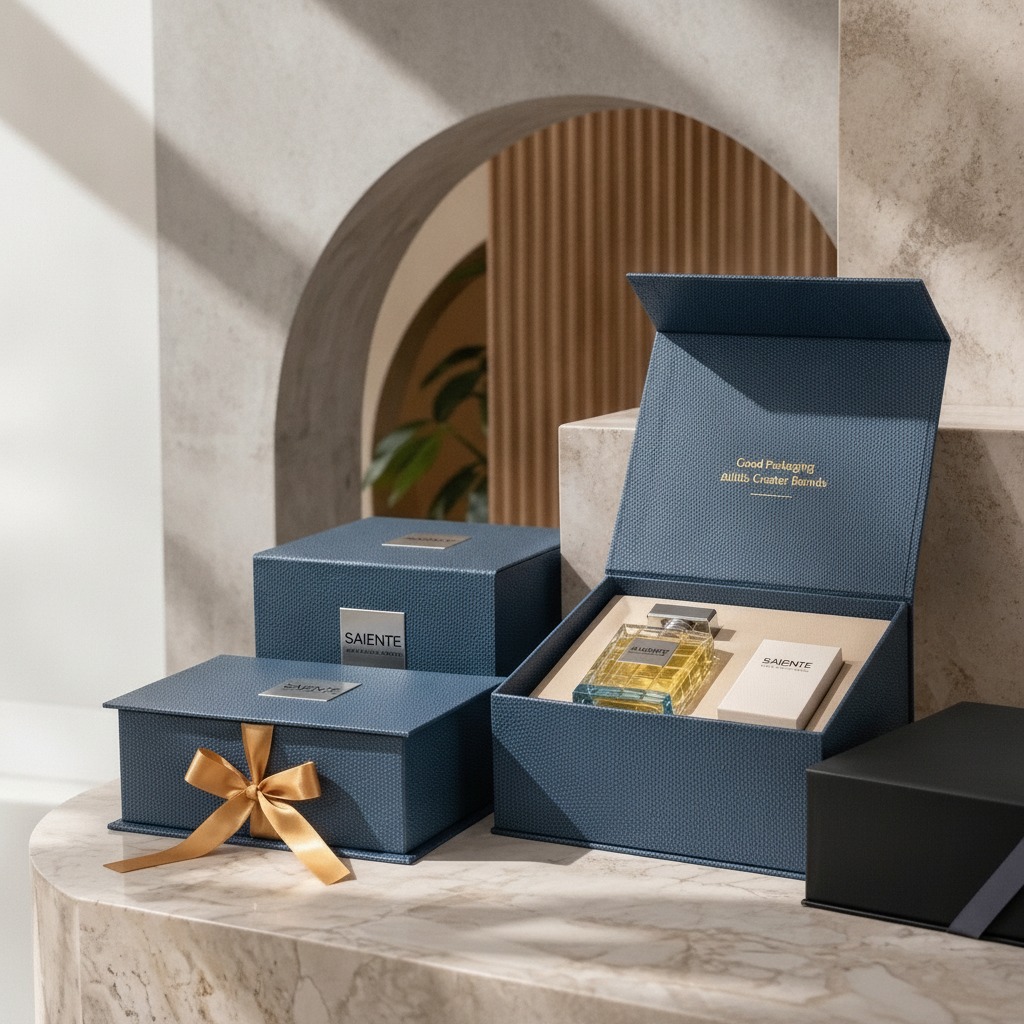
In a presentation-style custom perfume box, the geometry typically centers on a book-style or three-sided hinged lid utilizing concealed magnets. When closed, the seam lines align seamlessly, kept shut by small magnetic pairs embedded beneath the paper wrap on the lid lip and box wall. The tactile experience culminates in the release: a deliberate, gentle pull rather than an awkward friction tug, opening to reveal the flacon framed securely in place.
Insert Cavities: Retention vs. Presentation
An interior tray does far more than hold the bottle upright. In a dual-compartment perfume gift box, the insert often segments the interior real estate—one cut-out calibrated to the specific silhouette of the bottle, and an adjacent pocket tailored for a scent story card, blotter, or secondary promotional item.
The substrate choice for these trays requires careful consideration:
- Paperboard Trays: Crisp, uniform in color, and easy to align with brand sustainability initiatives, though they demand strict die-cutting precision so the bottle does not rattle.
- Cushioned Inserts: Lined or flocked foam substrates offer forgiving tolerances and high impact absorption, stabilizing heavier flacons during rough parcel transit.
A loose cavity risks chipped glass or shifted labels during shipment; an overly tight cutout forces the retail buyer to pry the flacon free, immediately breaking the ritual of luxury unboxing.
Sourcing Strategy: Flat-Pack Collapsible vs. Pre-Assembled Boxes
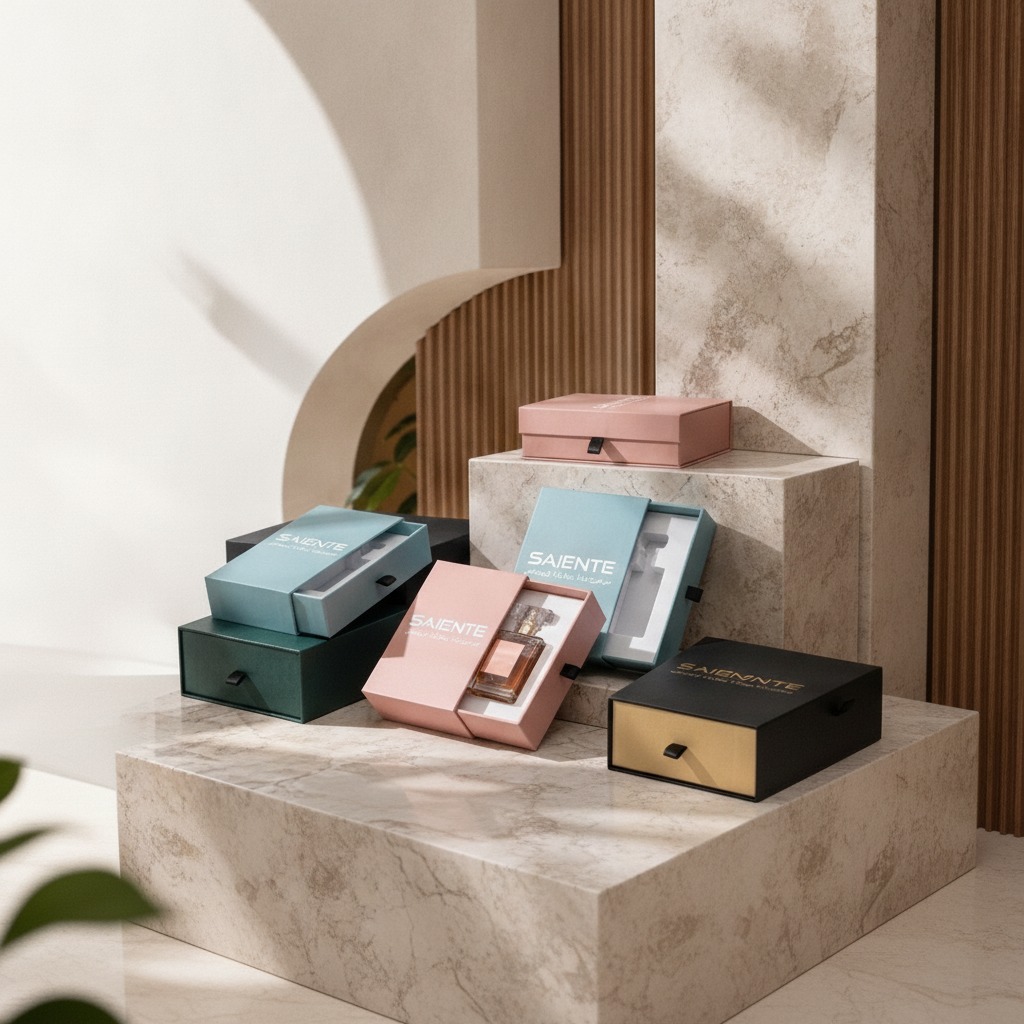
One of the primary structural choices when procuring a luxury perfume box is whether to purchase pre-assembled set-up boxes or collapsible flat-pack formats.
Pre-assembled rigid boxes arrive ready for the fulfillment line. They offer absolute structural integrity, unbroken outer paper wraps, and zero assembly labor on the packing floor. However, they are effectively shipping empty air. In bulk international freight, the dimensional weight of fully formed rigid boxes can rapidly inflate shipping costs and swallow warehouse pallet positions.
Collapsible magnetic boxes address that pain point directly. Engineered with hidden adhesive strips or scored folding corners, they ship entirely flat and fold into a rigid box format on demand. For growing fragrance brands managing limited floor space or coordinating regional distribution hubs, flat-packs can sharply lower incoming logistics costs. The trade-off lies on the packing line: your fulfillment team must manually break each box open, secure the corners, and seat the inserts before packing the fragrance, introducing labor steps that must be balanced against freight savings.
Exterior Detailing and Brand Accents
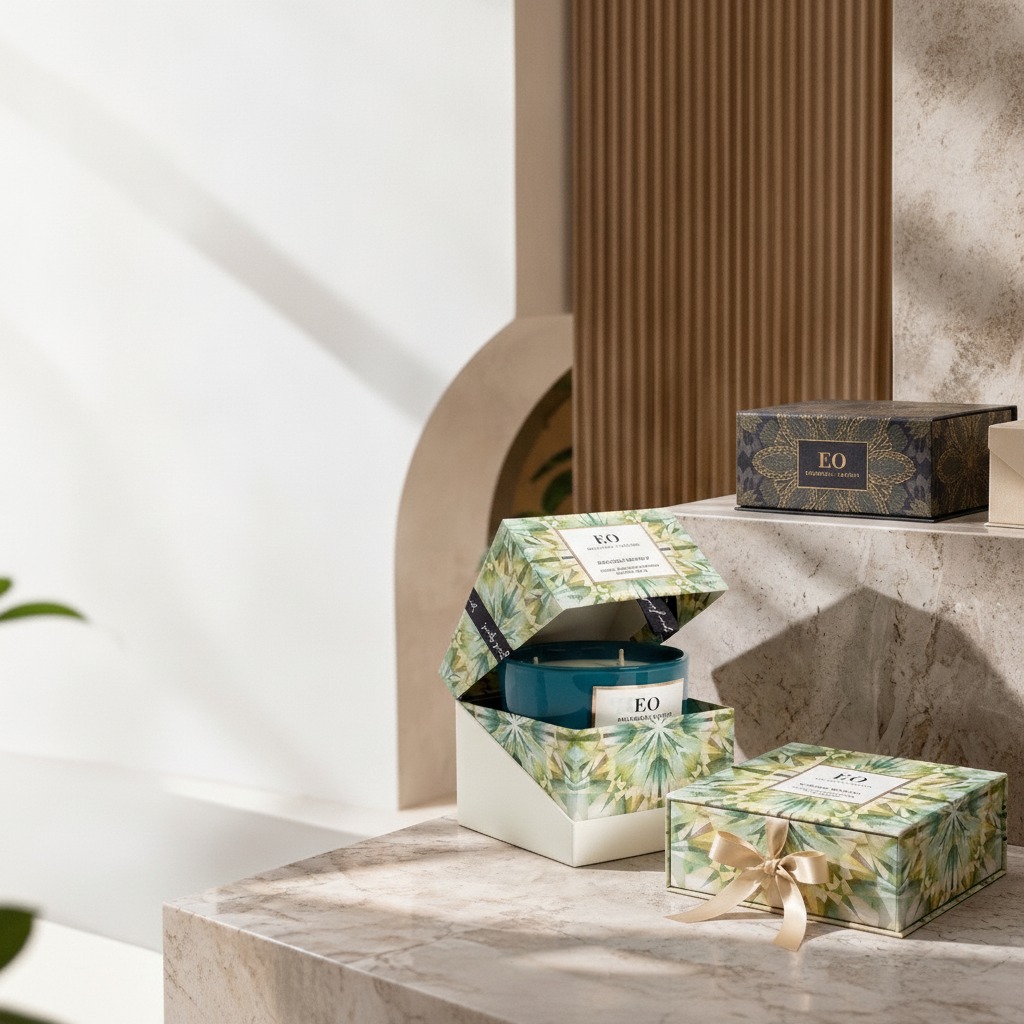
The visual signature of a bespoke perfume packaging box lives in its surface detailing. Deep tones—such as a rich navy-blue wrap paired with subtle embossing or a woven micro-texture—absorb light and invite touch. These surfaces can be elevated through layered accents:
- Metallic Appliques: A centered metal plaque on the outer lid introduces cool tactile contrast against soft-touch or woven paper, creating the feel of a permanent keepsake rather than disposable secondary packaging.
- Textile Finishes: Woven satin ribbons fastened across the closure or exterior lid soften the industrial edges of the rigid board and lean into the ritual of gift presentation.
- Foil and Blind Debossing: Crisp, recessed typography catches the light across the top panel without overpowering the underlying wrap texture.
A practical note for production teams: any exterior embellishment, whether a ribbon tail or an applied metal crest, adds handling touchpoints during final packaging. Ensure ribbons are securely anchored to prevent fraying on fulfillment conveyor belts, and confirm plaque adhesives hold across varying temperature ranges during winter container transport.
Practical Evaluation Checklist for Packaging Sourcing
Before issuing purchase orders for a custom perfume box production run, review these critical checkpoints with your manufacturer:
1. Dimensional Fit Around the Collar and Cap: Never size the insert solely off the base dimensions of the glass. Perfume caps, atomizer collars, and neck labels often possess slight batch variations. Inserts must accommodate these components without snagging delicate decorative metallization.
2. Magnet Calibration: The magnets must hold the lid flush during movement, yet allow effortless one-handed lifting by the user. Weak magnets let the lid gap; excessively strong magnets can tear the surrounding paper wrap over repeated cycles.
3. Certification Scope: When vendors advertise FSC-certified options, confirm whether the certification applies to the exterior wrap, the interior core board, or the entire structural assembly. Clear chain-of-custody documentation matters if your brand makes specific sustainability claims on-pack.
Frequently Asked Questions
Can a magnetic perfume box survive direct-to-consumer parcel shipping?
A decorative rigid presentation box is designed primarily for retail shelf appeal, influencer kits, and gift presentations. For e-commerce delivery, it should always be paired with a corrugated outer shipper. Direct parcel conveyor belts will scuff exterior textured wraps and can force magnetic lids open under vibration.
Which is better for fragile bottles: foam inserts or paper trays?
Paperboard trays offer clean visual lines and straightforward recycling streams, but they lack shock dissipation. If your fragrance bottle is exceptionally heavy, features sharp glass corners, or is shipped through demanding mail networks, a cushioned insert wrapped in fine paper or flocking provides better retention and drop protection.
Refining Your Packaging Program
Balancing unboxing aesthetics against logistical constraints defines successful packaging procurement. Whether your program demands collapsible formats to streamline overseas container shipping or fully assembled luxury presentation sets with custom hardware, start by testing blank white structural mock-ups with your actual filled bottles. Verifying closure mechanics, insert clearance, and wall rigidity on physical prototypes ensures your finished fragrance packaging performs as reliably on the shelf as it looks in the render.