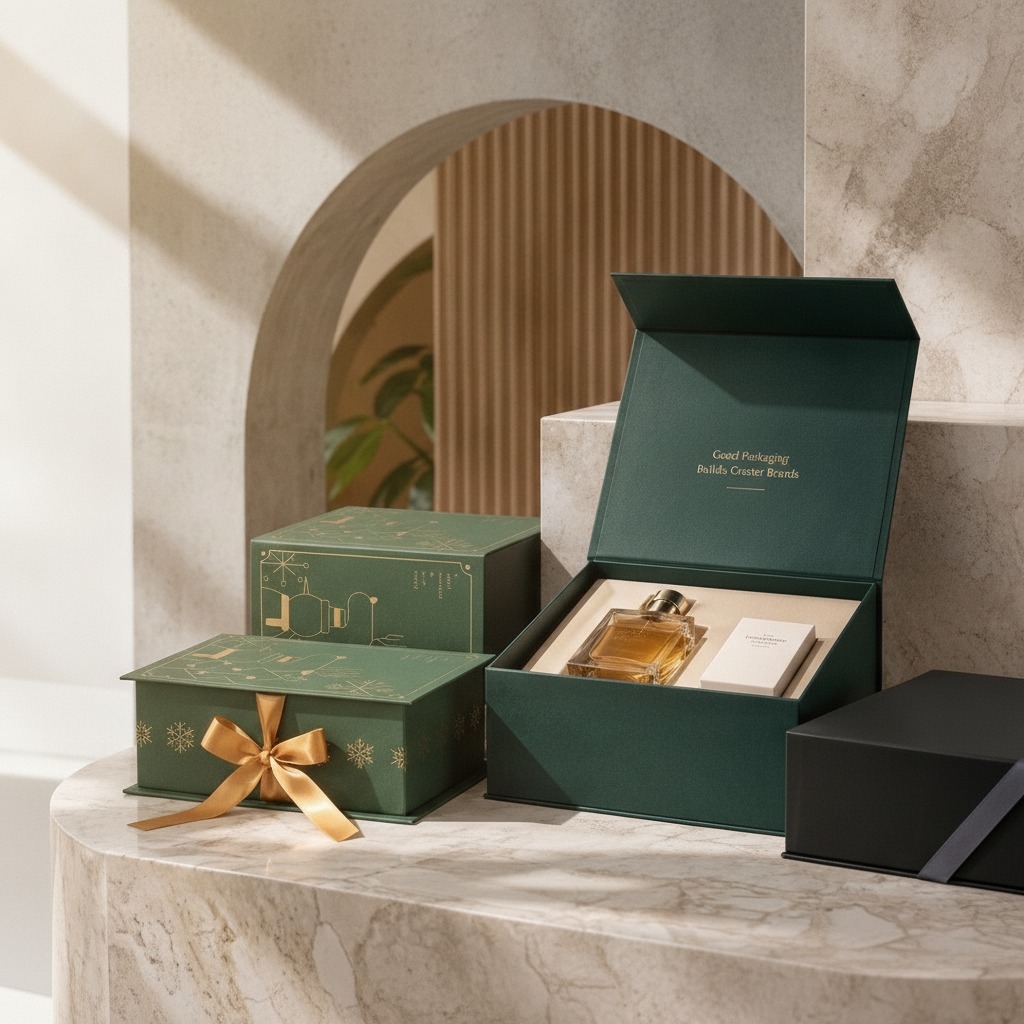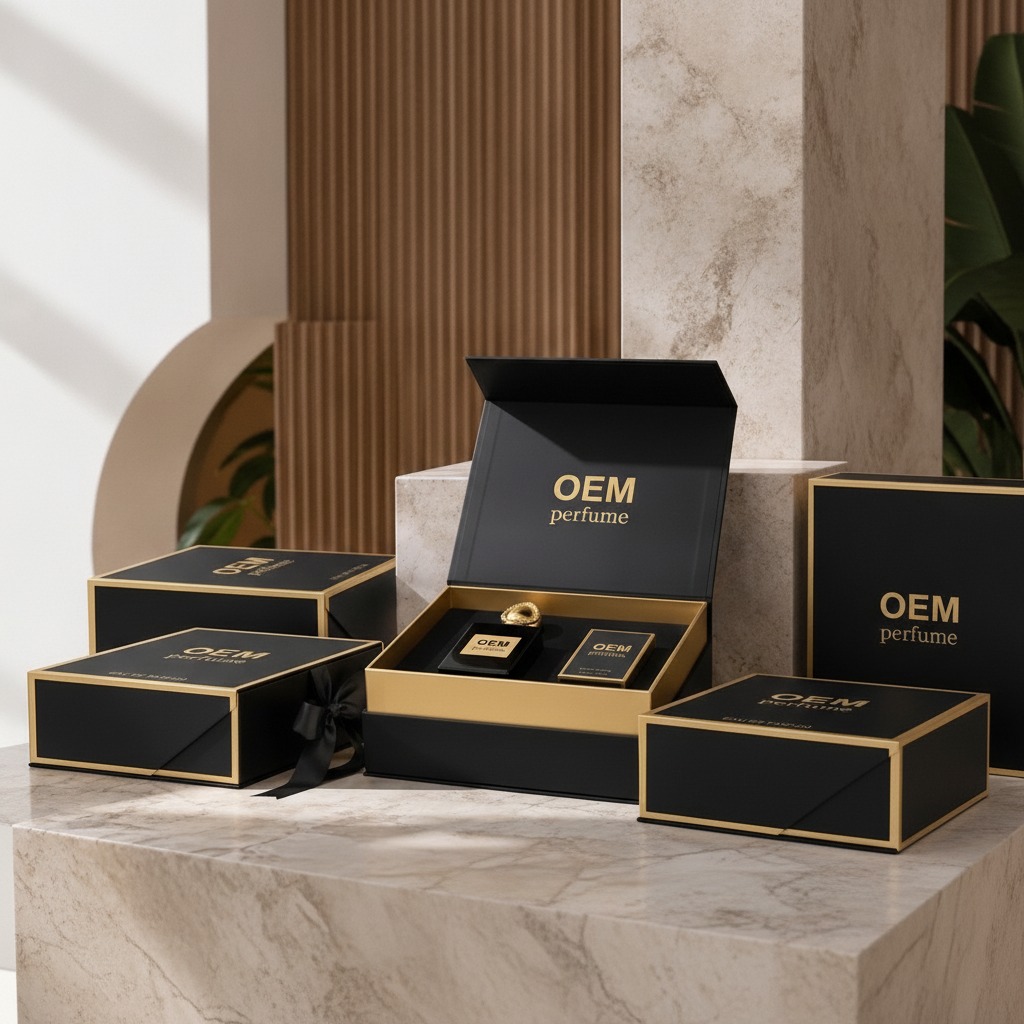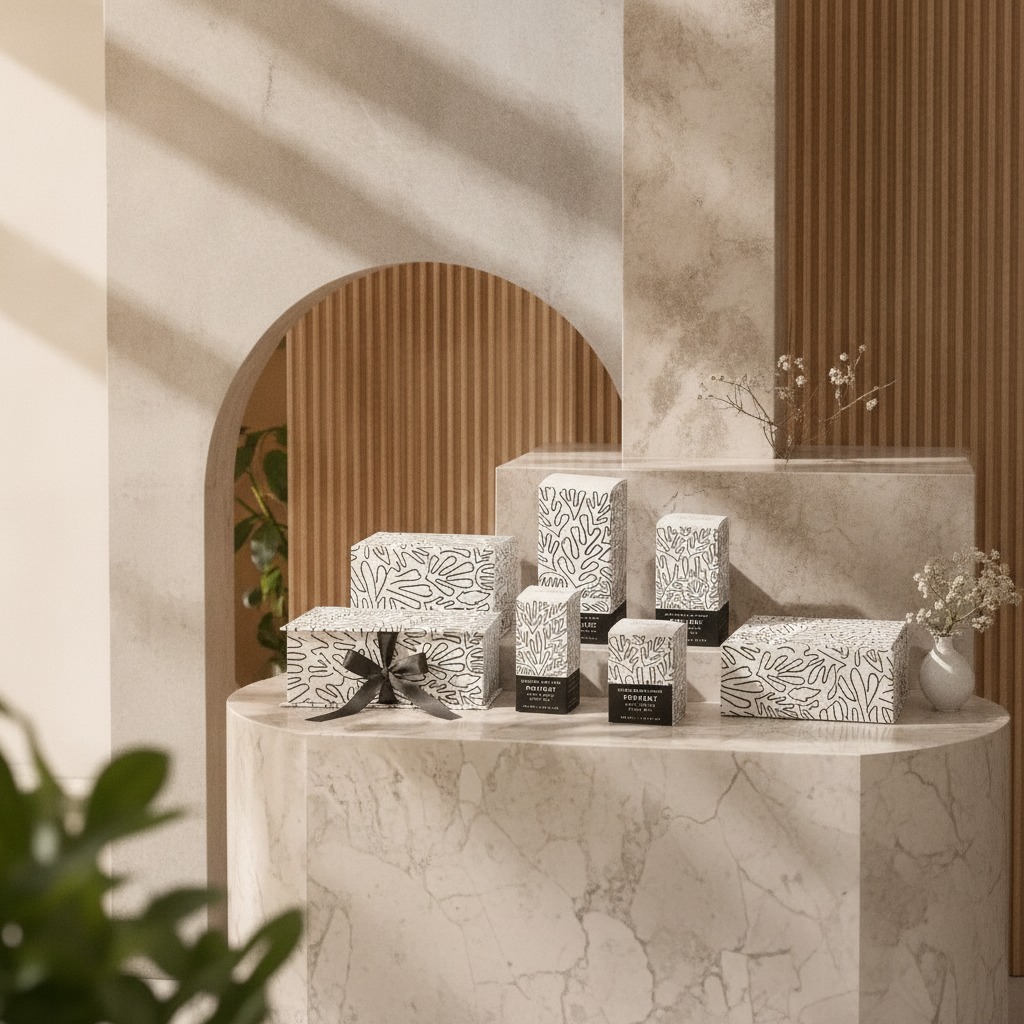
A fragrance purchase rarely begins with the olfactory note itself; it begins with the physical weight and surface tension of the packaging. When a consumer lifts a rigid perfume box from a retail shelf, the tactile sensation immediately informs their expectation of the fragrance inside. For brand owners and packaging procurement managers, this creates a demanding engineering threshold. The box must deliver structural heft, defend dense glass vessels against handling shocks, and carry nuanced decorative printing without warping or fraying at the edges.
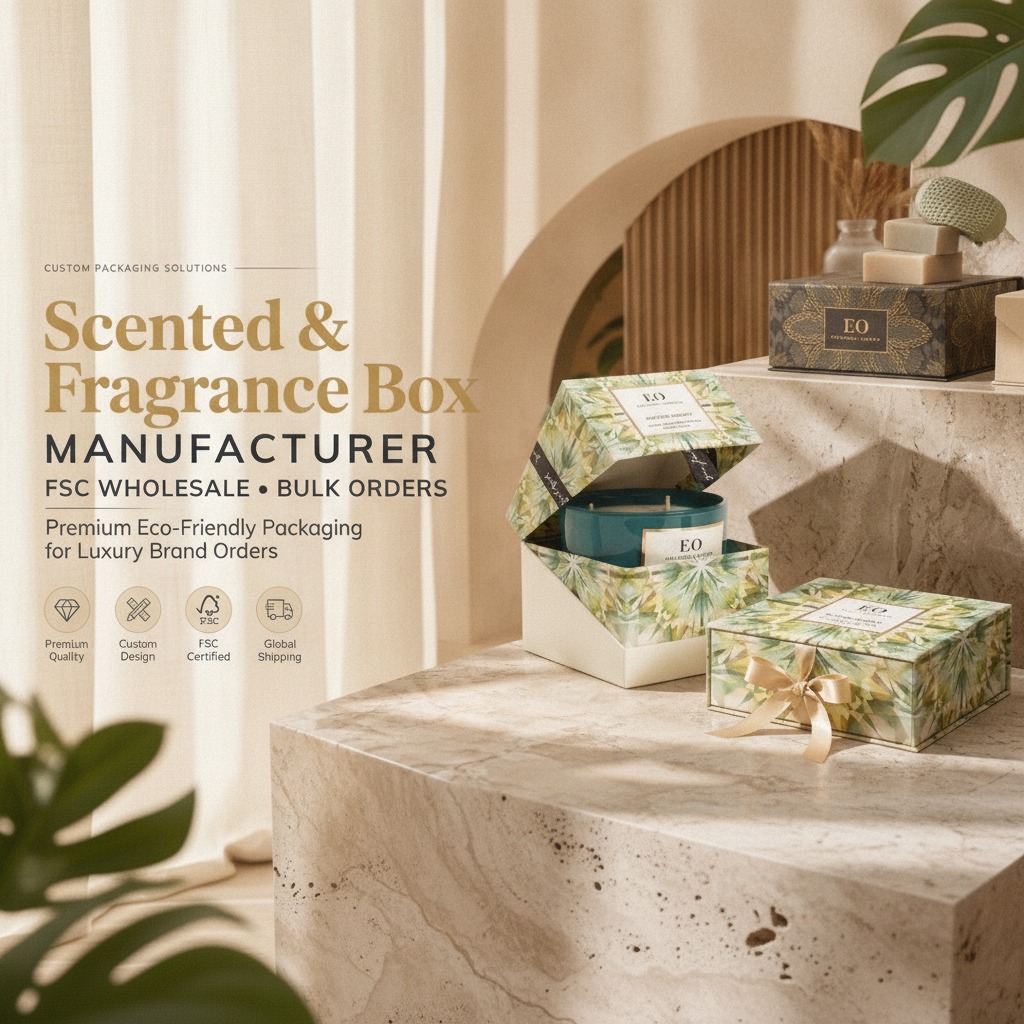
Specifying a high-end perfume packaging box requires navigating the intersection of paperboard conversion, precise die-cutting, and sensory embellishments. Whether engineering an enclosure for an eau de parfum spray or housing an expansive home fragrance gift set, the structural execution tells the buyer whether the brand values craftsmanship.
The Anatomy of the Rigid Setup Box
Most premium fragrance containers rely on rigid setup box architecture rather than folding cartons. The foundational core is typically formed from solid greyboard, cut and scored to create crisp, perpendicular walls that will not buckle under thumb pressure. This rigid core is subsequently wrapped with pre-printed, laminated cover paper that wraps around every edge, concealing the fibrous inner board.
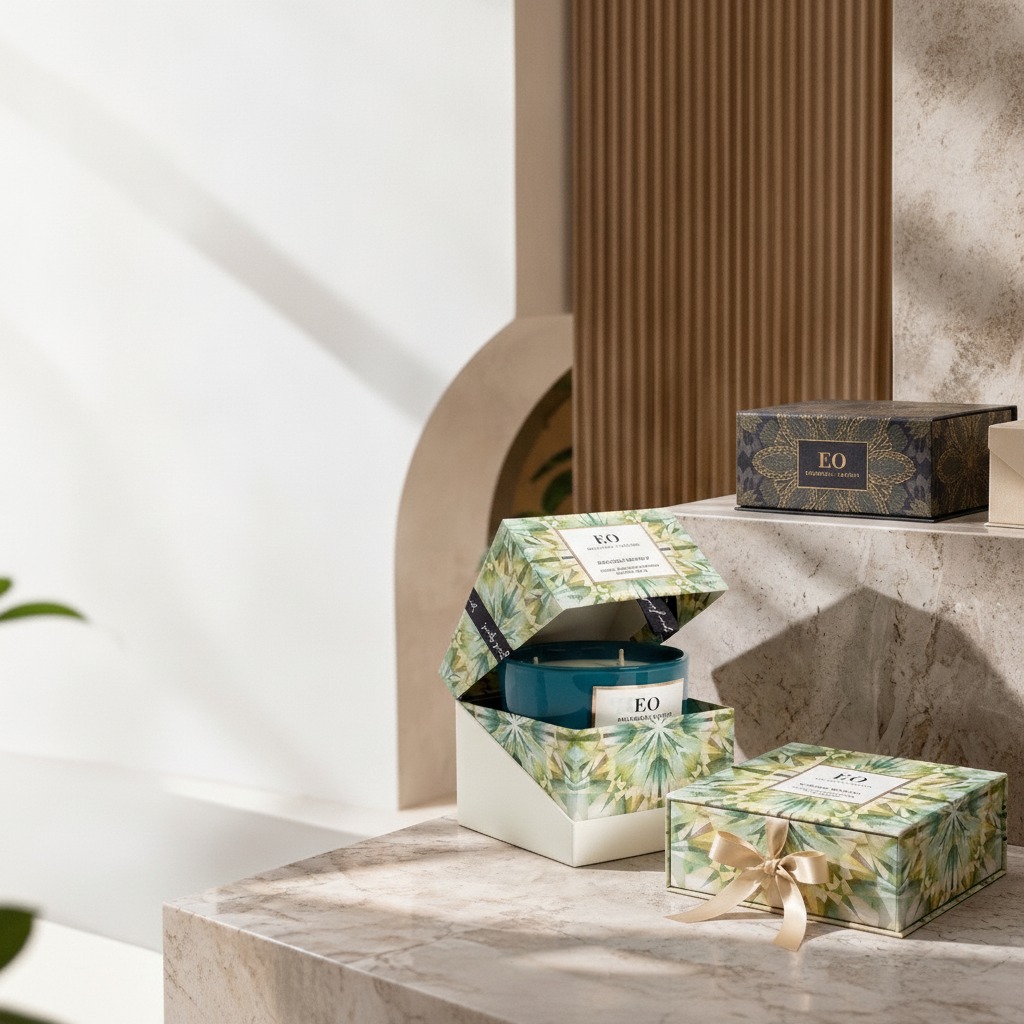
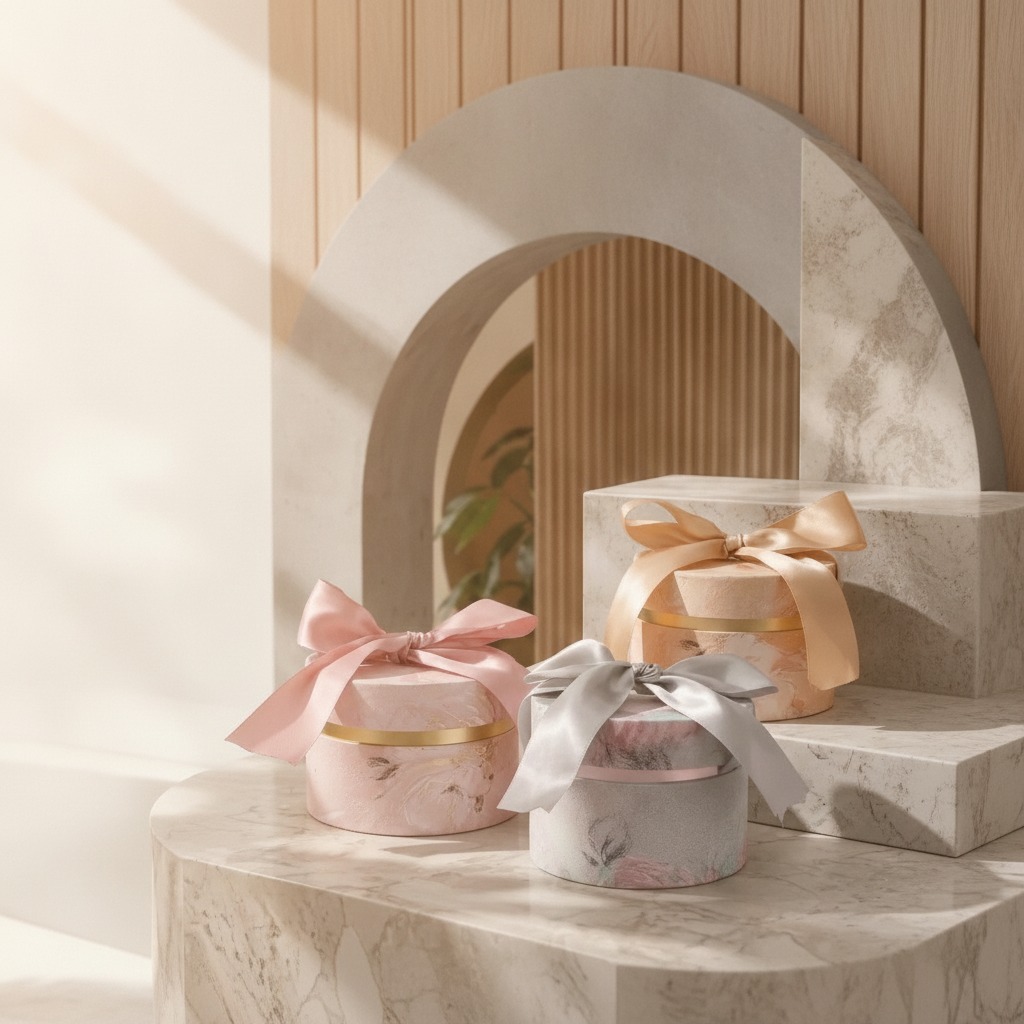
In fragrance lines where vessel geometry varies—such as a tall, slender flacon versus a wide, two-wick scented candle jar—box depths must be calculated with millimeter precision. A shallow base paired with a deep lid creates an airy unboxing ritual, whereas a matched base and lid provide a traditional silhouette. For larger presentations, such as a multi-item perfume gift box, incorporating a hinged lid anchored by a woven satin ribbon tie provides both mechanical restraint and a classic, boudoir-inspired unboxing cadence.
Surface Aesthetics: Foils, Geometry, and Texture
The visual impact of custom perfume boxes relies heavily on how print coatings interact with surrounding light. Rich jewel tones, deep navy blues, and jade greens benefit significantly from velvety soft-touch laminations, which simultaneously prevent scuffing and eliminate the harsh glare of retail spotlights.
Surface ornamentation demands careful technical decisions:
- Geometric and Botanical Facets: Intricate patterns that mirror crystal cuts or organic botanicals require tight registration on the press to prevent blurred convergences across wrapped corners.
- Metallic Detailing: Brands must weigh hot foil stamping against metallic spot inks. Foil provides a mirror-bright, tactile indentation that catches ambient store lighting, while metallic inks offer subtler shimmer across sprawling vector motifs like mandalas or crests.
- Brand Plate Application: Rather than printing typography directly onto busy full-bleed patterns, applying a crisp, uncoated or spot-varnished paper label to the front face creates an organized focal point for the product name.
Balancing Luxury Aesthetics with Material Sourcing
Modern fragrance buyers expect uncompromising opulence alongside environmental accountability. Sourcing certified paperboard—such as stock from FSC-certified forestry operations—has shifted from a secondary marketing point to a baseline supplier qualification. When commissioning a luxury perfume box, brands often need to confirm that both the outer wrap and the dense interior board come from responsibly managed pulp sources.
However, sustainability must not compromise structural rigidity. A hollow, lightweight wall undermines perceived value. Premium perfume houses prioritize board density, ensuring the assembled structure withstands international transport while maintaining its clean structural lines.
Practical Realities of Sourcing Empty Perfume Boxes
Procurement teams sourcing empty perfume boxes in bulk frequently run into functional pitfalls that originate early in the design stage. Keep these technical considerations at the forefront during sampling:
- Cavity Tolerances: Fragrance flacons and candle glass have inherent production tolerances; glass wall thickness can fluctuate slightly across batches. The internal insert—whether high-density EVA foam, wrapped thermoformed plastic, or engineered paper pulp—must accommodate these slight diameter variations without allowing the product to rattle.
- Closure Friction: A friction-fit telescope lid must release with a measured, smooth glide. If the inner air cannot escape steadily, the consumer struggles to pull the lid off; if the clearance is too wide, the base may drop out unexpectedly during handling.
- Ribbon Anchorage: When selecting ribbon closures, verify that the anchor points beneath the greyboard liner are thoroughly pressed and glued. A loose ribbon pull ruins the integrity of the unboxing experience on the first tug.
Evaluating Your Packaging Pipeline
Developing bespoke fragrance packaging requires collaborative coordination between structural engineers, graphic designers, and production facilities capable of delivering consistent finishing across high-volume runs. Before releasing final die-lines for tooling, request white structural mockups alongside calibrated press proofs to verify both the physical closure feel and the visual fidelity of your metallic details.
Ready to evaluate structural options for your next fragrance or candle launch? Contact our packaging engineering team with your primary container dimensions to request custom structural templates and material swatch samples.