Why the right perfume box does more than hold a bottle
A perfume box is not just outer packaging. For fragrance brands, it is often the first physical cue that tells a buyer whether the product feels like a sample, a gift, or a serious luxury item. That matters because fragrance is sold as much through mood and memory as through ingredients. If the package looks flimsy, the scent inside has to work harder to earn trust. If the package feels considered, the product starts with an advantage.
For sourcing teams and product developers, the decision is usually less about decoration and more about structure: will the box protect small glass vials, fit the brand’s visual language, and survive retail handling or shipping without looking tired? Those questions are especially important for sample sets, discovery kits, and PR mailers, where the box has to present one or two small bottles neatly and still feel premium.
What this type of packaging is typically used for
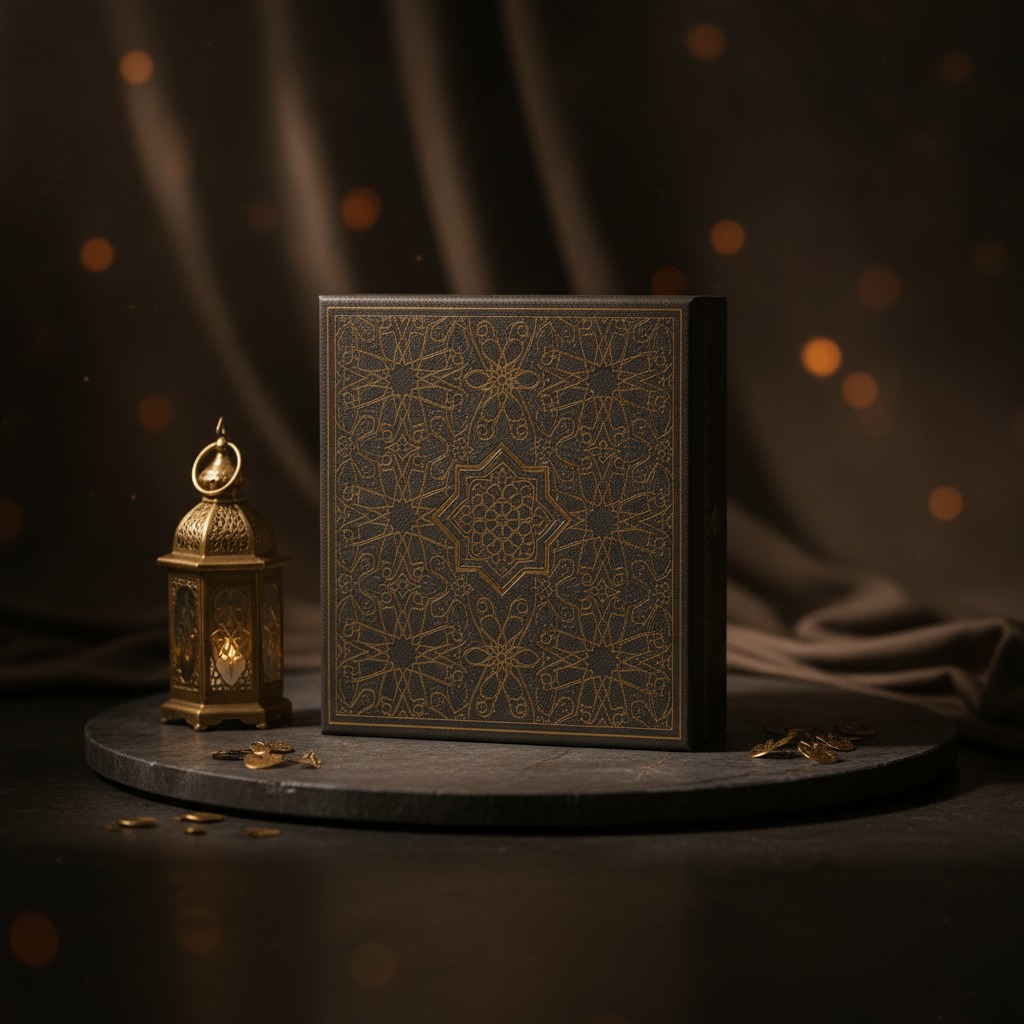
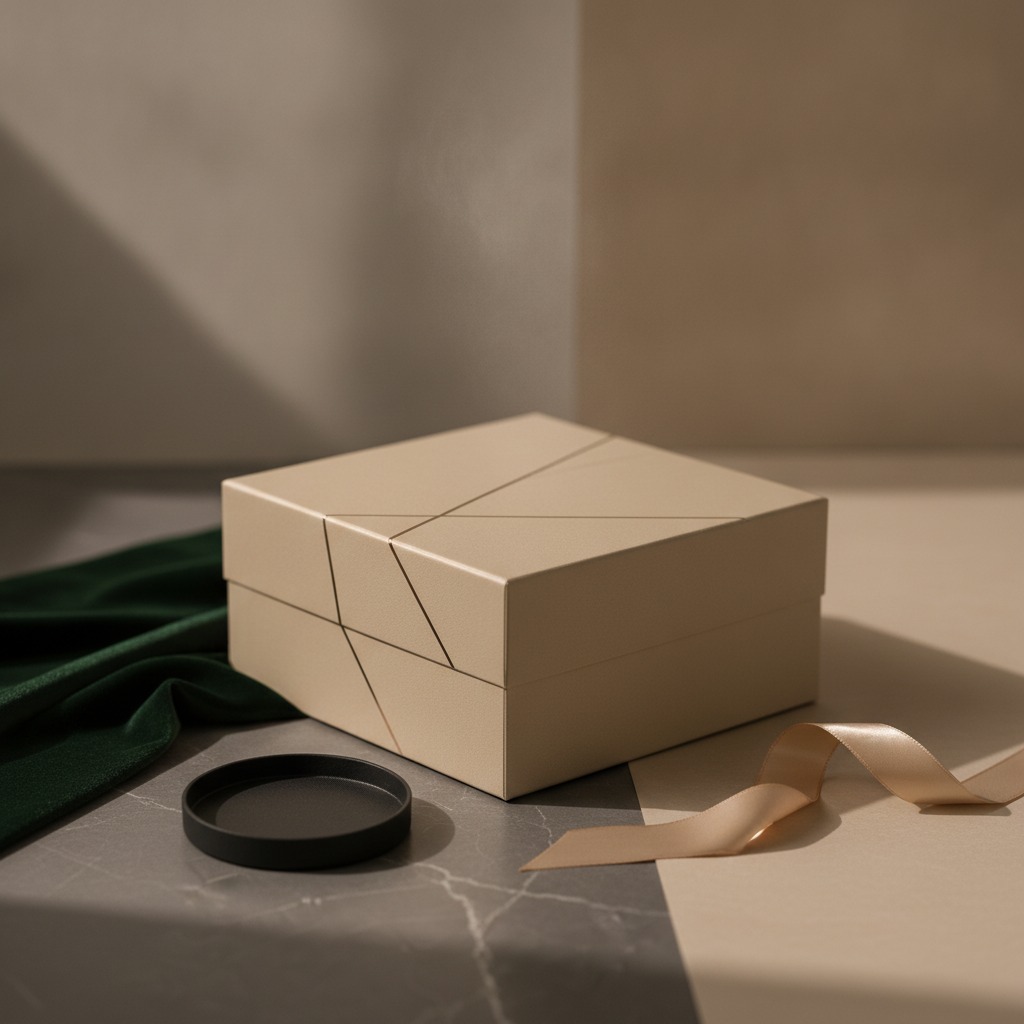
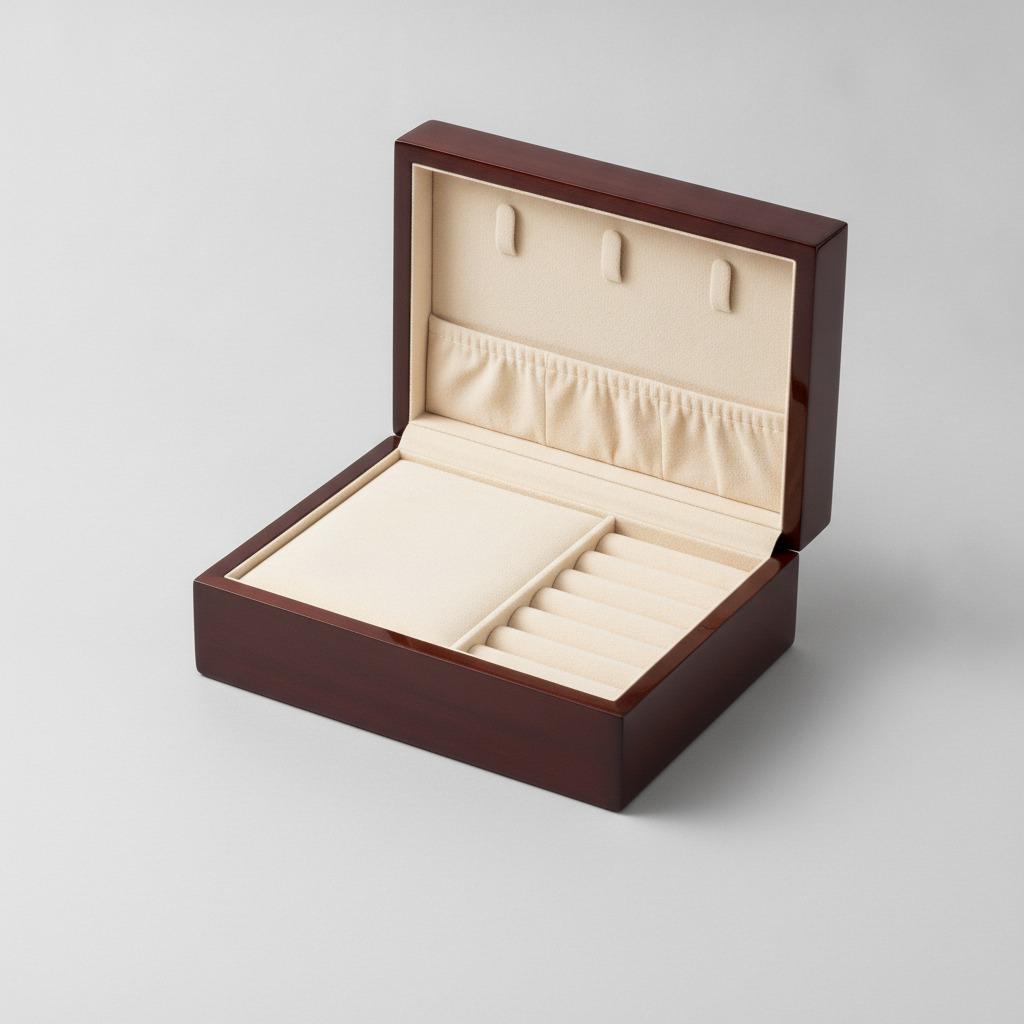
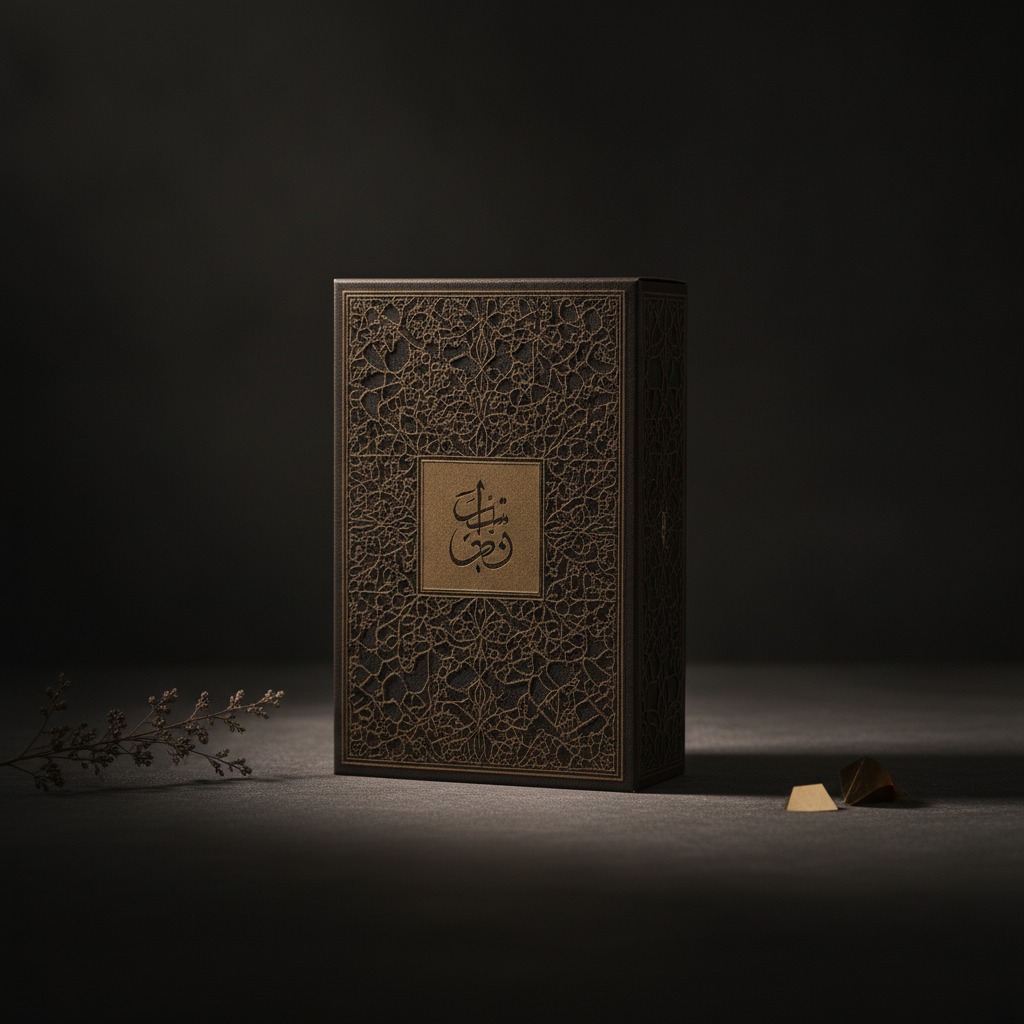
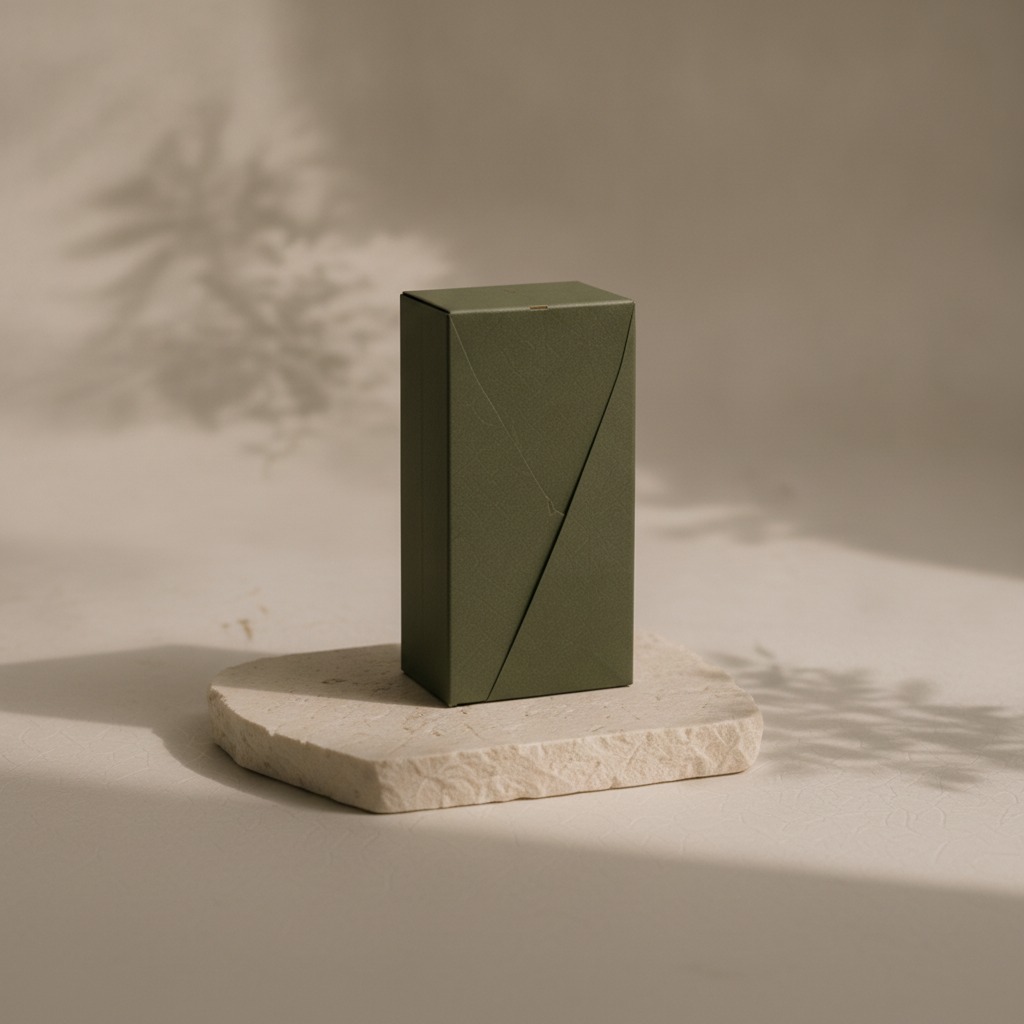
The product format here is a rigid paper gift packaging solution for perfume, fragrance sample sets, or small cosmetic bottles. In practical terms, it sits somewhere between a retail display box and a presentation case. The versions shown use rectangular rigid construction, with a matte paper exterior in shades such as ivory, olive green, beige, charcoal black, and dark brown. That kind of muted palette usually works well for fragrance because it avoids visual noise and lets the bottle label, logo, or closure detail carry the story.
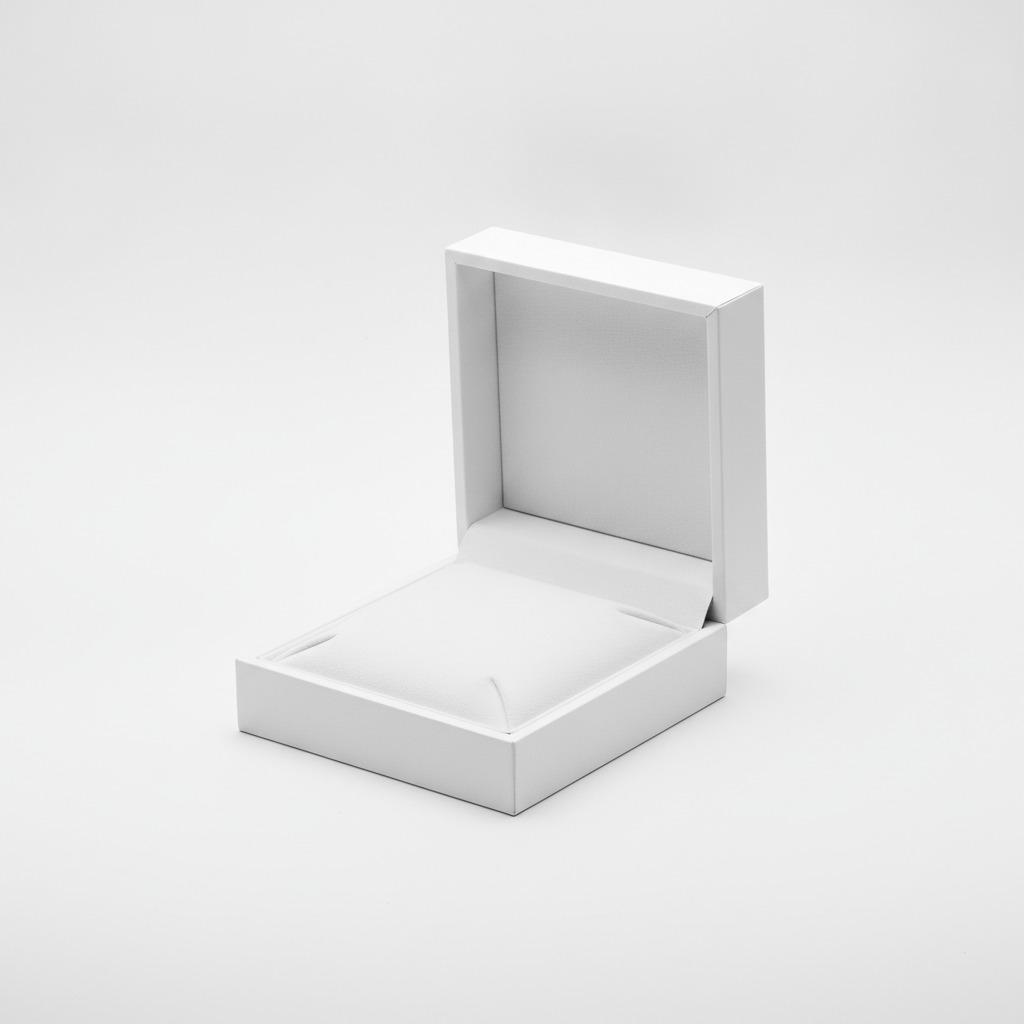
Some versions appear to be two-piece lift-off lid boxes. Others look like hinged or clamshell-style formats with a fold-over presentation feel. Either way, the goal is the same: open the package, reveal the bottles, and make the unboxing feel deliberate rather than improvised. A small thumb-notch or semi-circular opening can be useful here, especially when the insert fits tightly.
Key features buyers should look at first
If you are comparing a custom perfume box against a more generic cosmetic packaging box, start with these basics:
The insert should hold the vial or bottle securely without crushing the label or forcing the cap.
The structure should stay square, because rigid boxes lose their appeal quickly when corners soften.
The lid and opening mechanism should suit the intended use. A luxury perfume box for gifting can tolerate a slightly slower open, while a sample set for mailing needs easier access.
The exterior finish should match the brand tone. Matte paper tends to read calm and controlled; glossy surfaces push the look in a different direction.
One small but important practical point: if the box will travel through fulfillment or be handled often at retail, the insert becomes just as important as the outer shell. A beautiful shell with a weak insert is a disappointment in a hurry.
Rigid box construction versus folding formats
A folding perfume box can be useful when cost, storage space, or shipping volume are pressing concerns. Folding cartons are easier to store flat and can be efficient for larger runs. But they usually do not deliver the same shelf presence as rigid paperboard packaging.
By contrast, the rigid paper gift box format seen here keeps its shape and gives the product a more substantial feel. That makes it a strong fit for fragrance discovery sets, premium launches, and brand presentations where the packaging is part of the perceived value. It is not always the lightest or simplest choice, but it often makes the most sense when the box is meant to do more than just contain.
Design details that quietly change the buyer’s perception
Small visual cues matter. A diagonal embossed or decorative line across the lid, for example, can add a restrained sense of movement without turning the box loud or ornamental. Clean folded edges, subtle texture, and a well-fitted top flap all help the package feel composed.
In the images, some boxes also appear to use shredded paper filler or a molded/die-cut insert. That kind of interior treatment works well for sample kits and gift sets because it prevents the bottles from rattling and gives the contents a more curated presentation. It is a simple detail, but it tells the customer that the set was planned for display, not assembled as an afterthought.
How to choose the right format for your product
Start with the bottle size, then work backward. The box should support the product without oversized empty space, especially when you are packaging one or two small glass vials. Too much void can make the set feel cheap and may increase movement in transit. Too little space can make loading difficult and create stress on the cap or neck.
Next, decide what the box must accomplish:
If the set is for sampling, prioritize easy opening and secure retention.
If it is for retail gifting, prioritize presentation and finish.
If it is for mailers or PR kits, prioritize protection and insert stability.
Decoration choices should follow that decision, not lead it. Foil stamping, embossing, debossing, and printed graphics can all be effective, but only if they support the brand rather than crowd the surface.
Common mistakes brands make with perfume packaging
The most common mistake is treating the box as a late-stage add-on. By the time the bottle design is fixed, there is little room left for structure, and the result can be a box that looks elegant in a rendering but awkward in the hand.
Another mistake is over-specifying decoration while under-specifying the insert. Buyers remember rattling, crushed corners, and bottles that sit crooked. They do not remember how ambitious the foil pattern was if the package arrives looking tired.
A third issue is choosing a luxury finish for a sampling job that needs speed and simplicity. A cosmetic packaging box can be visually refined without becoming complicated. The best packaging is the one that matches the actual use case.
Practical buyer advice before you request samples
When you speak with a packaging supplier, ask for structure details, closure options, and insert style first. Then discuss finish, color, and branding. If the supplier can show a sample perfume packaging box with a similar bottle count or cavity arrangement, that will usually tell you more than a polished mockup.
For new launches, it is also smart to test how the box opens when held in one hand. Fragrance packaging is often photographed, gifted, and opened in front of others. A box that opens awkwardly can undermine a premium product faster than people expect.
Where this packaging format fits best
This style of perfume box is a strong fit for fragrance discovery sets, essential oil sets, luxury sampling programs, and small cosmetic gift kits. It has enough structure to feel retail-ready, yet enough flexibility to serve launch campaigns and brand mailers. For teams trying to make a small bottle feel like a complete experience, that combination is hard to beat.
If you are planning a new fragrance line or refreshing an existing presentation box, start by defining the bottle dimensions, the number of vials, and the customer moment you want to create. From there, the box design becomes much easier to judge—and much harder to get wrong.