Why a Classic White PU Leather Watch Box Still Matters in Packaging
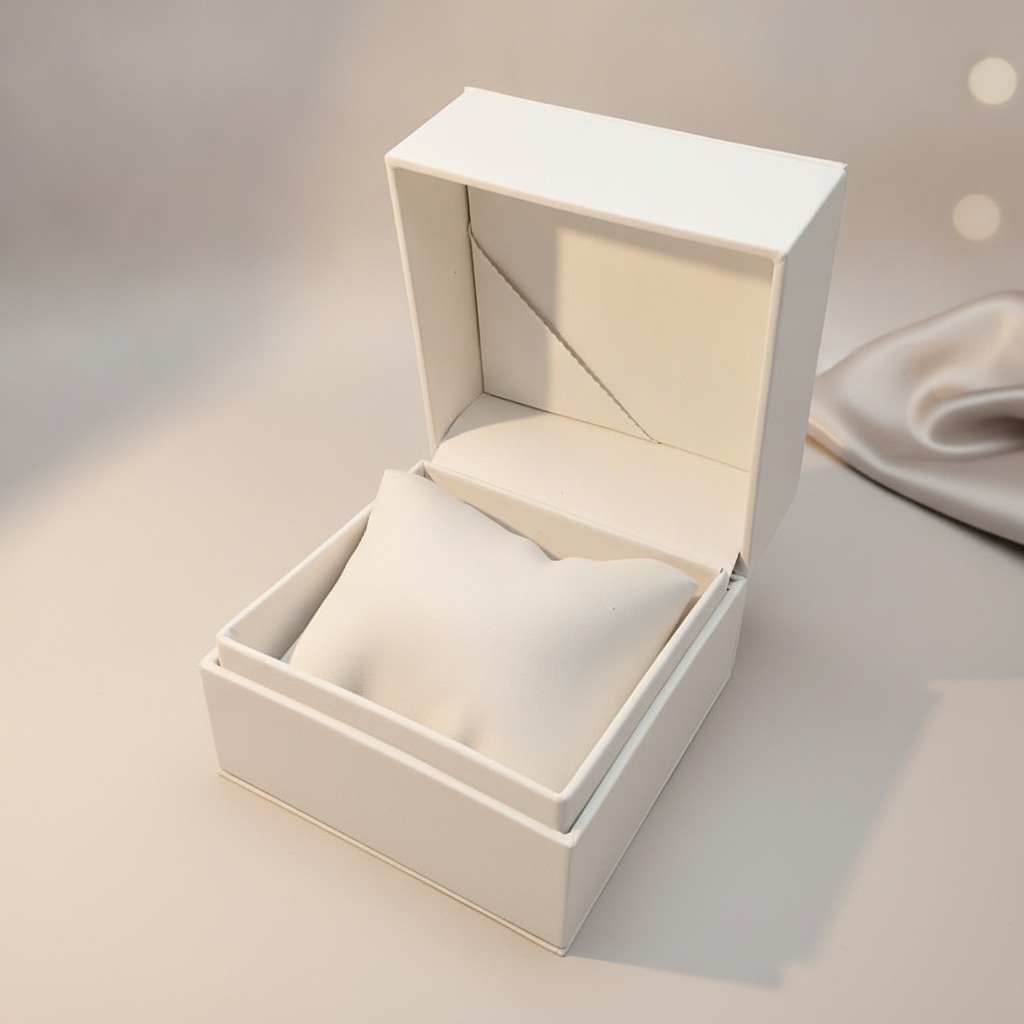
The Classic White PU Leather Watch Box sits in an interesting place in packaging: it is plain enough to disappear in a busy retail setting, yet structured enough to make a product feel considered. For sourcing managers and product teams, that balance matters. A watch box is not just a container. It protects the item, supports the presentation, and quietly tells the buyer whether the brand thinks in terms of value or just transit.
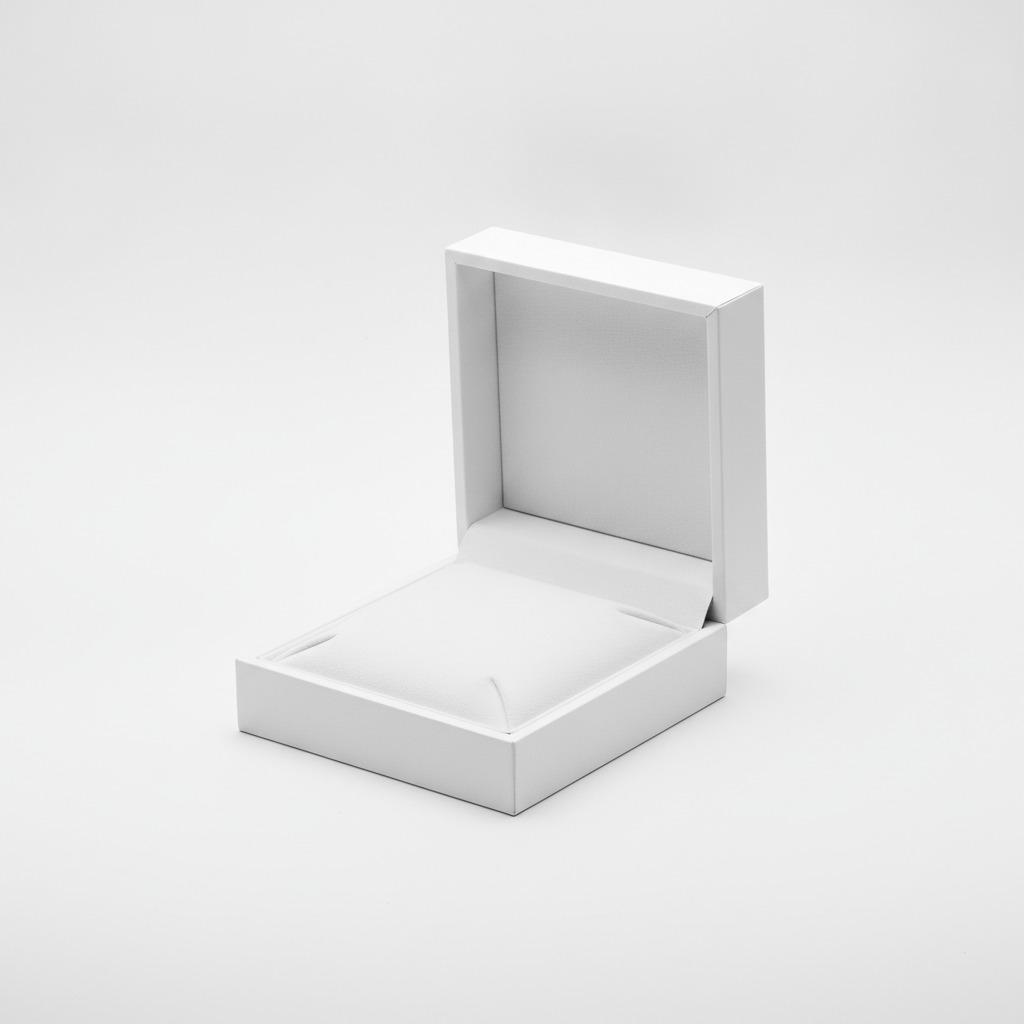
The version described here is a rigid folding paperboard presentation box with a hinged lid, a deep base, and a fitted white insert. That combination points to a package designed for display and protection rather than bulk shipping. The exterior appears to be white coated paperboard or cardstock with a matte to lightly coated finish, which gives the box a clean look and a surface that is usually more brand-friendly than glossy packaging. White can feel simple, but in packaging, simple often means flexible.
What Buyers Are Really Evaluating
When teams compare presentation boxes, they are usually making three decisions at once: how well the box protects the item, how it looks on shelf or in hand, and how efficiently it can be produced. A classic white rigid box tends to score well on all three, provided the structure is sound and the insert holds the product securely.
That insert is not a minor detail. Whether it is foam, paper pulp, or a wrapped pad, the internal support helps prevent movement, scuffing, and the awkward “rattle” effect that cheapens the unboxing experience. For watches, jewelry, and other small accessories, a secure fit matters almost more than the outer shell. Buyers often focus on the lid finish or print area, then discover later that the inside does the actual work.
Structure, Materials, and the Practical Appeal of White
The box described here appears to use rigid paperboard construction with a die-cut, scored, folded, and glued assembly process. That is a common and sensible approach for presentation packaging because it creates a firm feel without requiring bulky corrugated material. The hinged lid format also reduces the chance of a lost top, which is useful in retail and gift applications.
White has its own commercial advantages. It reads as neutral, clean, and easy to customize. Brands can add a printed logo, foil accent, label, or sleeve without fighting the background color. In some categories, white also signals premium minimalism. In others, it simply gives the sourcing team a safer base when the final decoration is still undecided.
A small caution: white packaging shows handling marks more easily than darker finishes. If the box will move through multiple hands before sale, the surface treatment and board quality deserve more attention than they sometimes get in early sampling.