If you audit the sales floor of an independent jeweler or evaluate customer return rates in online fine jewelry, one reality becomes clear quickly: the jewelry box package is never just a transport container. It is the visual pedestal and the first physical touchpoint for an emotional transaction that often costs hundreds or thousands of dollars. Yet all too often, merchandising teams budget heavily for precious metals and stone certification, only to pack the finished piece into a flat, generic paperboard cube. That mismatch cheapens the product at the exact moment a buyer opens the lid.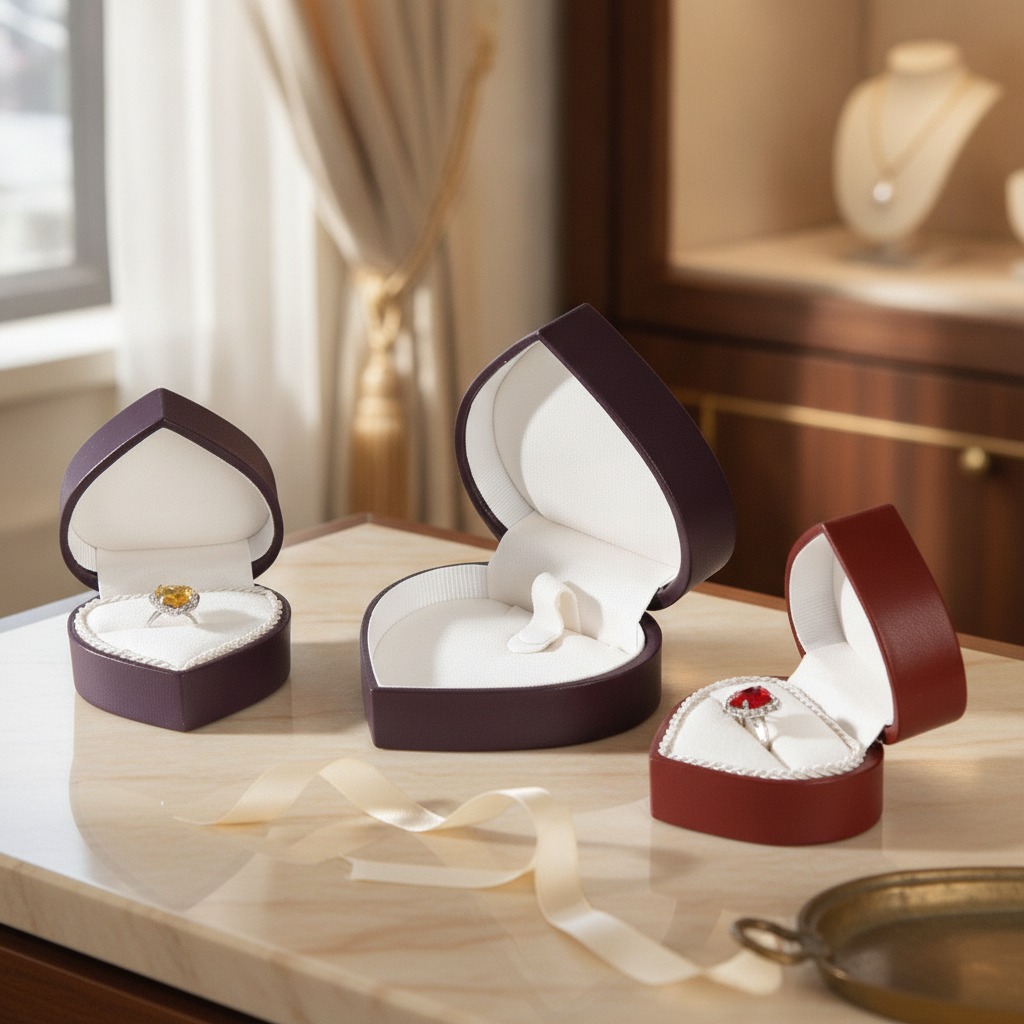
Investing in a dedicated, structural presentation box—particularly for solitary high-ticket pieces like engagement bands, wedding rings, or commemorative gifts—is one of the most reliable ways to reinforce retail value and protect margin at the point of sale. When a ring sits upright inside a tailored, contoured case, the packaging stops being an overhead cost and starts doing the work of a silent salesperson.
The Strategic Failure of Generic Packaging
Most commodity jewelry boxes are designed for logistics convenience, not presentation dynamics. They are square, lightweight, and flat-packed. While they keep shipping freight manageable, they completely fail at theater.
Fine jewelry purchases—especially rings—are inherently theatrical. Whether a customer is planning a private proposal or presenting an anniversary gift across a dinner table, the experience hinges on a mechanical reveal. If the box lid feels flimsy, or if the ring flops sideways in an oversized foam cutout, the perceived value of the gemstone drops instantly.
A dedicated hinged jewelry box package with a sculpted profile—such as a teardrop or rounded heart geometry—solves this problem by establishing immediate physical weight. The curve of the box naturally guides the presenter’s hand, the integrated rear hinge provides controlled resistance during the opening motion, and the cushioned interior immediately directs the viewer’s eye down to the center stone.
Anatomy of a High-Impact Presentation Box
When specifying presentation packaging for fine jewelry, small structural decisions determine whether a box looks bespoke or mass-produced. Based on production runs across the luxury retail sector, three architectural elements require close scrutiny:
1. Exterior Substrate and Shell Contours
Standard rectangular boxes are easy to wrap, but they look industrial. Contoured silhouettes—such as teardrop or rounded-heart forms—introduce compound curves that demand higher precision during shell assembly. Whether the underlying core uses a molded polymer or a formed rigid board, the exterior wrapping must be pulled and glued without puckering along the radiused edges. Deep, saturated exterior coverings in synthetic leather, leatherette, or coated textiles—particularly rich tones like dark burgundy, aubergine, or deep reddish-brown—lend a classic, heirloom aesthetic that paper wraps cannot duplicate.
2. The Ring Insert: Slit vs. Folded Cushion
How the ring is oriented upon opening is critical. Flat die-cut foam pads with horizontal knife-cuts often fail; they either grip thin shanks too tightly (causing the band to buckle the pad) or let heavy signet rings pitch forward. A quality presentation box utilizes a raised, cushioned insert with a dedicated central slot or folded fabric holder. This configuration cradles the band while maintaining the stone at a slight upward tilt toward the viewer, maximizing light refraction from ambient room lighting.
3. Interior Linings and Contrast Detailing
Dark exterior cases call for contrasting, light-toned interiors. Linings in cream, ivory, or soft white velvet and satin-like fabrics create an illuminated backdrop that makes yellow gold, platinum, and diamonds stand out. Pay attention to perimeter finishing: premium packaging often incorporates fine piped or stitched detailing around the rim of the interior base. It is a minor manufacturing step, but it cleanly masks the seam where the inner insert meets the outer wall, signaling craftsmanship to an observant buyer.
Critical Sourcing Checks for Packaging Buyers
When transitioning your brand from stock cartons to a custom presentation jewelry box package, your quality control checklist needs to shift from standard print verification to mechanical inspection.
First, inspect hinge tension. An integrated rear hinge must hold the lid securely at an open angle (typically between 90 and 110 degrees) without snapping shut or wobbling side-to-side. If the hinge relies solely on a paper or fabric bridge without an internal spring or metal mechanism, it will fatigue after only a few dozen cycles.
Second, test your adhesive profiles. Because presentation boxes combine rigid shells, dense interior foams, and synthetic textile covers, manufacturers rely heavily on specialty adhesives. If these glues are poorly cured, they can off-gas inside sealed inventory cartons. In worst-case scenarios, trapped chemical vapors can tarnish sensitive silver alloys or degrade surface coatings over time. Always request unlined production samples and run closed-box dwell tests before signing off on volume shipments.
Finally, check the tolerance of the ring holder against your actual product catalog. A holder engineered strictly for a delicate 1.5 mm solitaire band will tear or warp if your sales team tries to wedge a 6 mm men’s wedding band into it. If your line spans multiple shank widths, verify whether your supplier offers tiered insert depths or universal tension folds.
Frequently Asked Questions
Can these presentation boxes be used for display cases as well as packaging?
Yes. Because the lid remains fixed in an upright position when opened, these units serve double duty as counter display risers. Jewelers frequently use open boxes directly in lighted glass showcases to highlight limited-run or premium bridal pieces, eliminating the need to transfer items into separate merchandising trays at the end of the day.
What exterior colors work best for bridal collections?
While black and navy are traditional baseline options, richer jewel tones such as deep burgundy, dark plum, and warm reddish-brown have gained significant ground. These shades evoke antique leather cases, provide strong contrast against white bridal gowns or gift wrap, and pair naturally with both warm gold and cool platinum settings.
Upgrade Your Unboxing Standard
If your jewelry line is competing on craftsmanship, your packaging cannot afford to look like a commodity afterthought. Transitioning to a structured, hinged jewelry box package reinforces your brand’s attention to detail long after the sale is finalized. Review your current presentation margins, evaluate how your rings sit under display lighting, and consider how a contoured, textile-wrapped presentation case could transform your customer’s emotional experience.