How to choose necklace box: start with the job the package has to do
When buyers ask how to choose necklace box options for retail, gifting, or shipping, they usually are not really asking about color first. They are trying to solve a practical packaging problem: how to keep a small piece of jewelry protected, presentable, and easy to hand over without making the item feel cheap. A necklace box has to do several jobs at once. It must hold the chain in place, prevent surface wear, support the pendant, and create a clean first impression the moment the lid opens.
That sounds simple until you start comparing box styles. A soft pouch may be fine for short-term storage, but it does little for presentation. A flimsy carton can look tidy on a shelf, yet it may crush in transit. A rigid presentation box, by contrast, gives the buyer a stronger sense of value and usually handles retail counter display or gift use much better. For a small necklace or pendant, that difference matters.
What a good necklace presentation box should accomplish
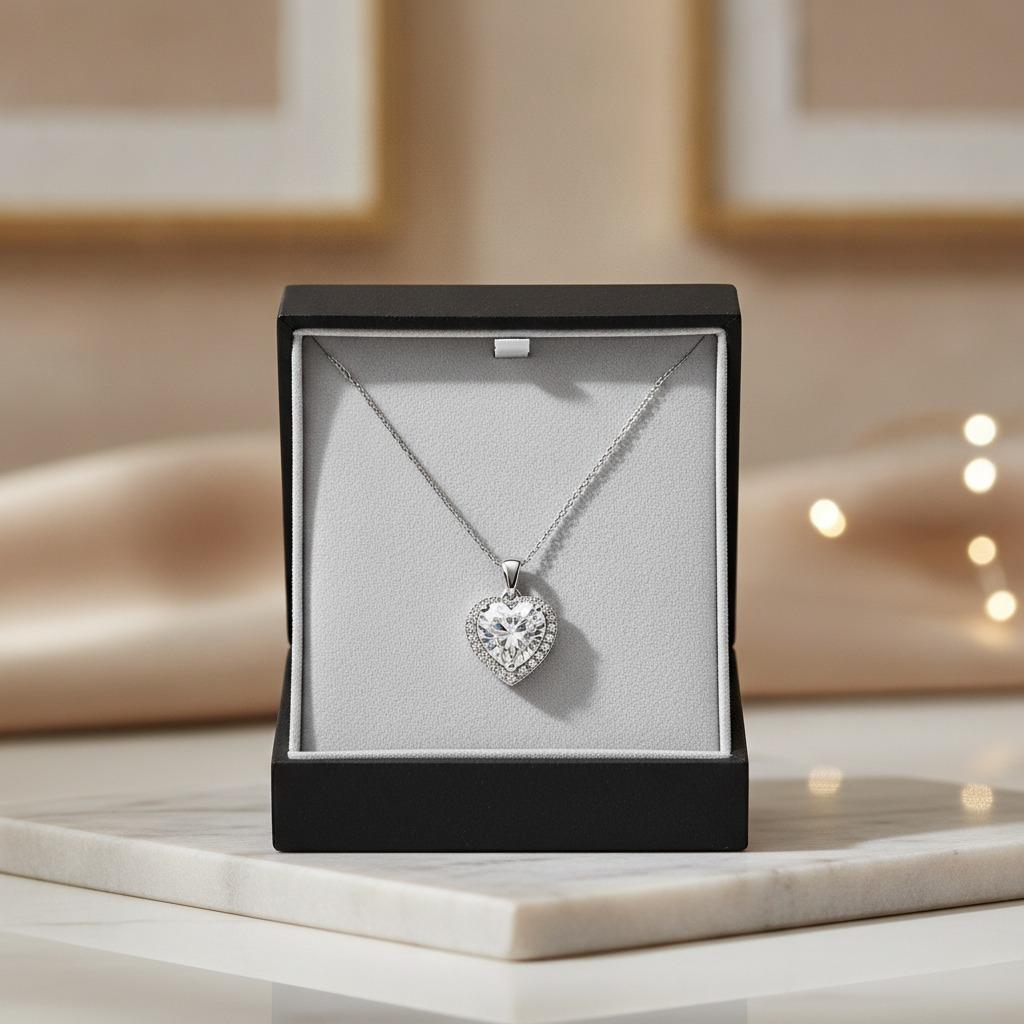
In a commercial setting, the box is part of the product experience. Jewelers, online sellers, and gift packers tend to look for three things: protection, fit, and presentation. The rigid rectangular style described here is a good example of that balance. It has a structured outer shell, a hinged lid that opens wide, and a cushioned insert with a slot or retainer to keep the necklace centered. The interior is soft enough to reduce scratching and movement, which is especially important when the chain is delicate or the pendant has a polished surface.
The square profile and deep tray base also help the box feel substantial in hand. That is not a decorative extra. Rigid packaging resists bending better than light folding cartons, so it is better suited to premium retail counters, proposal packaging, and shipment of individual jewelry items. If the necklace is part of a branded assortment, that sturdier format often supports a higher perceived value.
Compare the common box styles before you commit
Not every necklace needs the same packaging. Buyers should match the box to the actual use case rather than the catalog photo. A low-cost chain sold in volume may only need compact packaging that keeps costs down. A commemorative pendant or bridal gift usually calls for something more refined. A proposal box, meanwhile, may need a controlled opening angle and a carefully placed insert so the necklace is visible immediately.
Rigid presentation box
This is the style most often chosen for premium necklace packaging. It offers a structured exterior, a fitted insert, and better resistance to handling damage. The black or charcoal wrapped finish with a matte look is common because it reads as clean and restrained, though lighter colors are also used in the market. The tradeoff is cost and bulk; rigid boxes take more material and occupy more shipping space.
Folding carton or paper box
This option is lighter and easier to ship in volume. It can work for entry-level jewelry or e-commerce inserts, but it usually lacks the substantial feel of a rigid box. If the necklace is expensive or emotionally significant, a folding carton can feel underbuilt unless it is paired with excellent print and insert design.
Soft pouch or bag
Useful for storage and very short handling cycles, but not ideal when you need display impact. Buyers sometimes underestimate how much the opening moment affects customer perception. A pouch protects, but it does not stage the product.
Selection criteria that matter more than color
Color gets attention, but fit is where most packaging choices succeed or fail. The insert needs to match the necklace size and chain length. If the recess is too shallow, the chain can shift. If the anchor point is poorly placed, the pendant may sit off-center or tangle during closure. In the box described here, the visible chain slot and neck-shaped insert suggest a design intended to keep a single necklace arranged neatly rather than floating loose inside the cavity.
Material feel is another practical issue. A velvet, suede-like, or flocked interior helps reduce abrasion, especially for polished metals and finished pendants. The outer wrap should also be considered in the context of branding. A textured black exterior tends to signal formality and works well for luxury, bridal, or memorial packaging. But some brands may prefer brighter finishes or custom printed wraps to align with a stronger retail identity.
Then there is the question of closure and opening behavior. Even if the exact closing mechanism is not visible, the hinge style should allow the lid to open smoothly and stay open at a useful angle. If the presentation moment matters, the box should not flop backward or require awkward adjustment on the counter.
Common buying mistakes
One frequent mistake is choosing a box that looks elegant but does not secure the chain. Another is overlooking shipping conditions. A beautiful necklace box that scuffs easily or crushes in cartons can create returns and complaints. Buyers also sometimes order a box intended for rings or earrings and try to adapt it for a necklace; that rarely works well because the insert geometry is wrong.
It is also worth being cautious about assuming all soft interiors are equal. A plush look does not always mean better retention. The insert has to hold the jewelry in place, not just surround it. For retailers handling multiple SKUs, a slightly more engineered insert can save time at packing stations and reduce rework from tangled chains.
Practical advice for sourcing teams and jewelers
Before ordering, ask for samples and test them with the actual necklace styles you plan to pack. Check how the pendant sits, whether the chain stays centered, and how the box behaves after repeated opening. If you sell online, also think about outer mailer compatibility. A rigid necklace box often needs a secondary shipping layer to protect the corners and lid during transit.
If branding is important, confirm whether the supplier can support custom wrapping, logo placement, or insert customization. If the project is for boutique sales or commemorative gifting, small changes to color, texture, or insert layout can make a larger difference than buyers expect. And if you are sourcing for a mixed jewelry line, do not assume one necklace box design will serve everything. Pendants, chains, and statement necklaces can each need slightly different support.
Quick buyer takeaway
Choose the box based on the necklace’s weight, value, and presentation setting. For a single small necklace or pendant, a rigid presentation box with a soft fitted insert is often the safest commercial choice because it protects the piece and elevates the unboxing moment. The right decision is usually less about visual flair and more about whether the box keeps the jewelry centered, protected, and ready to impress.
What to request from a supplier
Ask for sample dimensions, insert details, finish options, and closure behavior. If customization matters, request examples of prior packaging styles or print methods rather than relying on a description alone. For buyers comparing necklace packaging across suppliers, a direct side-by-side sample test is still the most reliable way to see which box actually works in hand.